



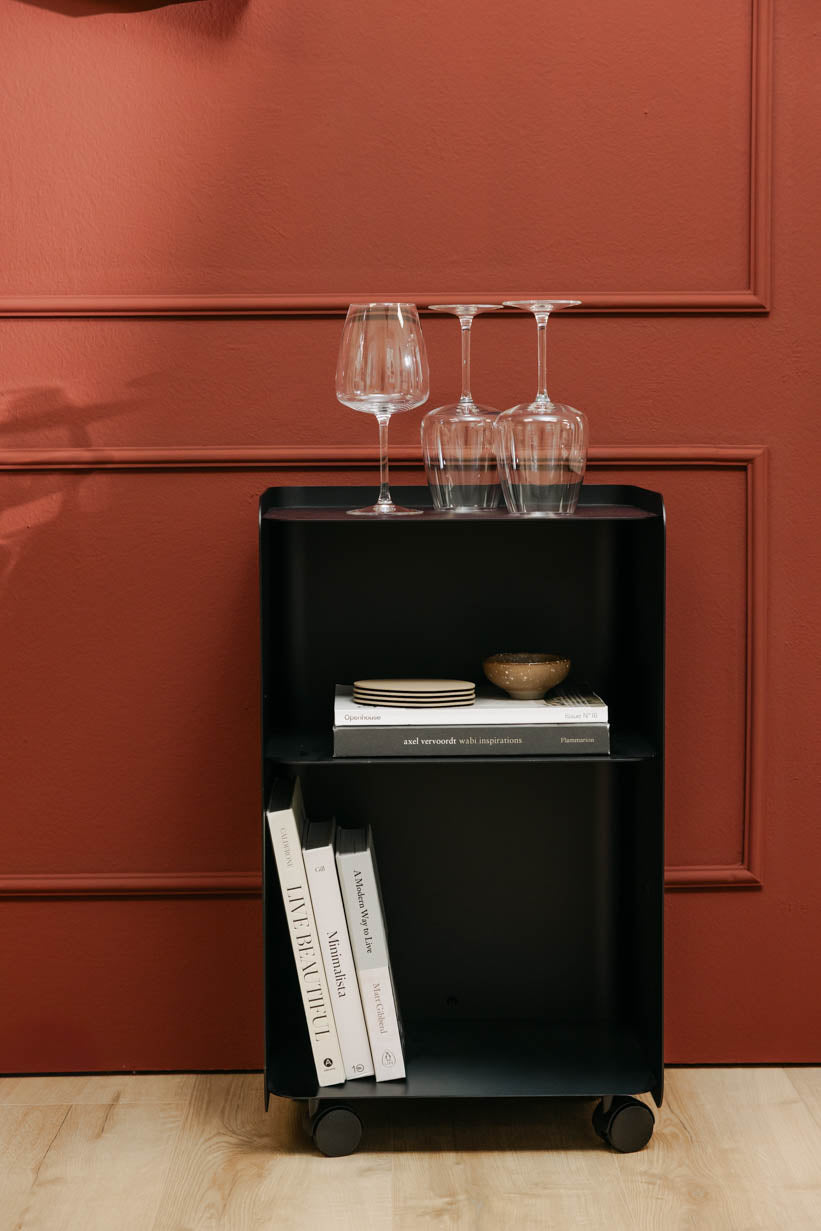
Tone-on-tone or contrast – which looks better?
The color scheme in the living room significantly influences how harmonious, cozy, or exciting the room appears. Especially when furnishing with modern furniture – such as metal pieces – the question often arises: should one opt for tone-on-tone colors or rather create contrasts? Both approaches have their advantages, and with the right concept, a stylish, well-thought-out living room can be designed.
Harmonious or exciting? Color concepts for your living room explained
The choice of color concept strongly depends on the effect you want to create in the room. A tone-on-tone design appears calm, elegant, and balanced, while contrasts create dynamism, depth, and visual tension. Before you decide, it's helpful to consider the size of the room, the light, and the furniture. Large, bright rooms can handle strong contrasts, while small rooms often benefit from harmonious color combinations.

Tone on tone: Calm, elegance, and harmony
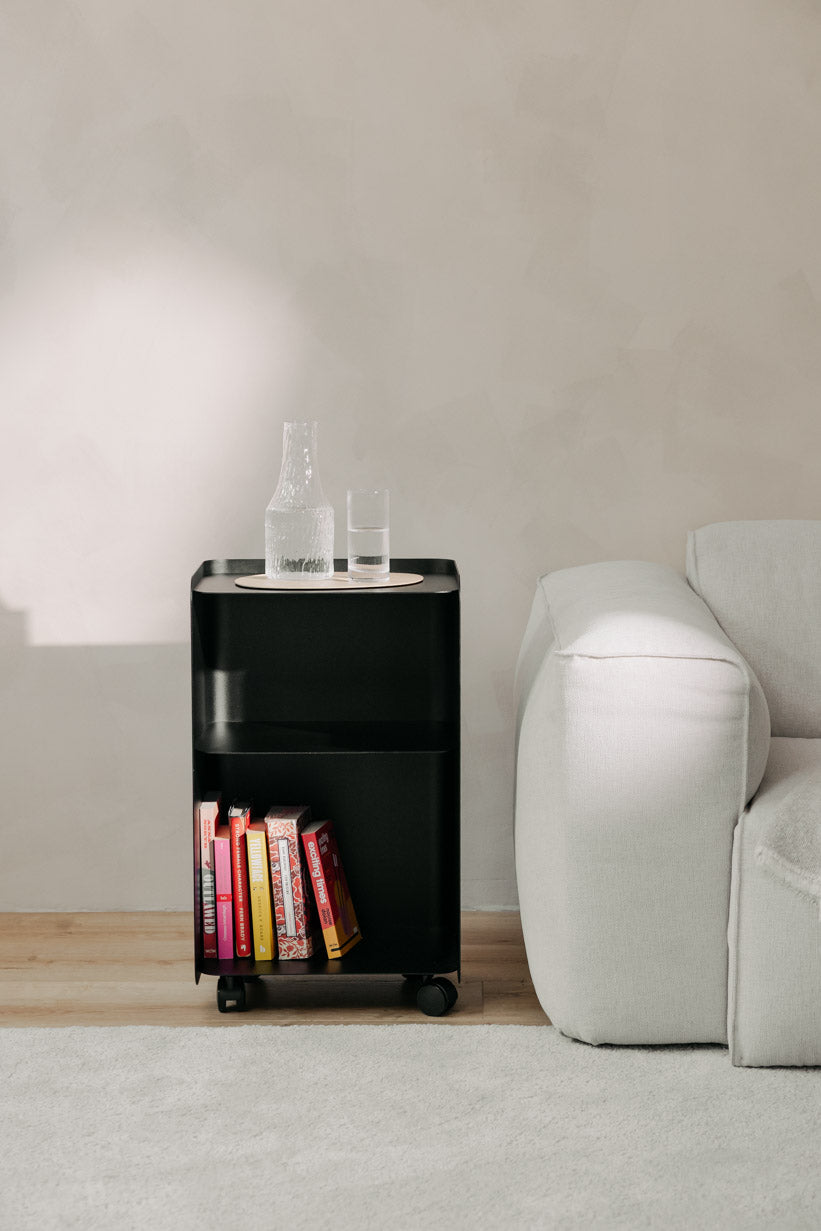
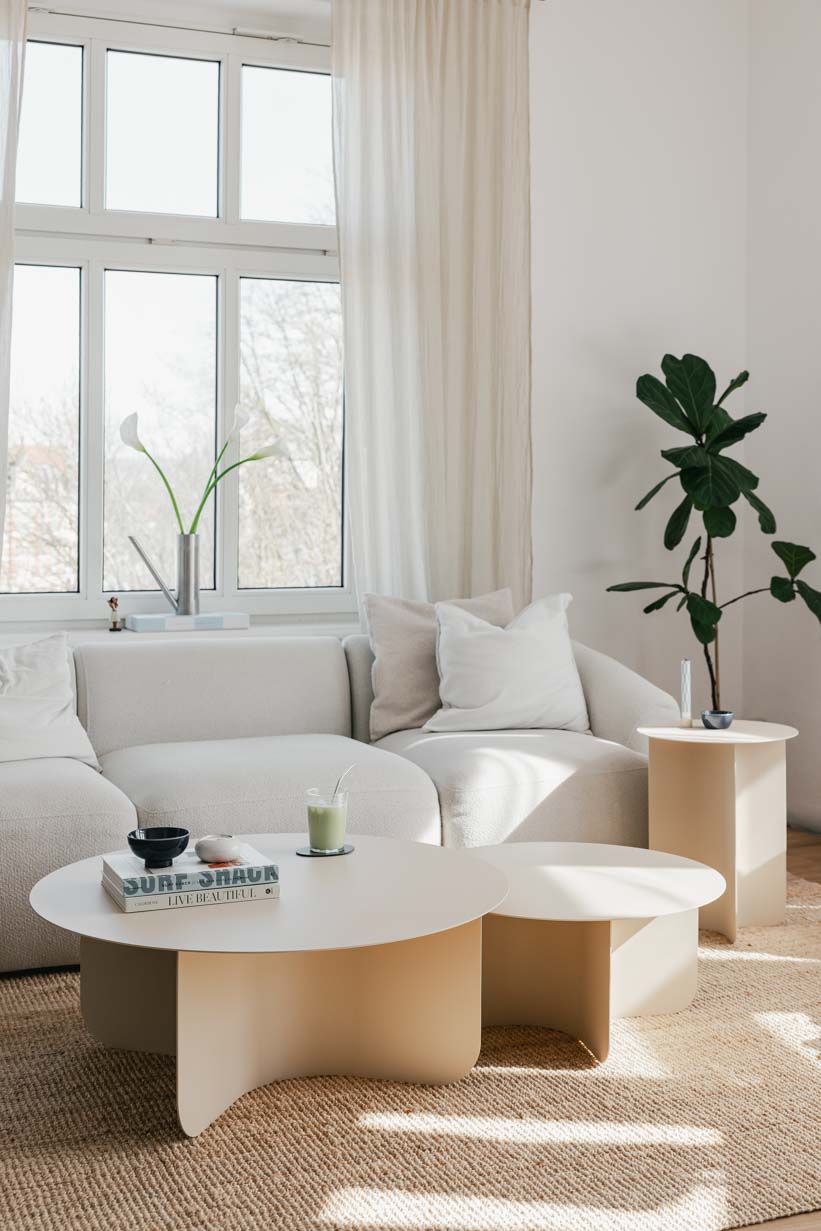
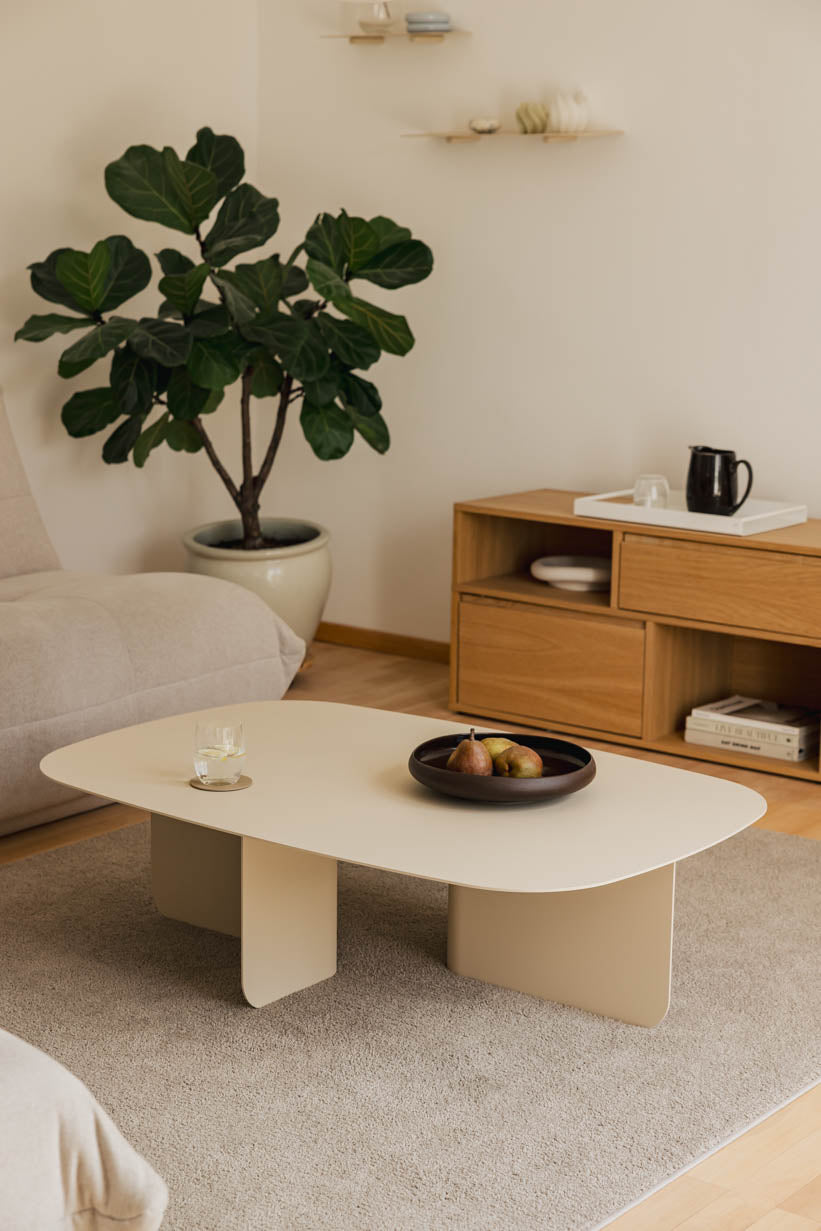
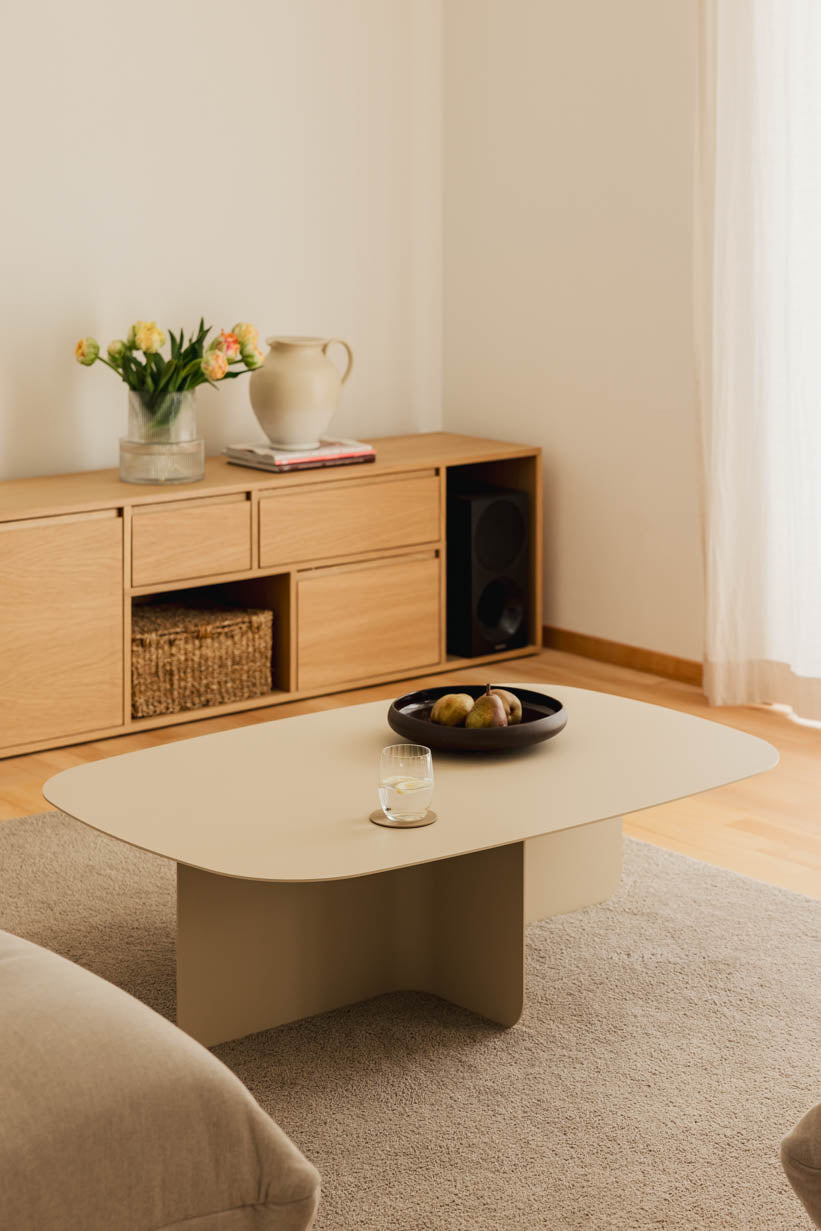
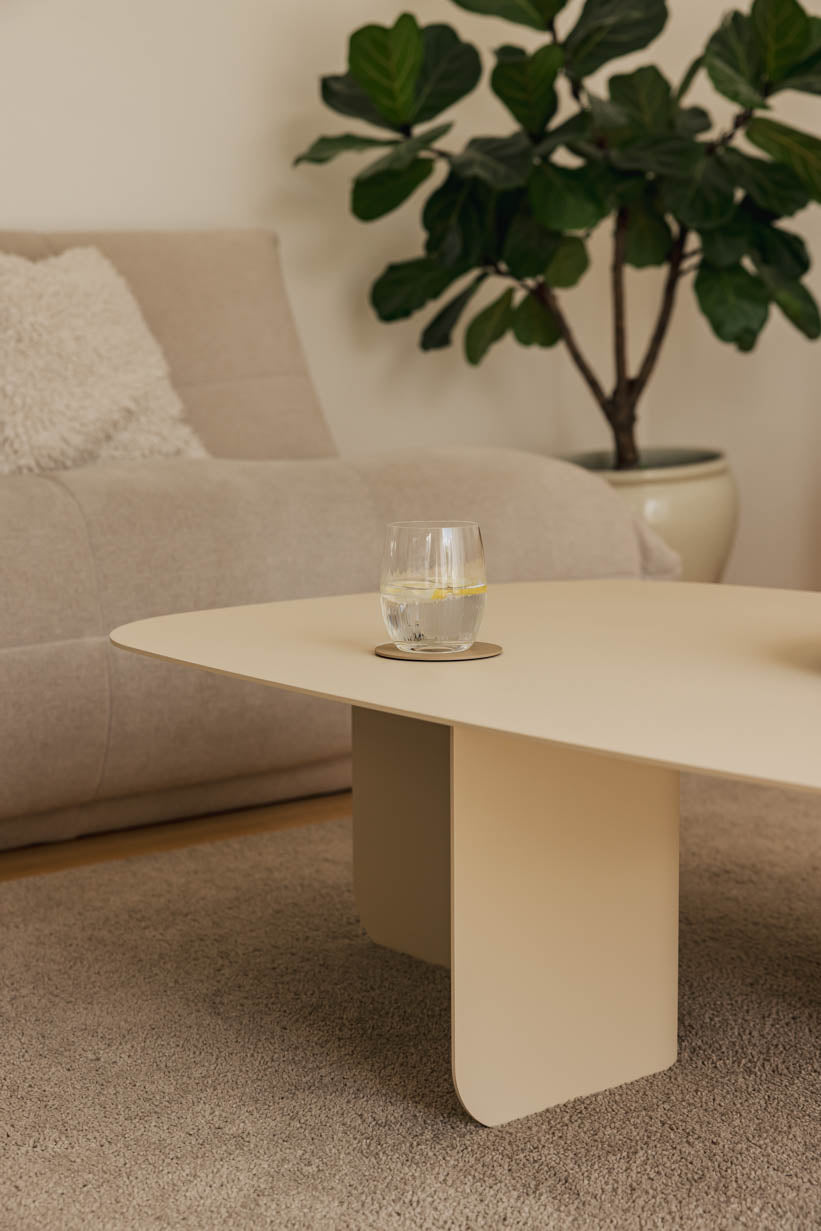
A tone-on-tone concept works with different nuances of one color. For example, various shades of gray combined with silver or black metal furniture create a noble, calming atmosphere. Light beige tones or pastel colors can also be harmoniously graduated and appear particularly modern when complemented by natural materials such as wood, wool, or linen. The advantage of this approach: the room looks tidy and elegant, the eye is not overwhelmed, and the furnishing gets a clear, stylish line.

Contrast: Tension and dynamism in the room
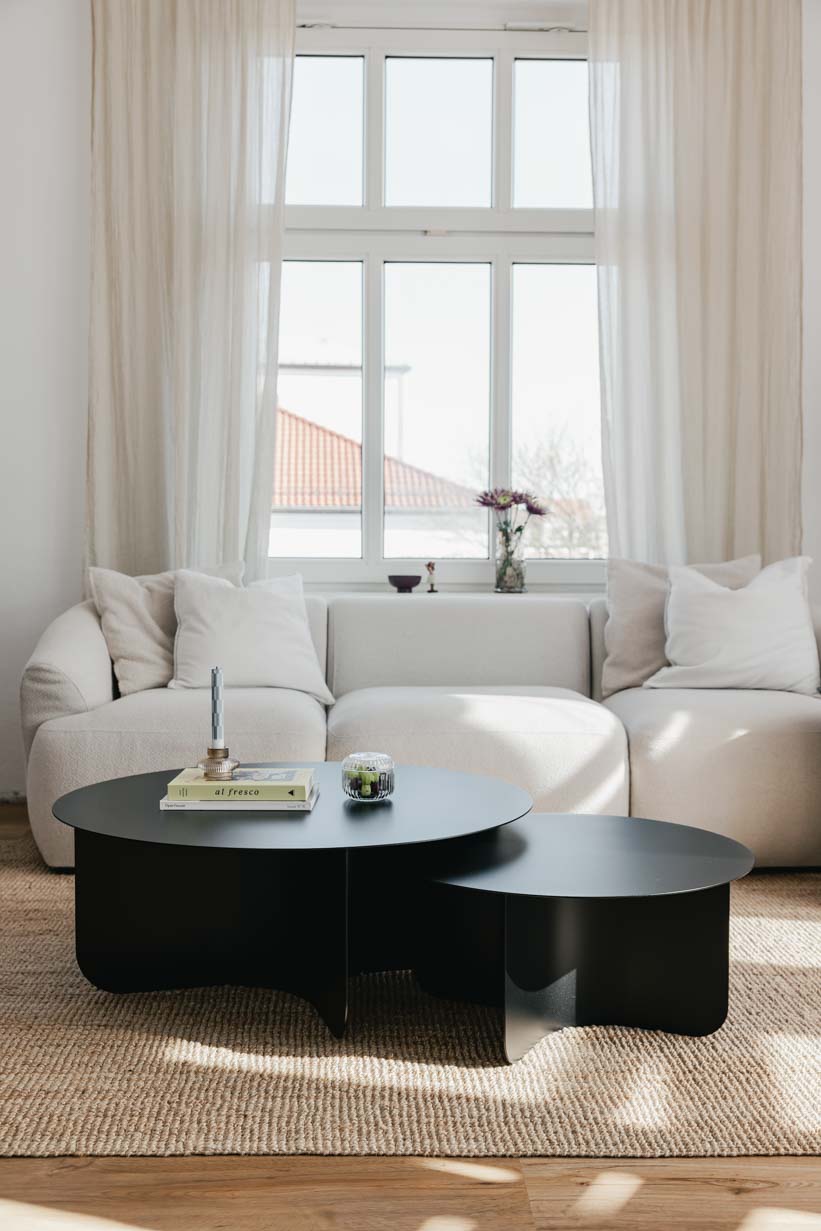
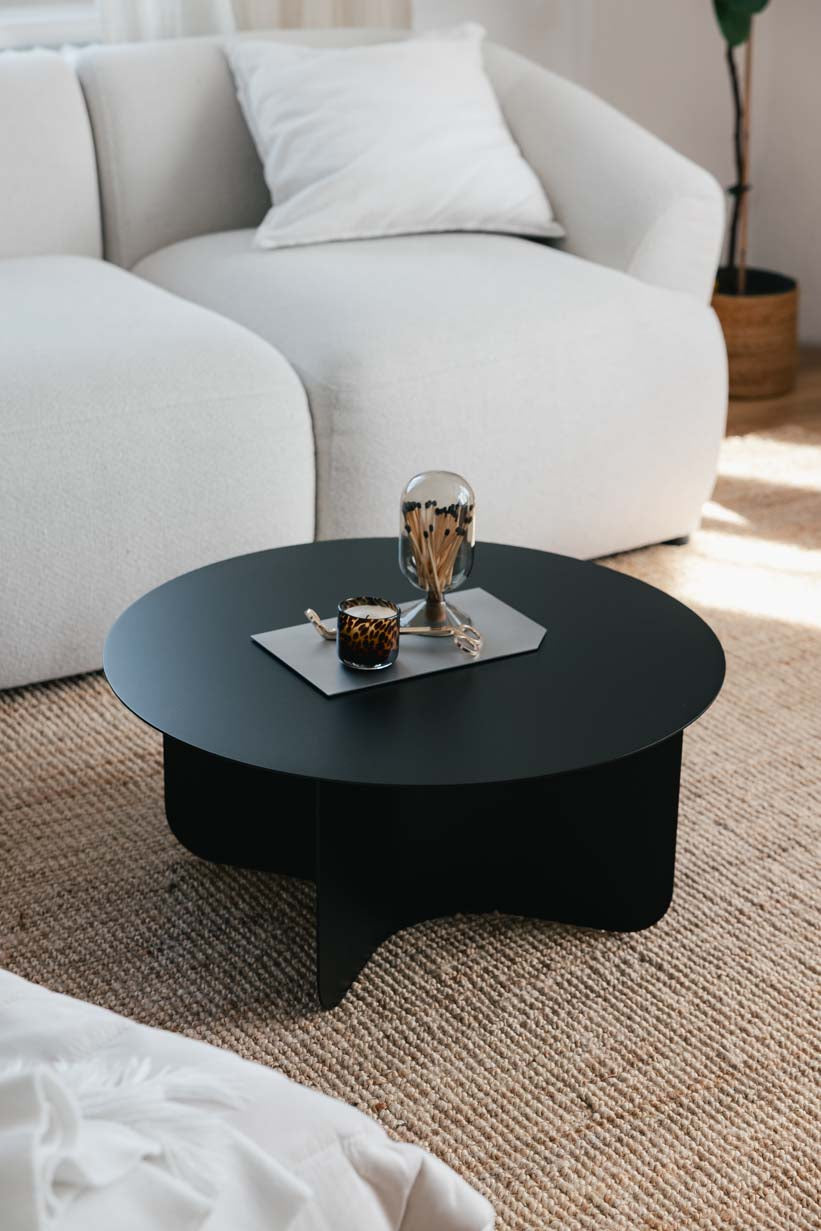
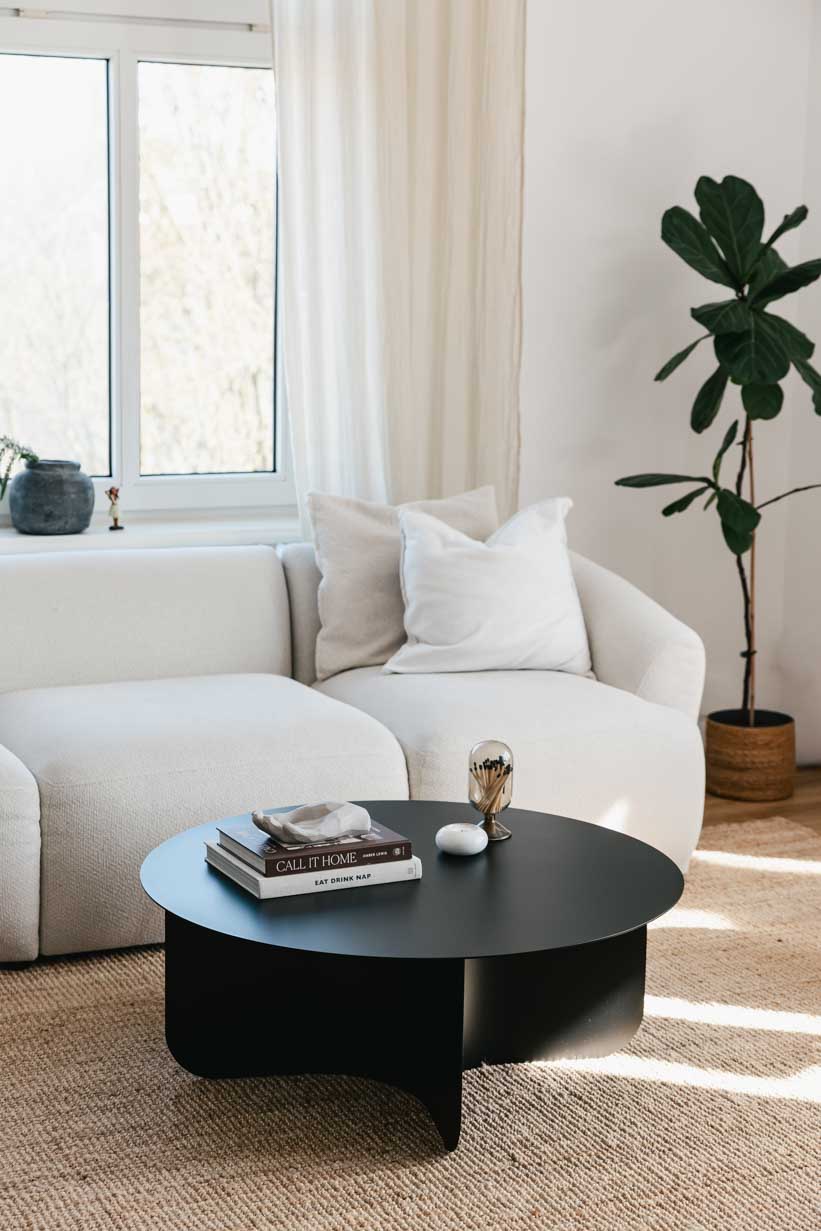
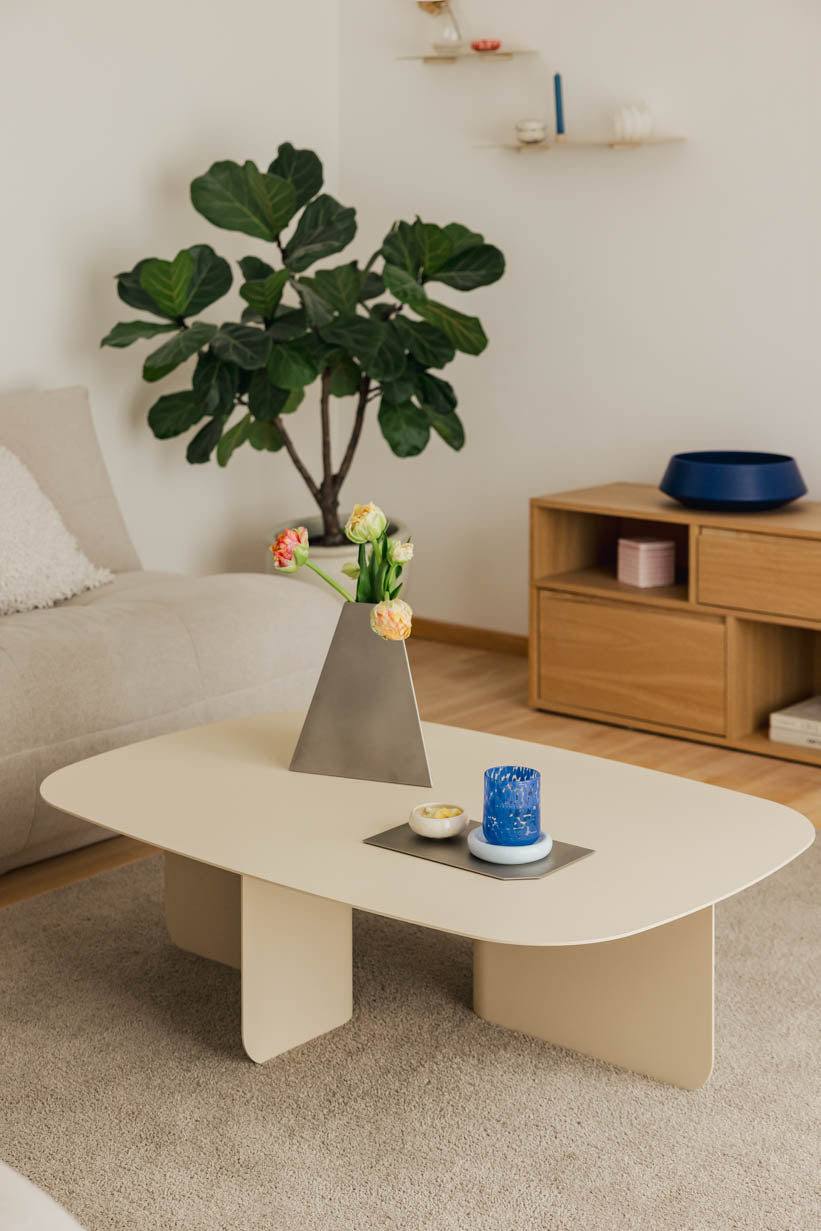
If you want to give your living room more character, opt for contrasts. Dark furniture against light walls, bold colors next to neutral tones, or different materials immediately create visual tension. Contrasts draw the eye to special design pieces, such as a striking sofa or a metal coffee table, and give the room character. It's important to choose colors consciously so that the interplay doesn't appear restless.

Furnishing with metal furniture – perfect for both looks
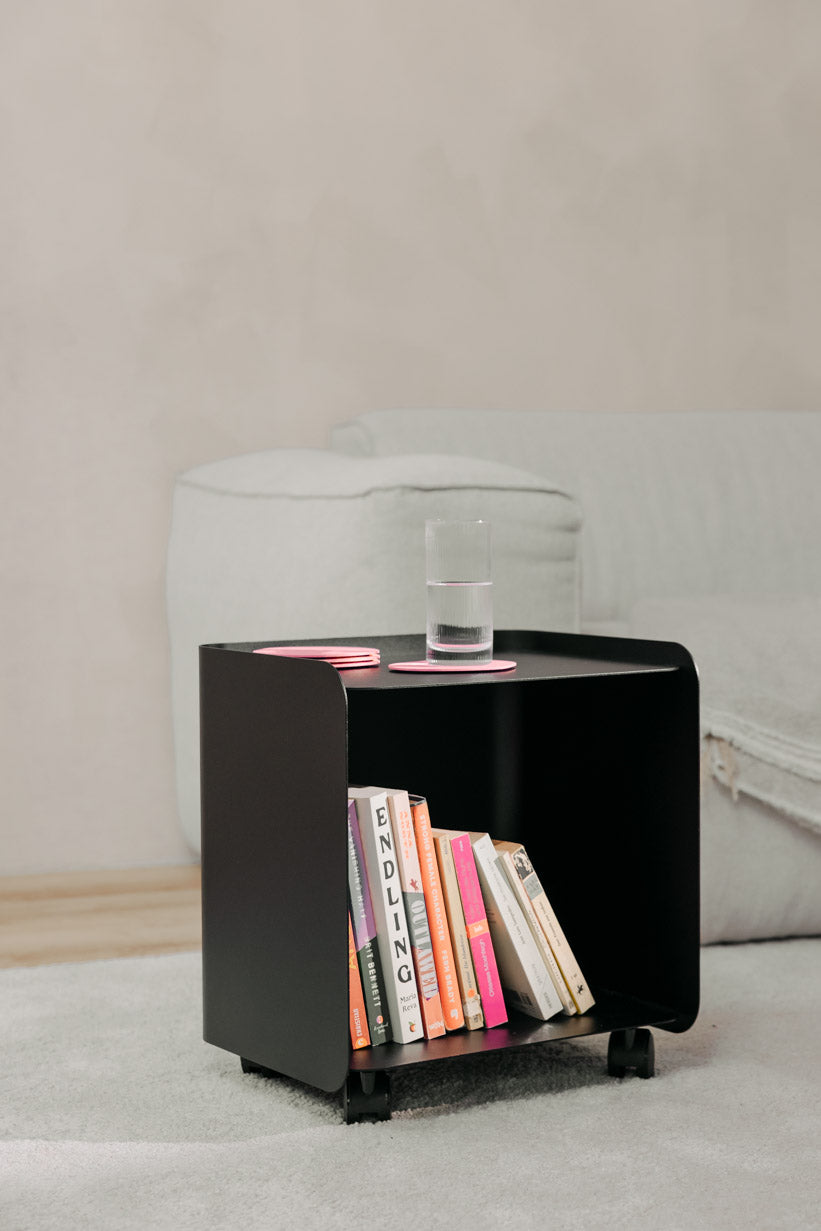
Metal furniture is particularly versatile and suits both tone-on-tone and high-contrast concepts. In a tone-on-tone living room, they emphasize the clear lines and elegant calm of the room, while in a high-contrast setting, they create highlights and visually structure the space. Combined with wood, textiles, or glass, metal furniture can also smoothly transition between harmonious color tones and dynamic contrasts, ensuring the living room always appears stylish and cohesive.
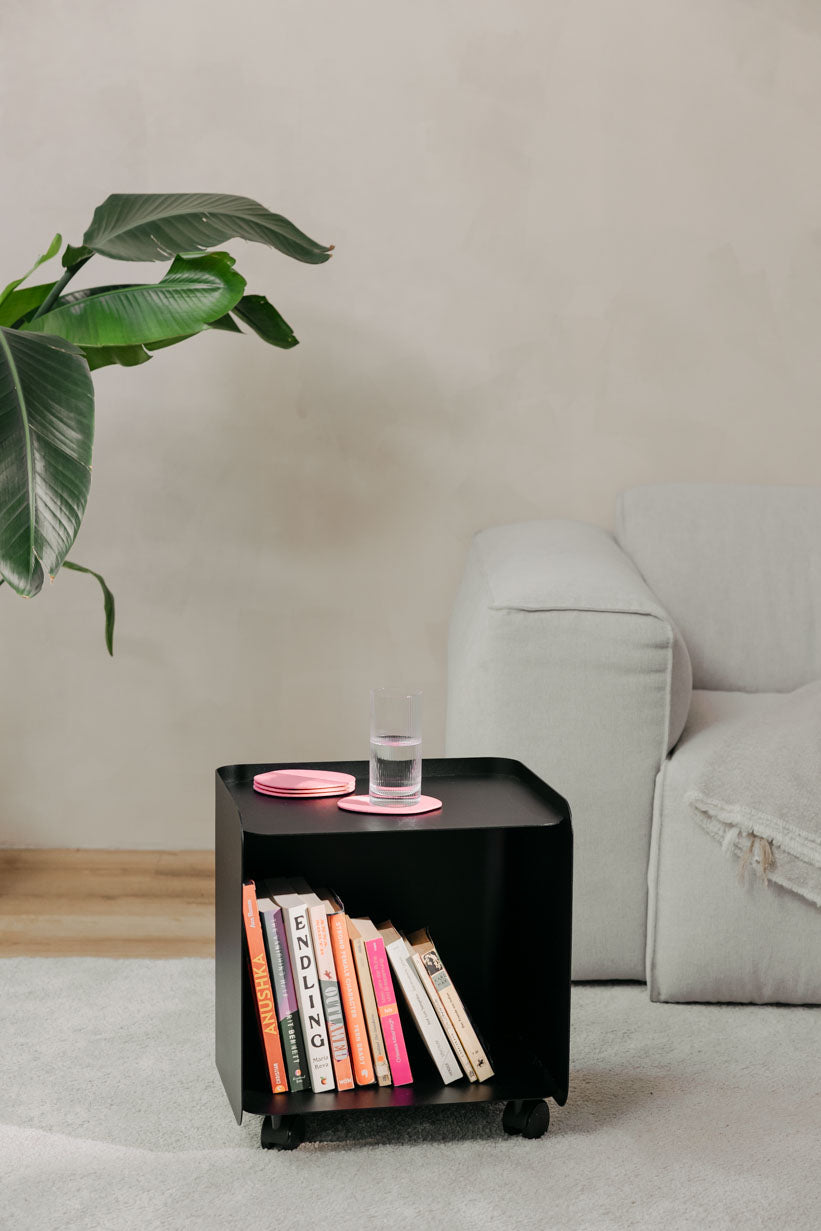
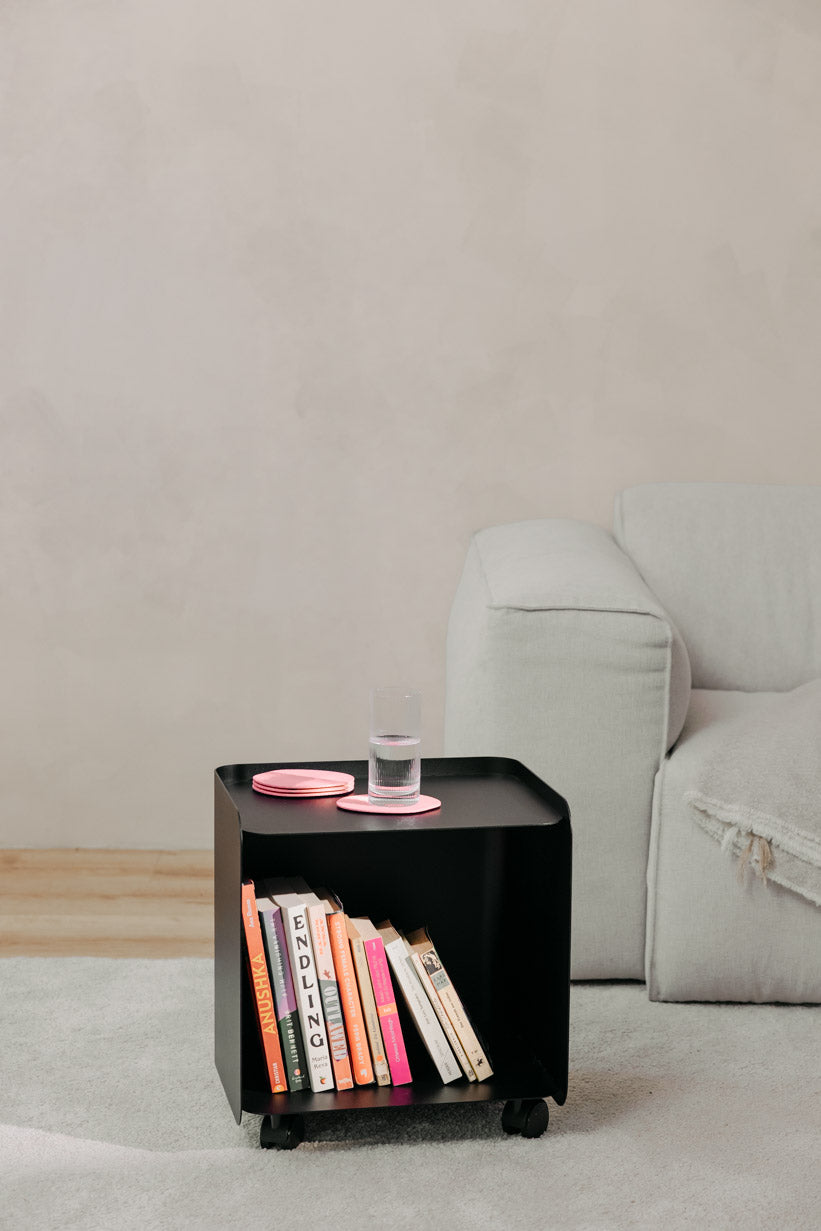


Which coffee table goes with my sofa?
Metal in Interiors: Cool or Cozy? Here's how to get the look!