



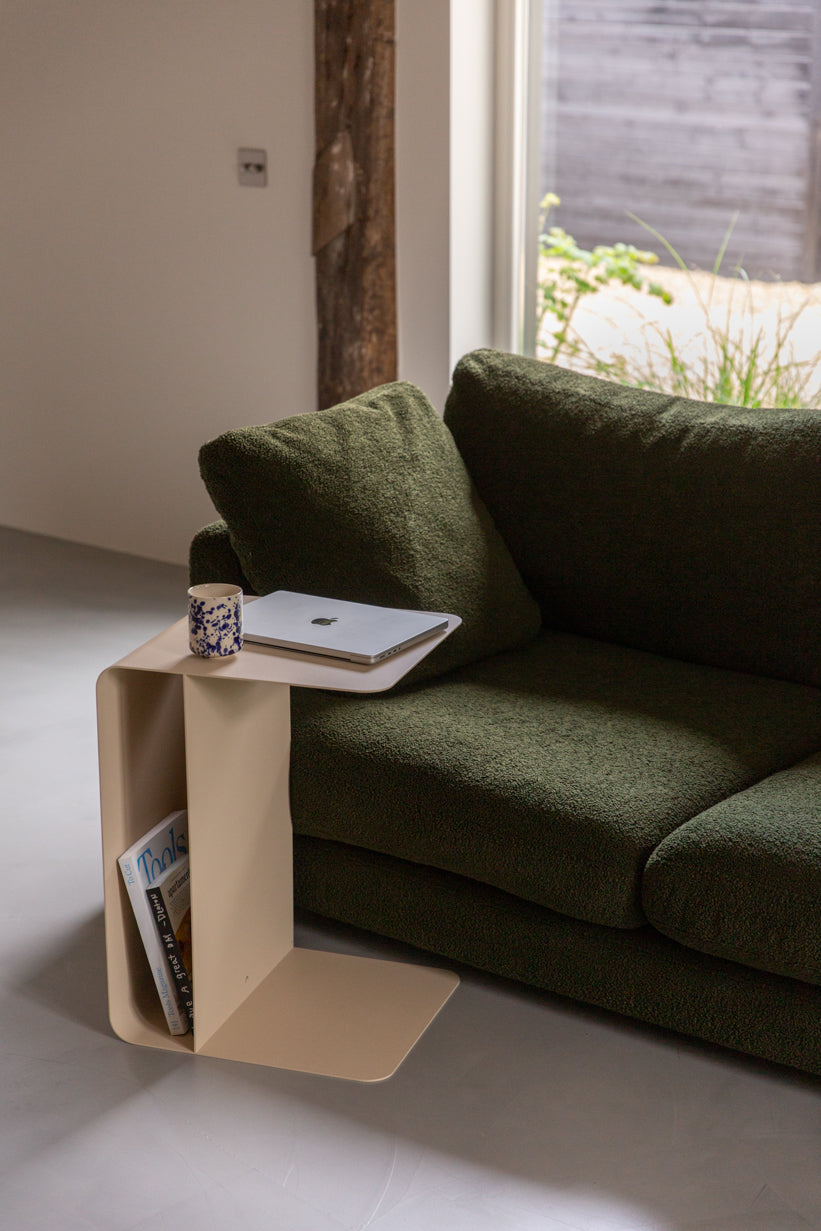
Metal in the interior: cool or cozy? How to achieve the look!
Metal in interiors is polarizing: for some, it appears clean and modern, for others, quickly cool and distant. The truth, as often, lies somewhere in between. Used correctly, metal not only brings clarity and structure to a room but can also feel surprisingly warm and homely. The interplay of material, color, and context is crucial.
This article shows how metal furniture can be stylishly integrated and how a seemingly cool material can become a true statement for cozy living.

Styling metal furniture cozily? Here's the guide
Metal inherently has a clear, minimalist appeal. To translate this into a homely atmosphere, targeted contrasts and soft counterparts are key. Hard surfaces benefit from materials that exude warmth – both visually and haptically. Textiles play a central role here: carpets, curtains, or upholstered furniture break the severity of metal and provide balance. The lighting mood is equally important. Warm, indirect light takes the harshness out of metallic surfaces and makes them appear calmer.
How to combine metal furniture for a homely feel?
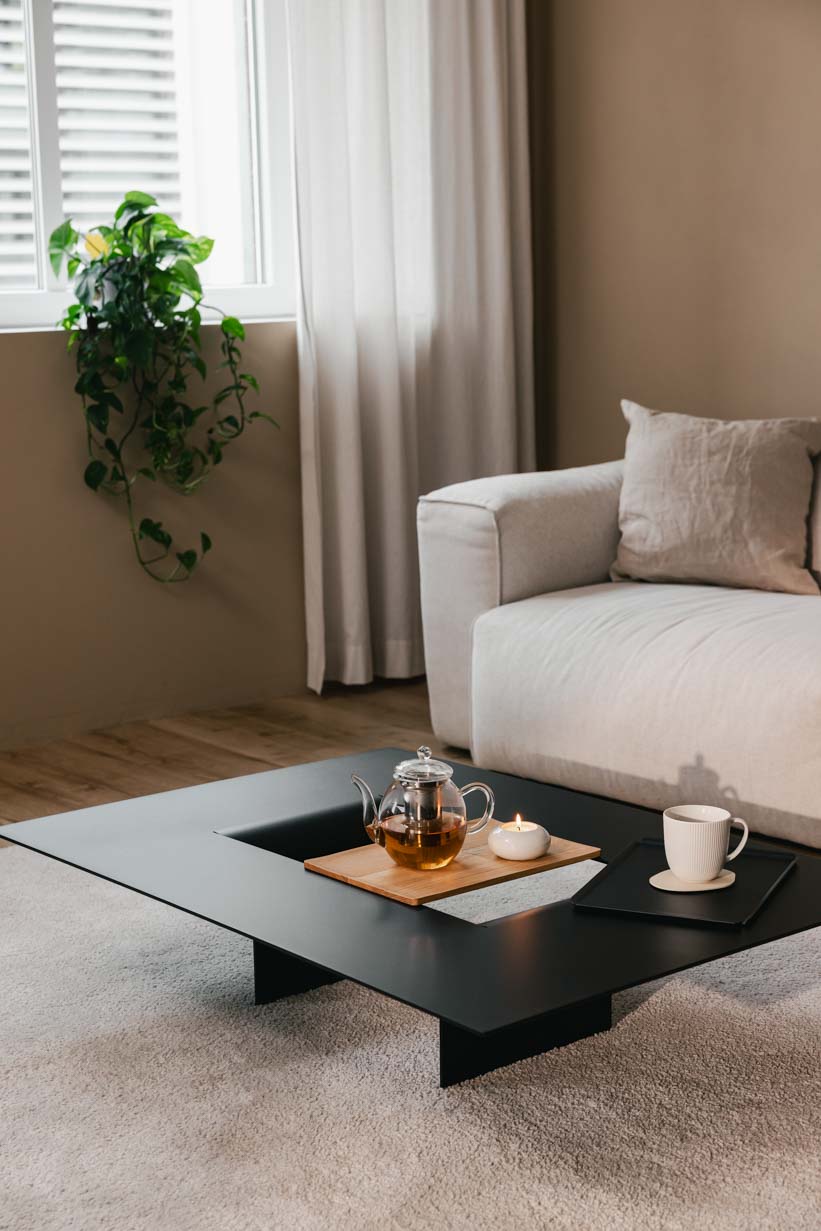
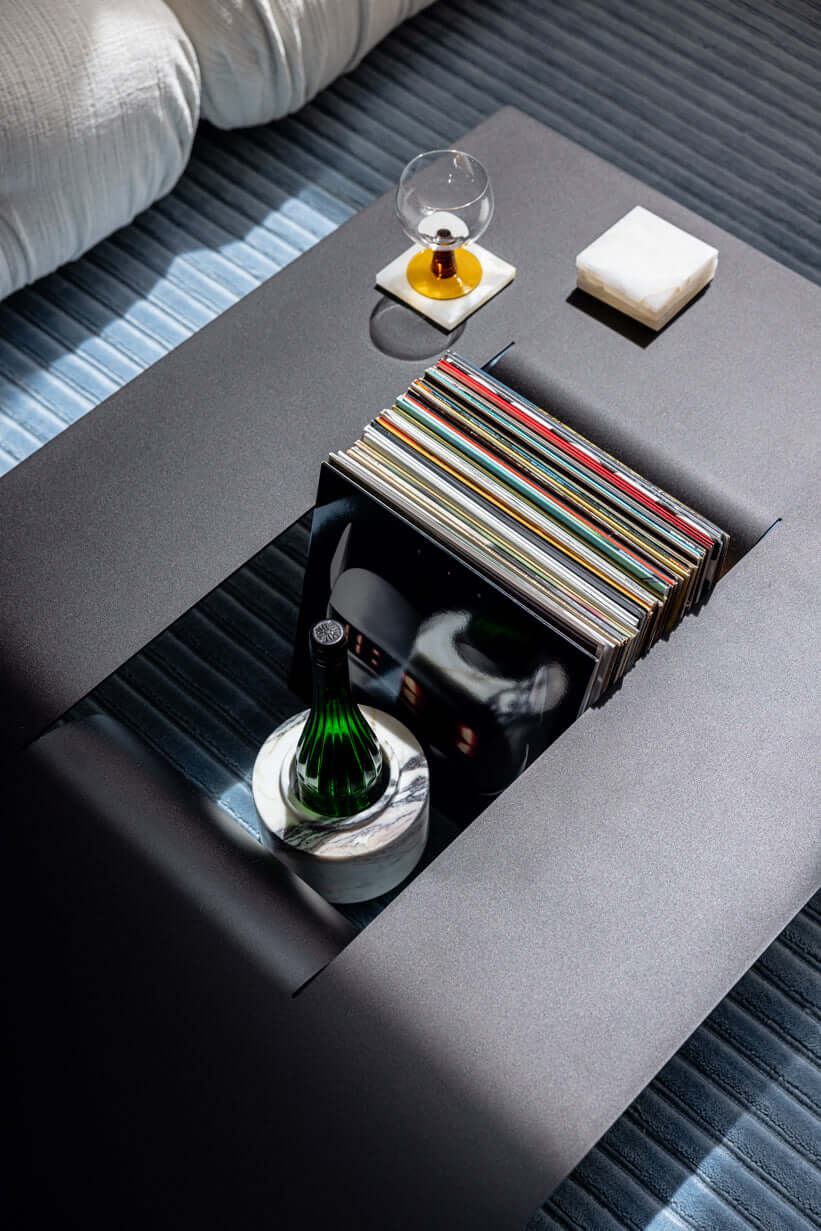
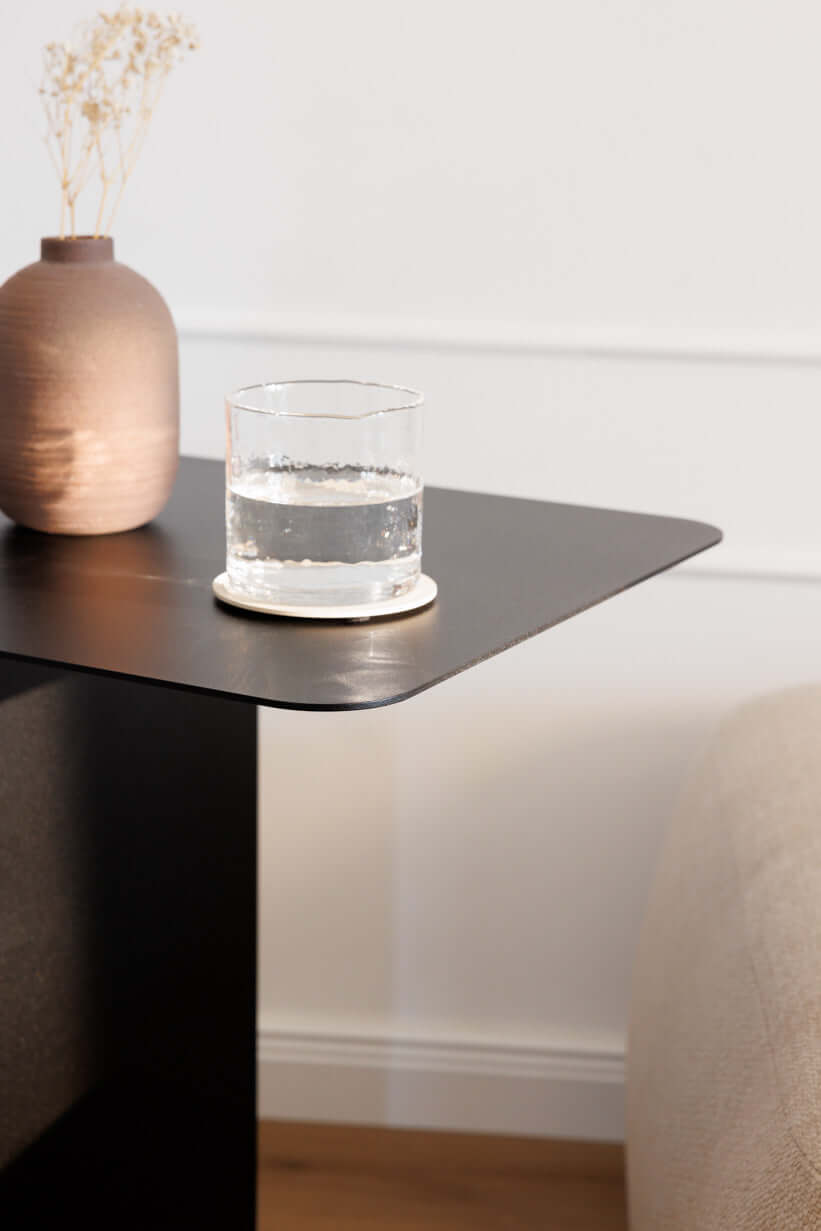
The combination makes all the difference. Metal unfolds its effect particularly when contrasted with materials that have a natural or soft appearance. Wood is a classic in this regard. It brings warmth and vibrancy into play and creates an exciting dialogue with the clarity of metal. Fabrics like linen, cotton, or bouclé also provide a soft counterpoint. It's important that colors and textures are coordinated to create a harmonious overall picture. Accessories should be used purposefully. Few, well-chosen elements emphasize the look without overwhelming it.

Which metal colors look particularly modern?
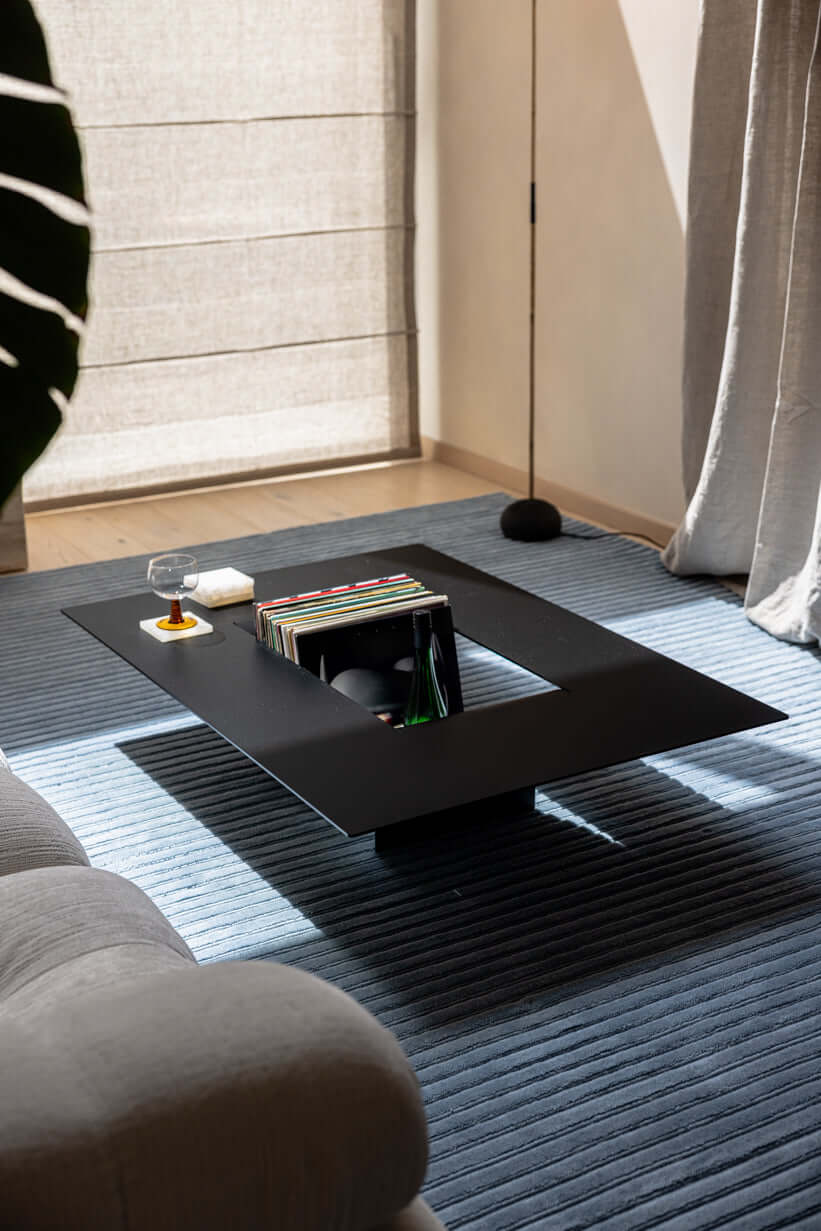
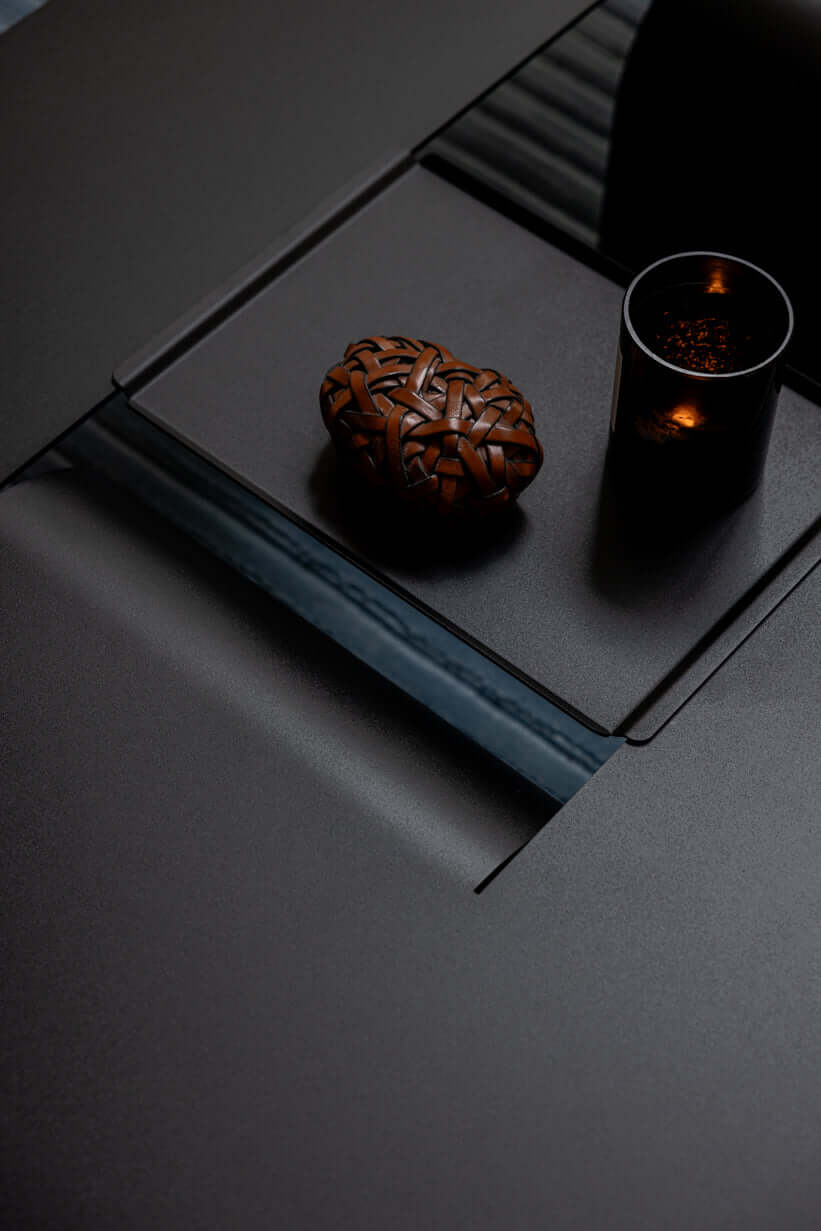
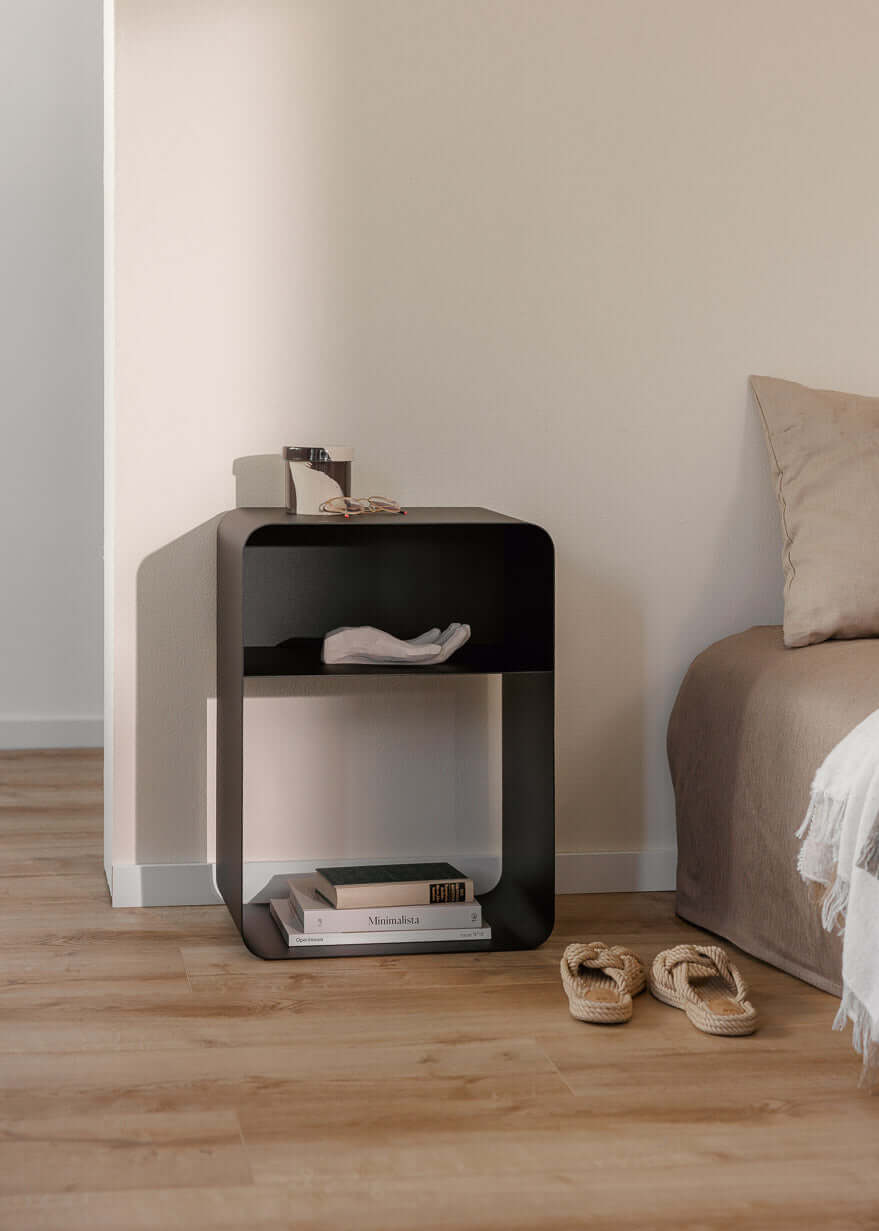
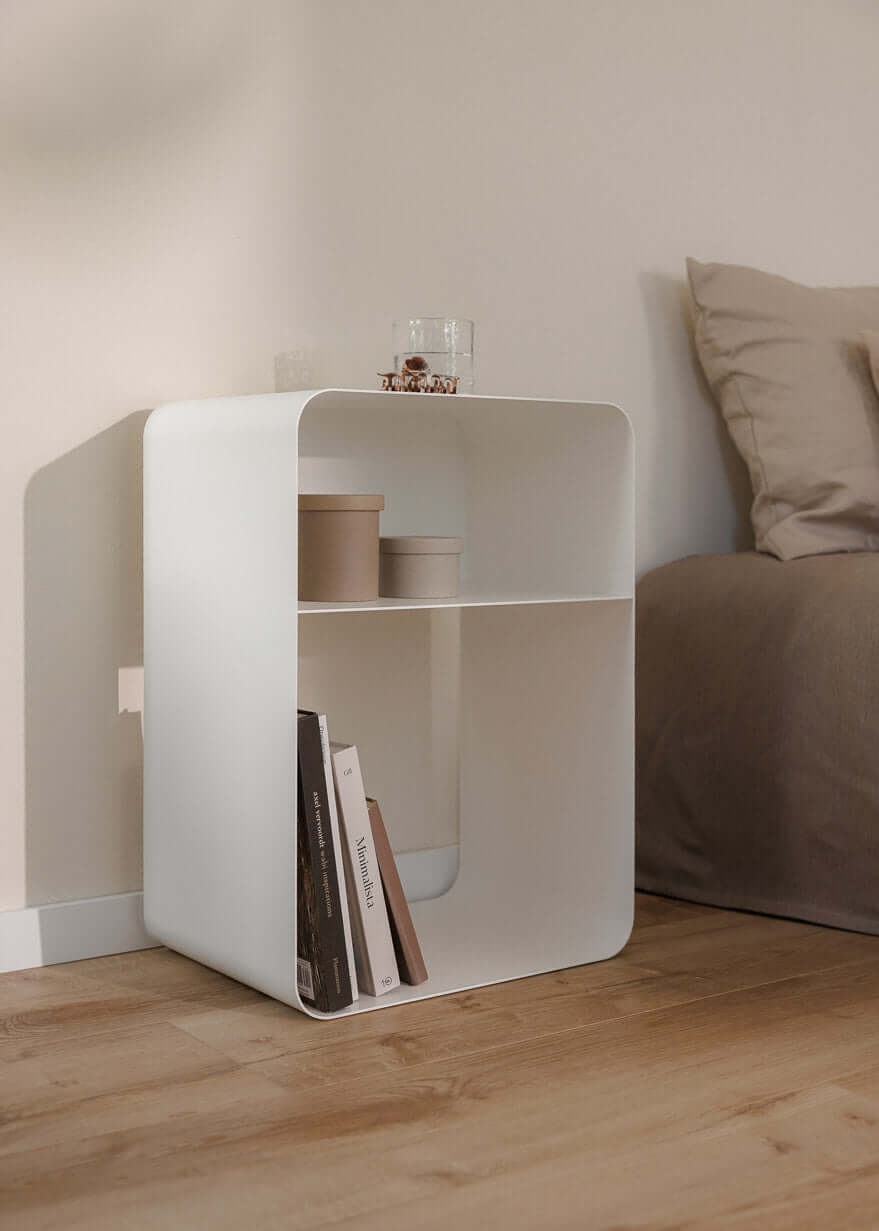
Not all metals look the same. The choice of color has a great influence on the overall impression of a room. Black is considered timeless and minimalist. It creates clear lines and fits particularly well into modern, minimalist interiors. At the same time, it appears less cool than shiny metallic tones, as it absorbs rather than reflects light. Powder-coated surfaces in muted colors – such as beige, greige, or a soft green – bring additional warmth into play. They appear calmer than classic silver or chrome and can be combined in many ways.

Do metal furniture go with wood, fabrics, and natural materials?
Metal reveals its strength in interaction. Especially with natural materials, a balanced tension is created that appears modern and inviting at the same time. Wood provides grounding, fabrics provide softness, and natural materials like stone or ceramics provide authenticity. This combination brings depth to the room and prevents metal from appearing dominant or cold. The key is coordination: too many different materials can create a restless impression. A clear mix of materials with recurring elements that run through the room is better.

Planning your interior correctly: Dosing metal furniture for a homely ambience
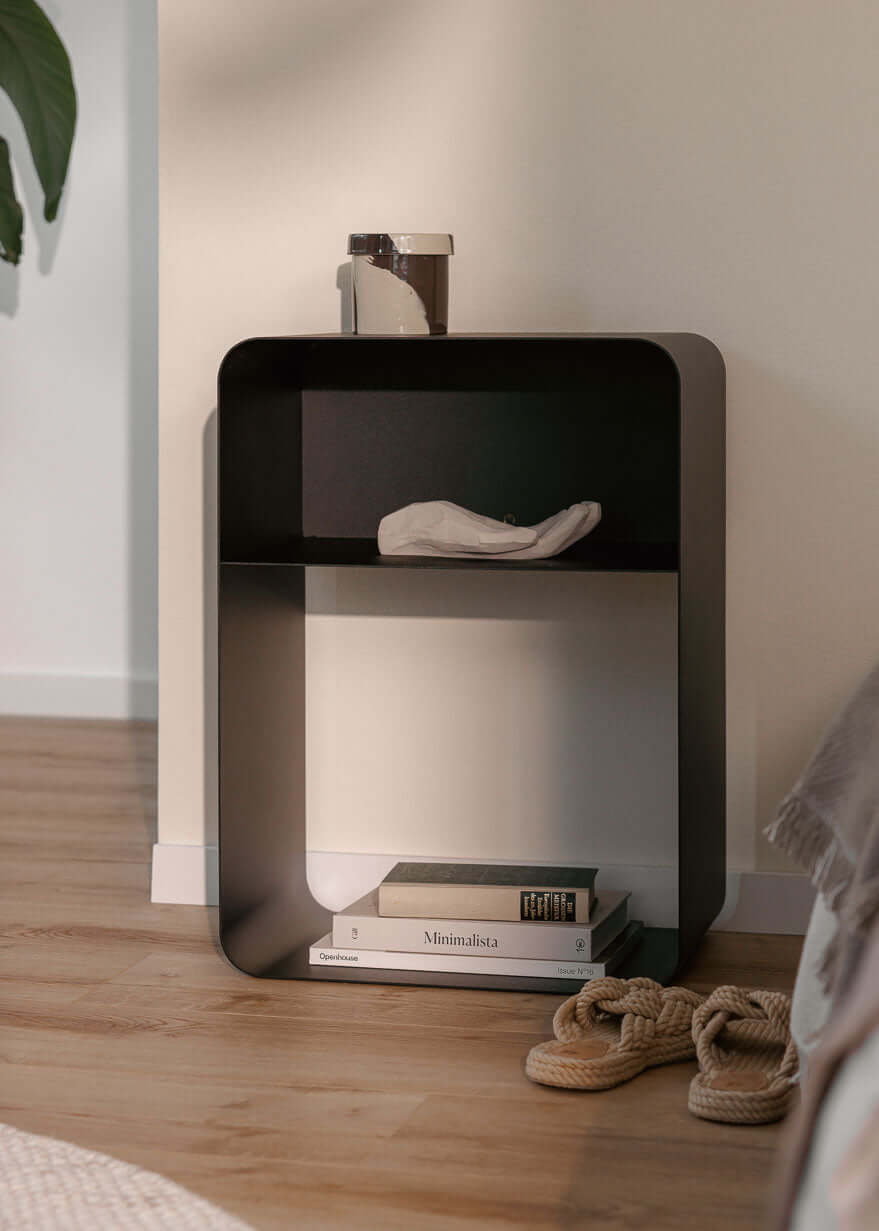
Less is more – especially with metal. Individual, strategically placed pieces of furniture have a stronger impact than widespread use. A sideboard, a coffee table, or a shelf made of metal can serve as an anchor in the room. Complemented by softer materials, a balanced overall picture emerges. Ultimately, it's the interplay that matters: metal is not an antithesis to coziness – but a tool to make rooms clearer, calmer, and more conscious. Used correctly, a look is created that is not only modern but, above all, remains pleasant.


Tone-on-tone or contrast – what looks better?
Welche Möbel lohnen sich wirklich teuer zu kaufen?