

What is Slow Living Interior - Peace, Sustainability & Well-being Design
In a world characterized by hectic schedules, digital stimuli, and constant change, many people yearn for a retreat that offers peace and security. This is precisely where Slow Living Interior comes in. It's an interior design concept that not only impresses aesthetically but also promotes a sustainable lifestyle. Slow Living Interior stands for conscious living, where quality, tranquility, and well-being take center stage. Instead of frantically chasing trends, the focus is on creating spaces that combine timelessness, comfort, and sustainability.

The philosophy of Slow Living Interior
The foundation of Slow Living Interior is the philosophy of conscious living. Spaces are designed to radiate peace and tranquility. Every object, every piece of furniture, and every material is consciously chosen to create harmony. The core principles are: mindfulness (consciously perceiving and designing spaces), sustainability (valuing durable furniture and natural materials), and quality over quantity (less is more – every piece counts). Slow Living Interior is therefore more than design; it is a way of life that reduces stress and enables a sustainable, mindful home.

Less is more: Minimalism meets coziness
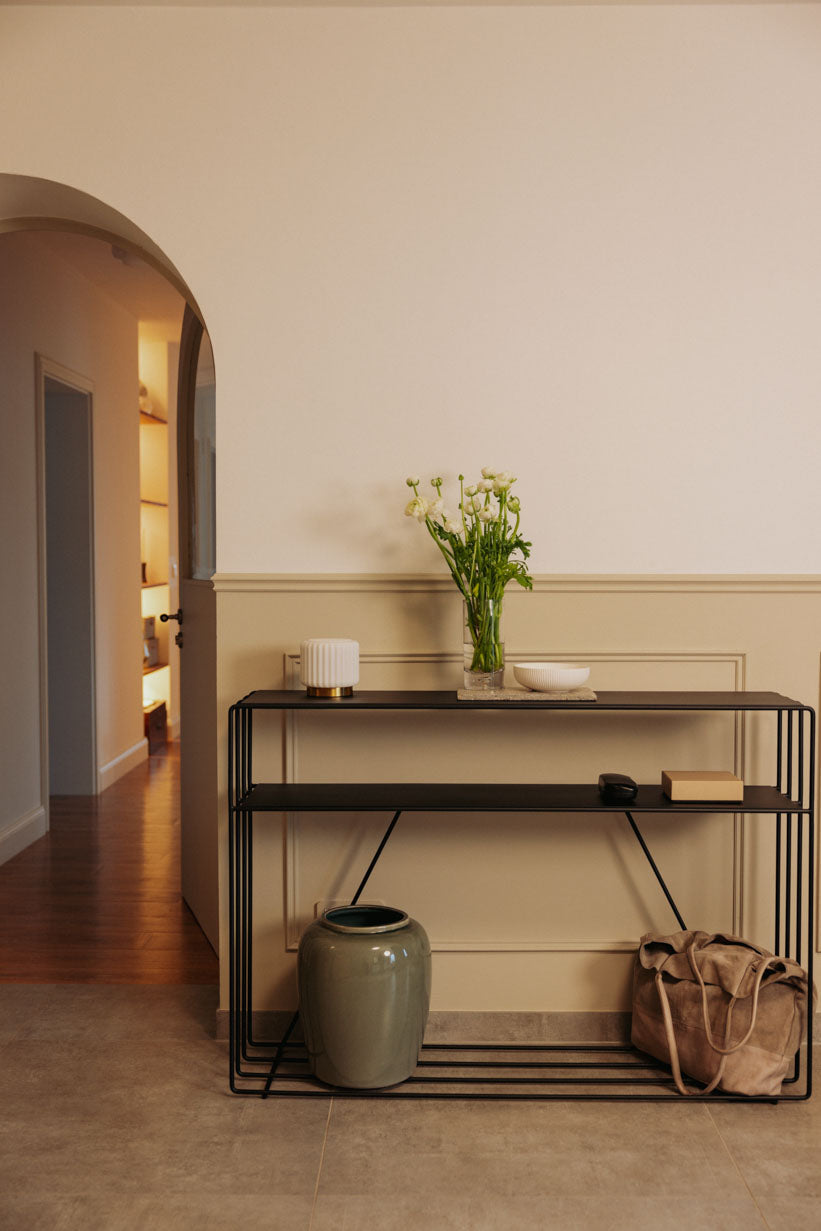
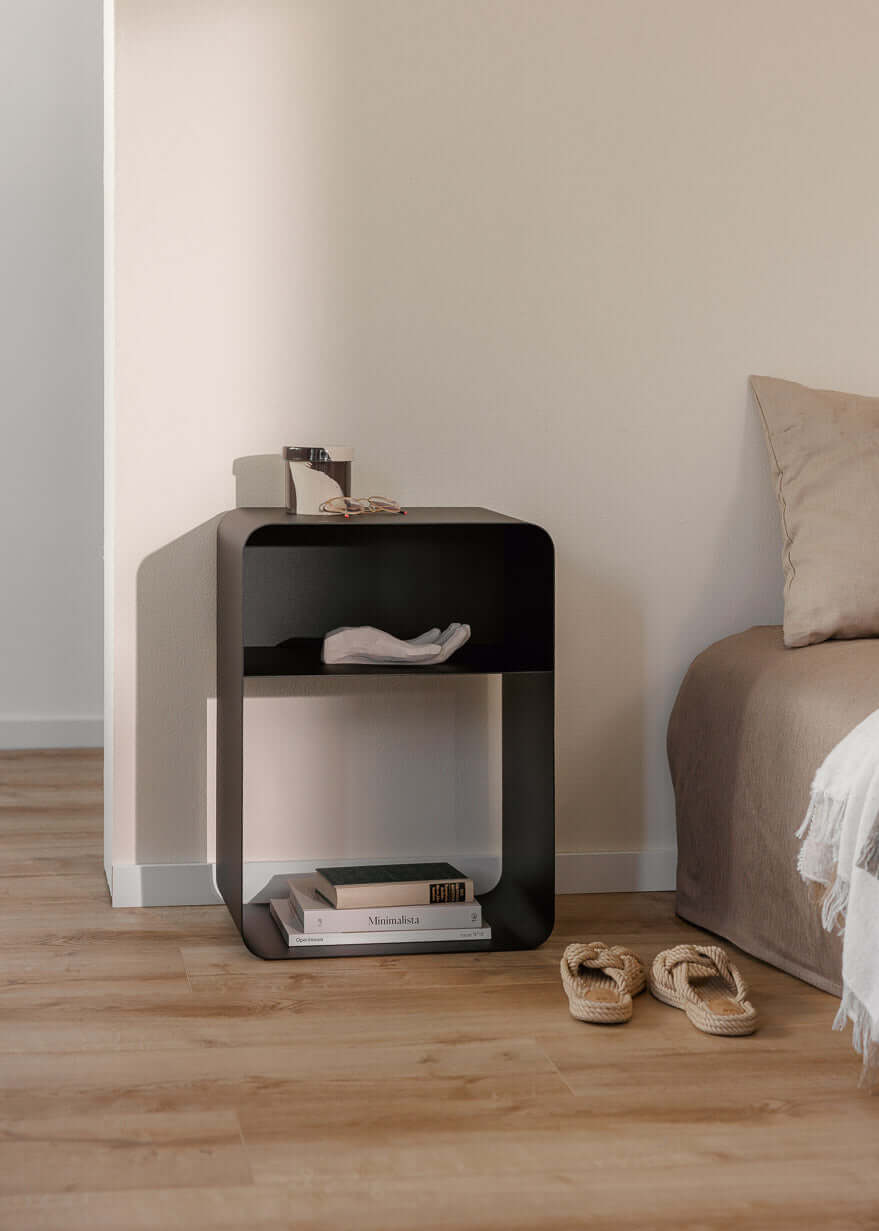
Minimalism is a central element of Slow Living interiors, but it's not about stark, impersonal spaces. Rather, it combines clean, minimalist design with comfort elements that make a home cozy. Natural colors, warm textures, and carefully selected furniture create an inviting atmosphere that radiates tranquility and reduces stress. Simple lines, subtle color palettes in beige, earth, or pastel tones, and the combination of functionality with comfort create a harmonious overall impression. The result is a tidy, timeless home where minimalism doesn't mean deprivation, but rather unites conscious choices and cozy well-being.

Materials and furniture in Slow Living design
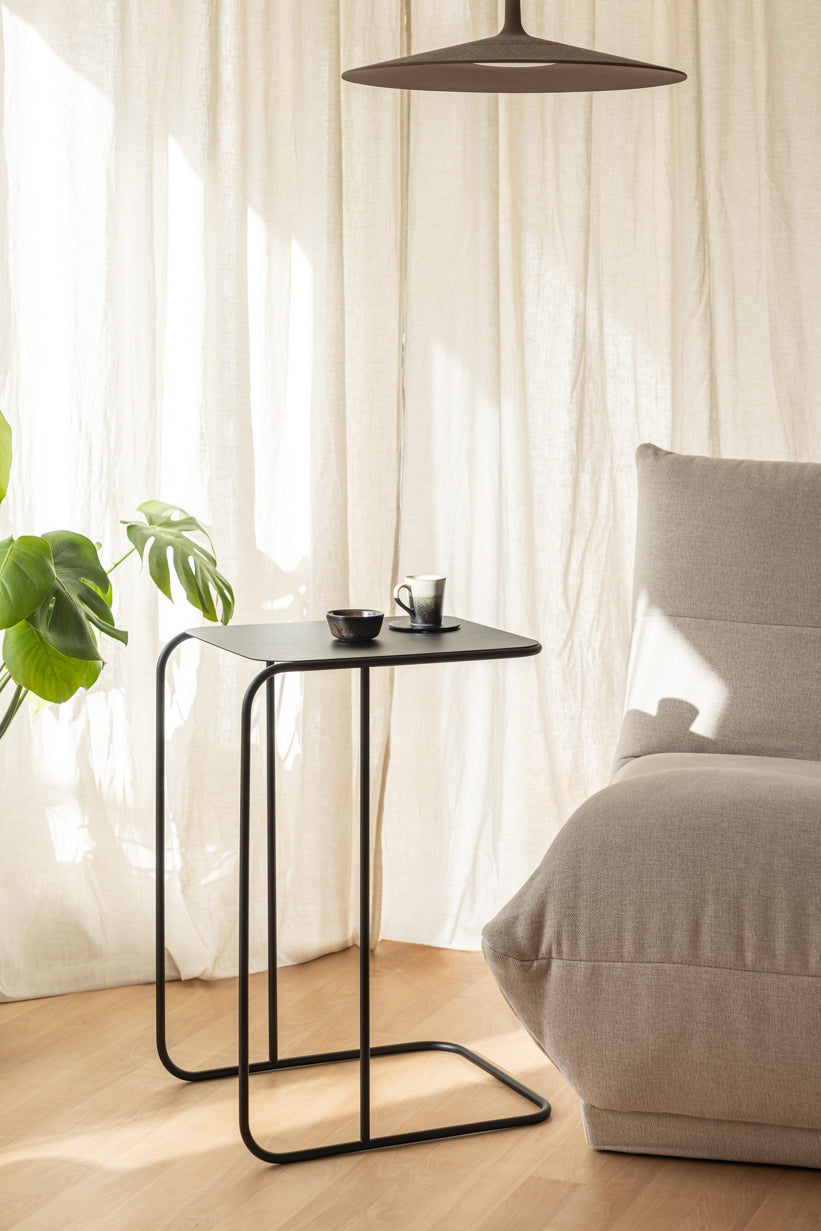
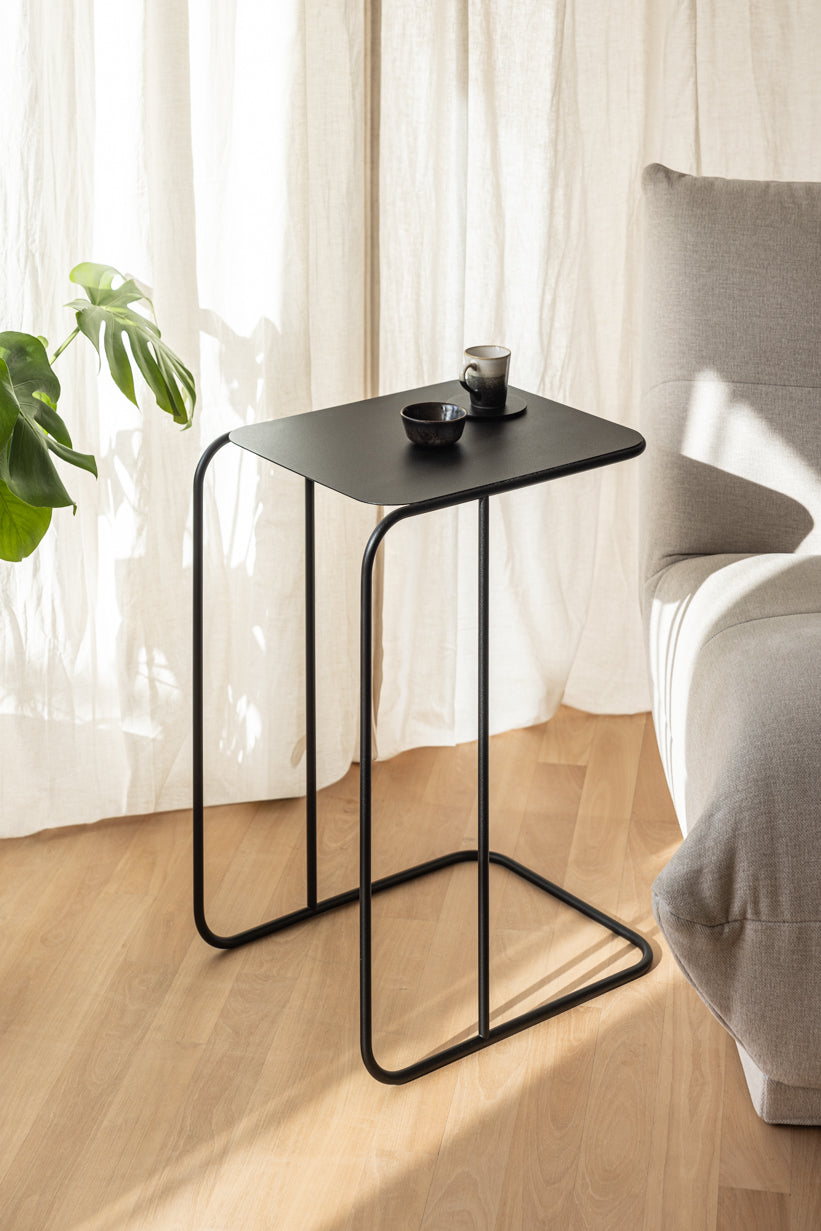
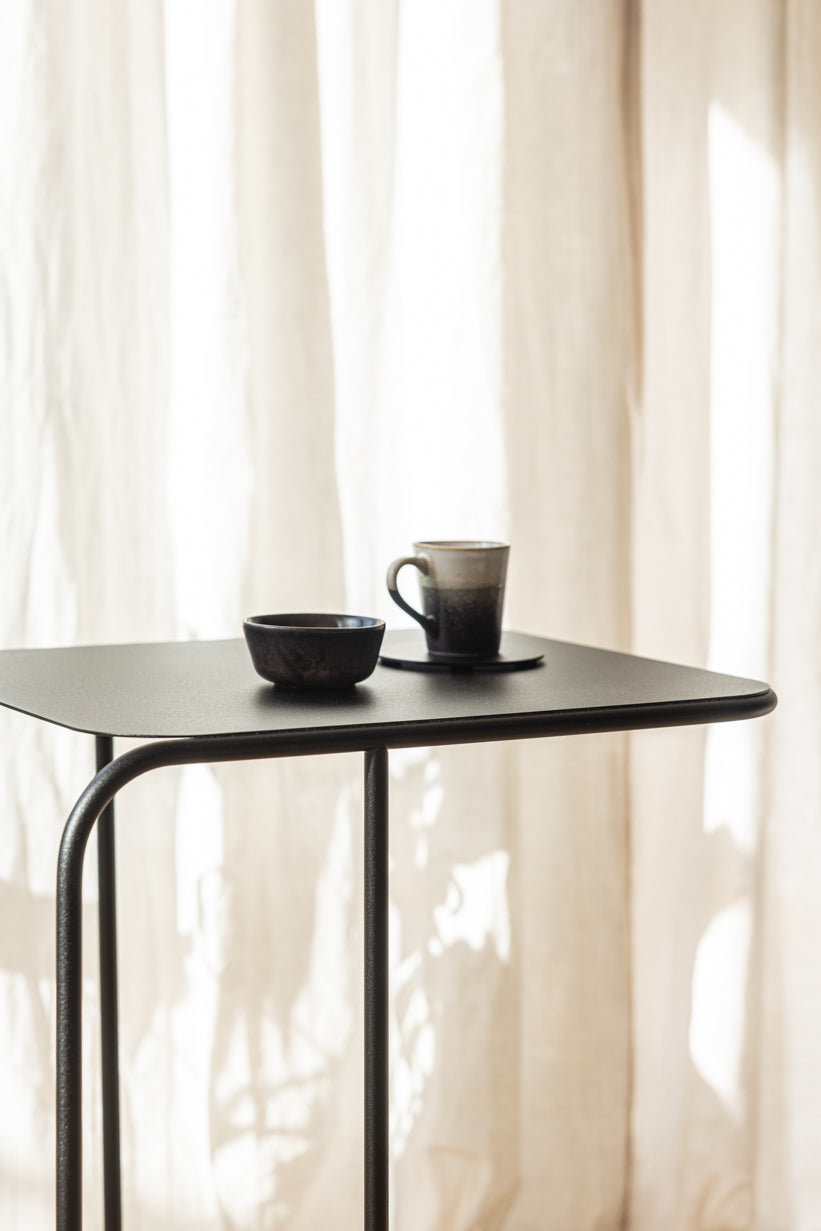
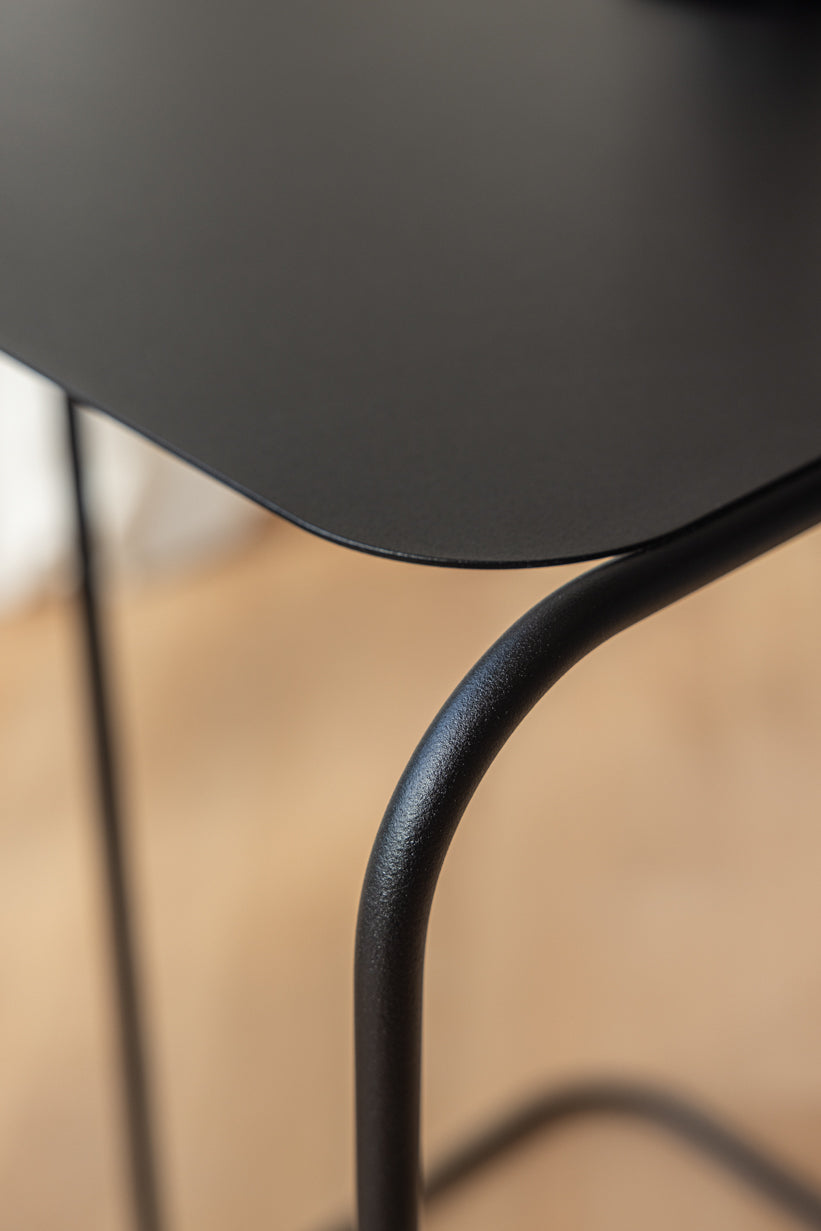
In Slow Living interiors, materials and furniture play a central role, as they determine both the look and the atmosphere of a room. Natural and sustainable materials are preferred, as they are durable and exude a warm, inviting feel. Woods such as oak, beech, and teak characterize the furnishings, as do linen, cotton, and wool in textiles. Stone, ceramics, and simple metal are also used strategically to create contrasts and structure the space. Slow Living furniture is distinguished by timeless forms, high-quality craftsmanship, and longevity. Each piece is carefully selected and intended not only to be functional but also to offer aesthetic value. This creates a harmonious interplay of comfort, quality, and sustainability, transforming the home into a sanctuary.

Interior design ideas in the Slow Living style
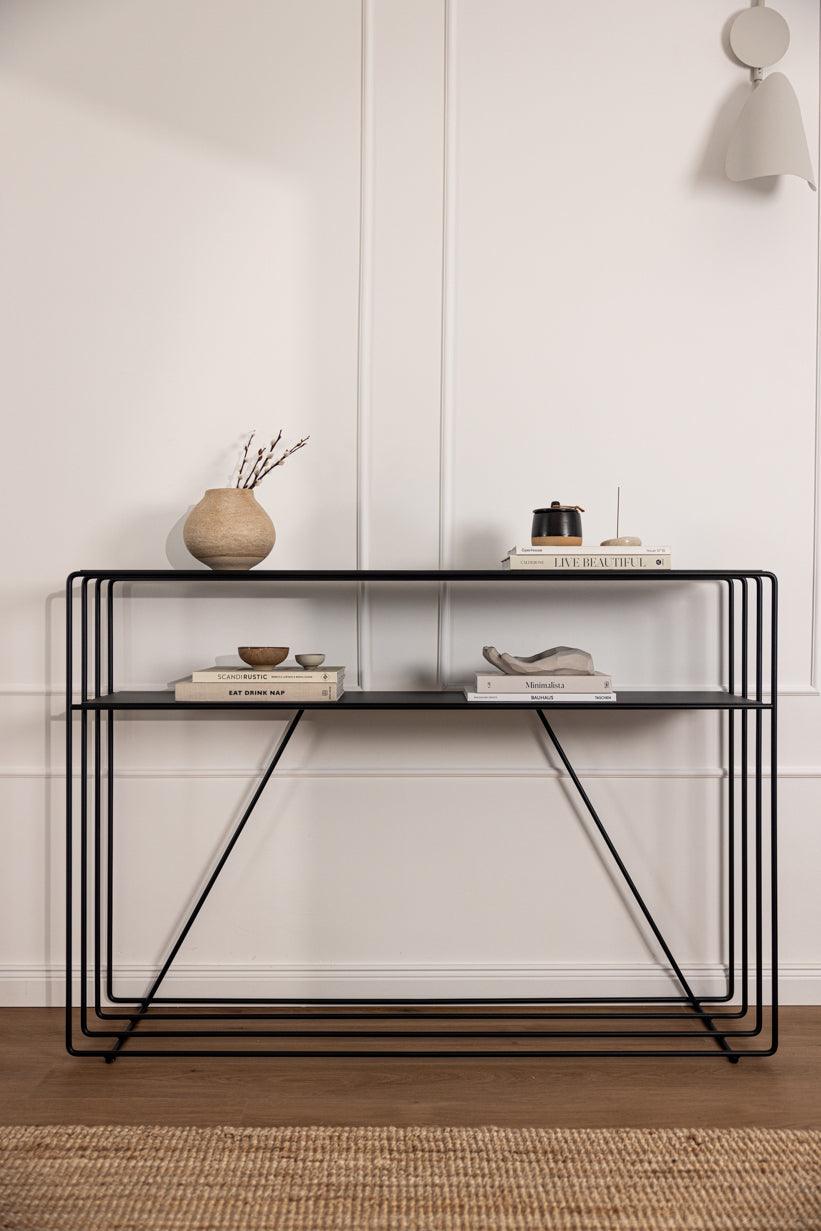
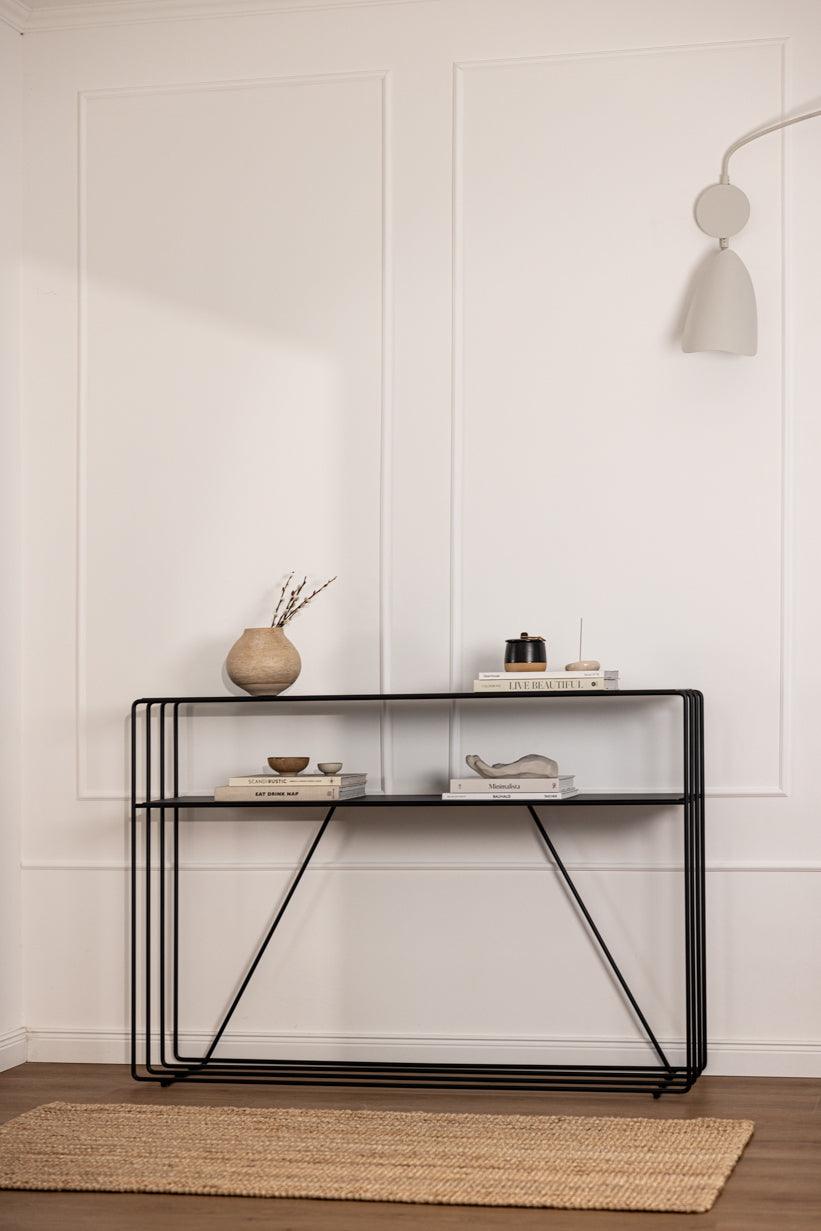
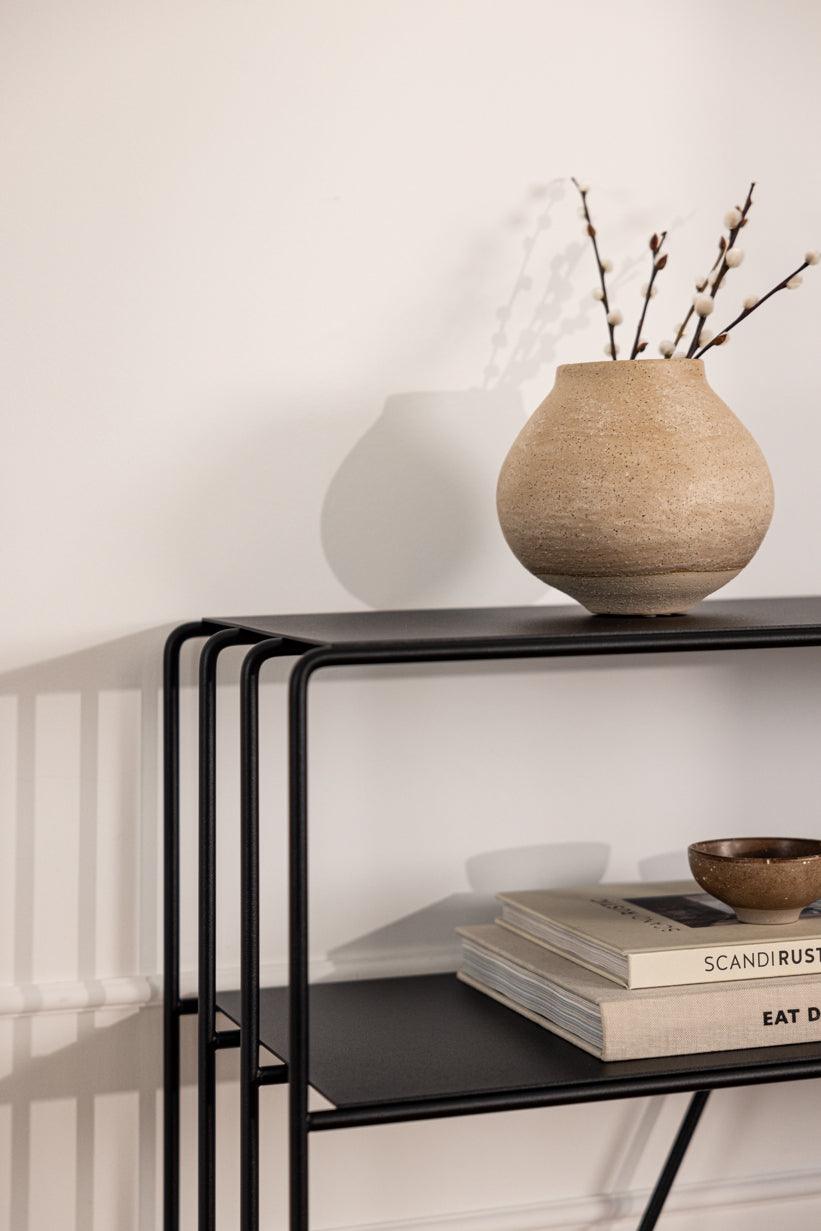
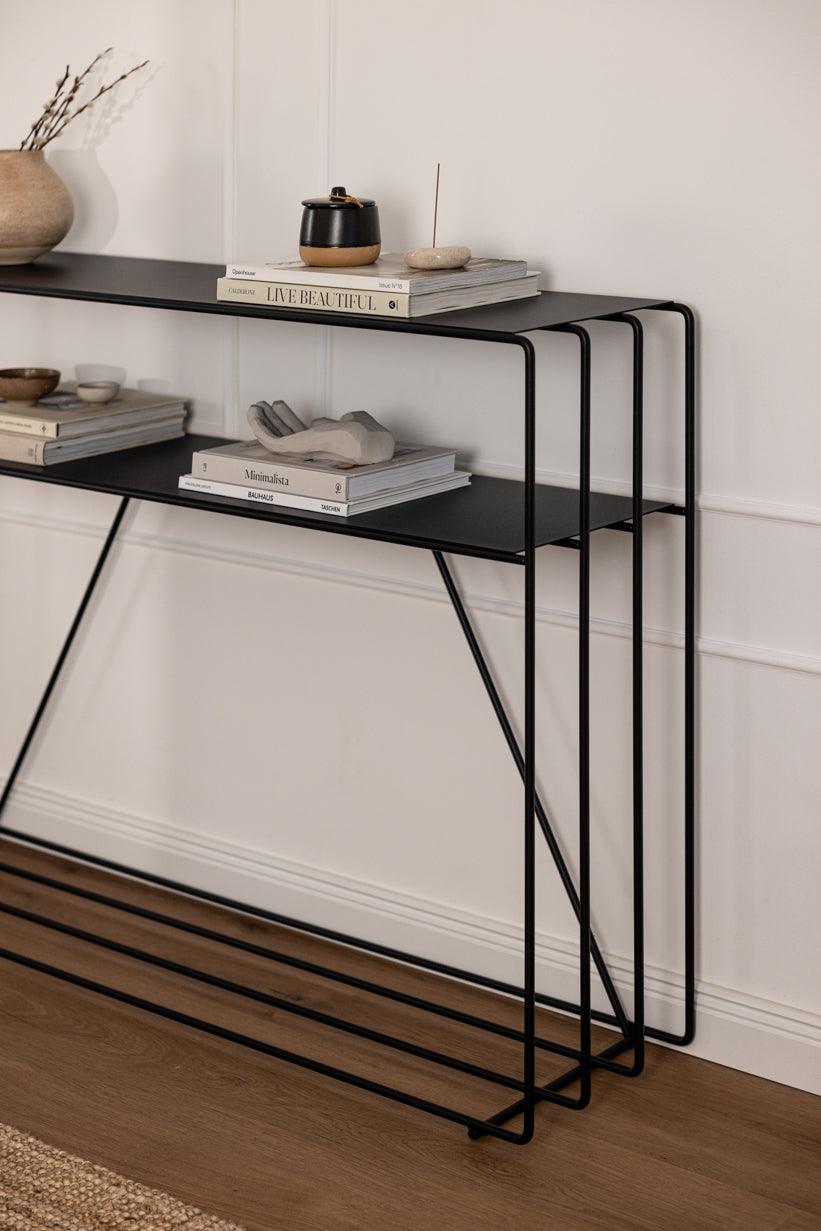
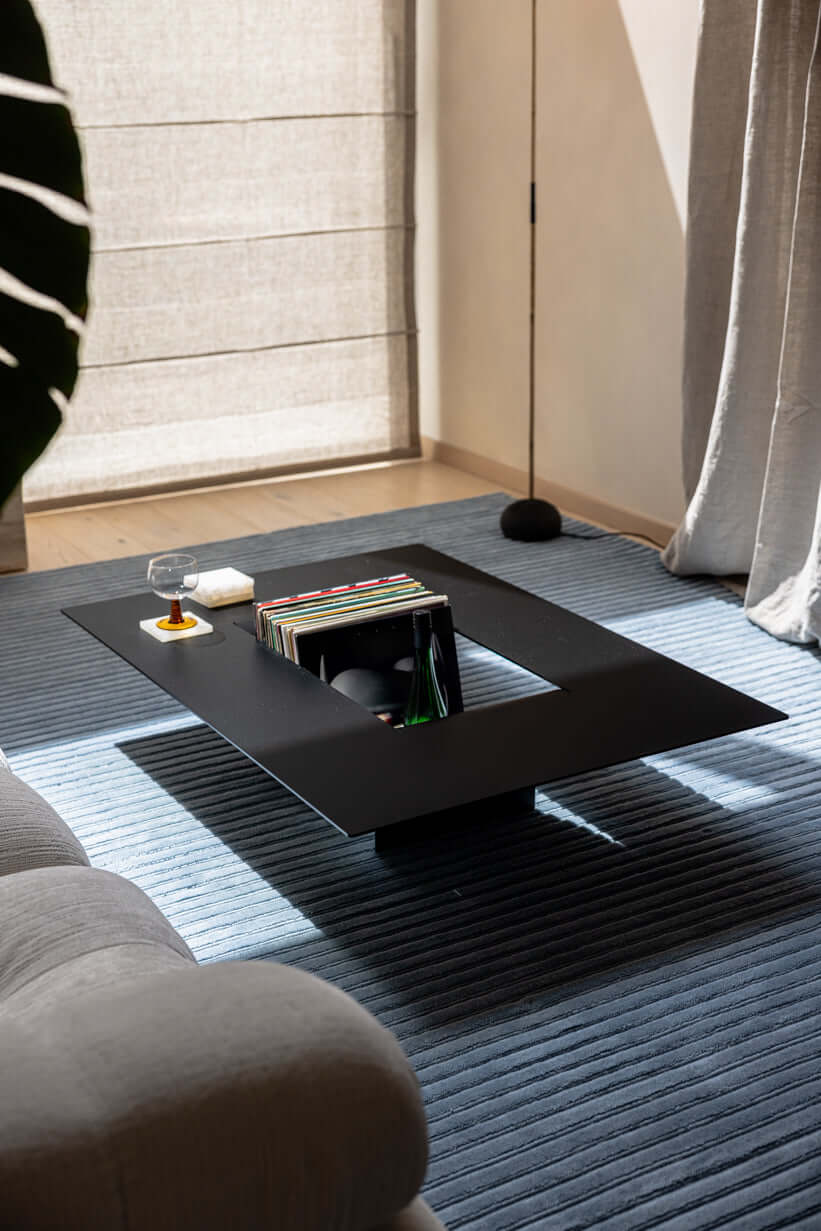
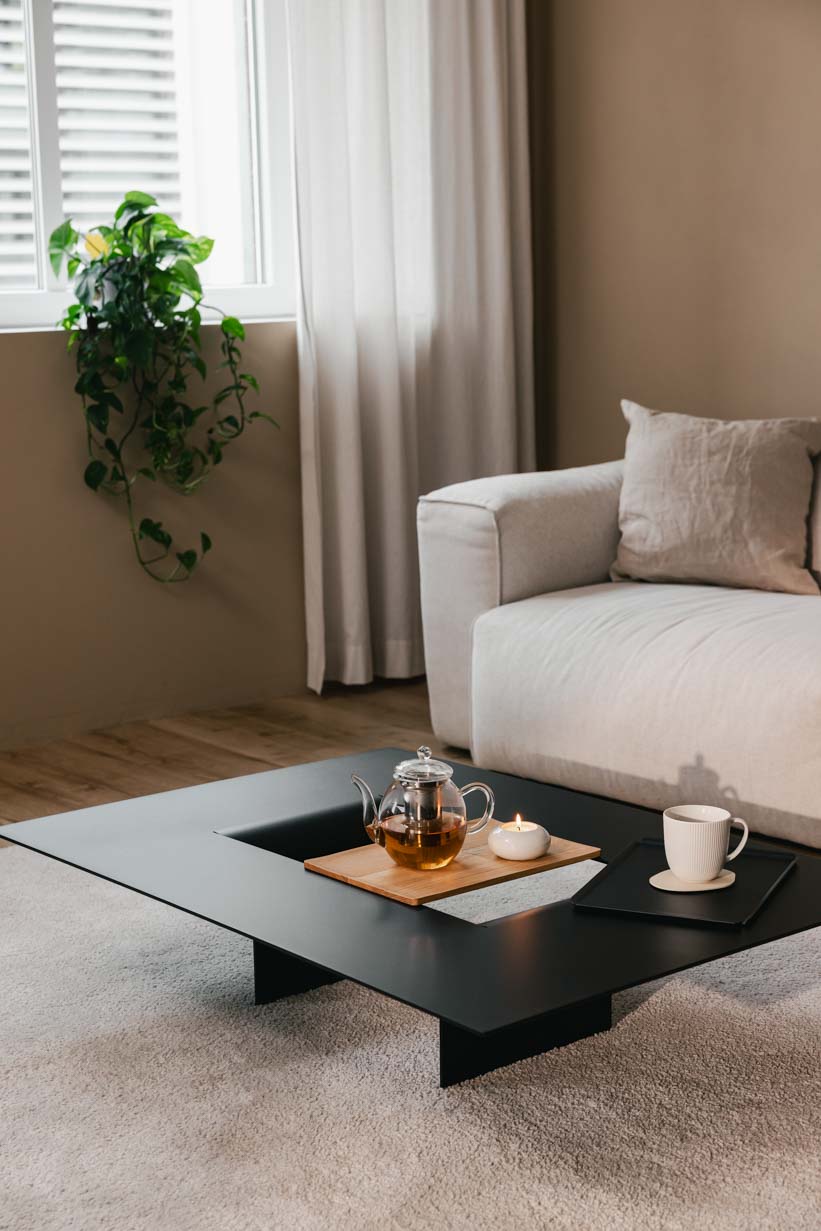
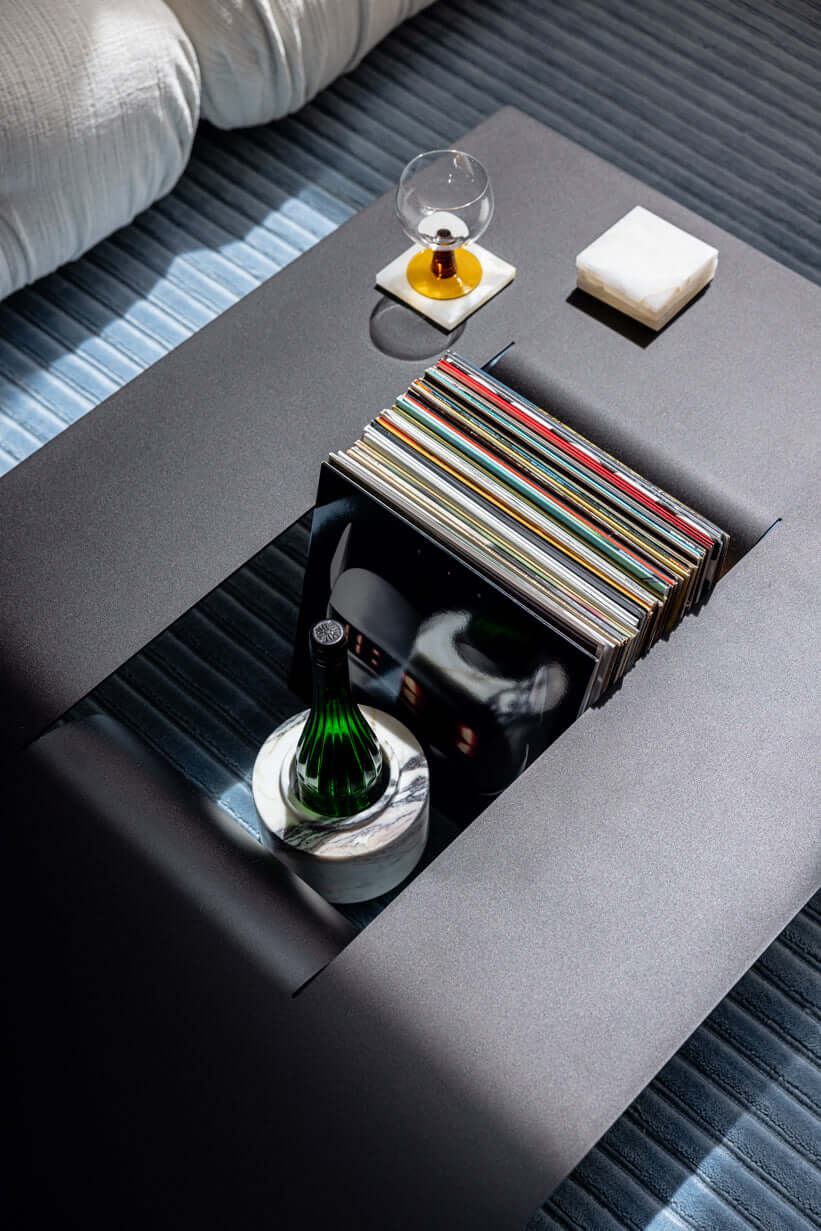
Slow living interiors can be implemented in a variety of ways without making rooms feel cluttered. Bright rooms with plenty of natural light create a sense of openness, while plants not only ensure a healthy indoor climate but also foster a connection to nature. Multifunctional furniture, such as extendable tables or modular shelving systems, helps save space and maintain order. Small touches, like candles, vases, or rugs made of natural materials, also contribute to creating a cozy atmosphere. The key is to choose each element thoughtfully so that the home is both practical and comfortable , calming the senses.
Tips for a relaxed home
To fully embrace the Slow Living Interior concept, some practical tips can help:
· Decluttering: Reduce everything that is not needed.
· Routine for order: A tidy home immediately feels more relaxed.
· Conscious color selection: Soft, natural colors have a calming effect.
· Natural materials: wood, linen, ceramics and stone create a feel-good atmosphere.
· Shop sustainably: prioritize quality over quantity, and choose durable furniture and decorations.
This transforms your home into an oasis of calm, reducing everyday worries and enabling genuine relaxation.

What is Japandi Style?
Scandinavian Christmas