

Making small rooms appear larger - tips & tricks for more spaciousness
Small rooms often feel cramped and cluttered, but with the right tricks, you can create the illusion of more space. Clever color choices, lighting design, and carefully placed accents can make even small rooms feel airy, bright, and inviting. In this article, you'll learn how to make your room appear larger while simultaneously creating a cozy atmosphere.

Why spatial effect is so important
The spatial effect significantly influences how we feel in a room. Small spaces can feel stressful or confining, while spacious rooms convey freedom, tranquility, and well-being. It doesn't matter whether you live in a small apartment or a compact bedroom – the right design can make even small rooms appear larger. A well-thought-out room concept helps not only visually but also functionally: clear pathways, well-placed furniture, and a well-defined structure create order and facilitate the use of the space. This makes small rooms appear not only larger but also more harmonious.
Psychology of colors, light and proportions
Colors, light, and proportions are the key factors in making a room appear larger:
· Colors: Light colors such as white, cream, pastel, or soft gray reflect light and make walls appear wider. Darker tones, on the other hand, create a sense of closeness and depth – they can be used selectively to create accents.
· Light: Natural light instantly makes any room appear larger. Large windows, light-colored curtains, and reflective surfaces help to make the most of the light. Targeted artificial light, such as uplights or wall lamps, can also visually open up small rooms.
· Proportions: Appropriately sized furniture is crucial. Oversized wardrobes or massive sofas can quickly make small rooms feel cramped. Narrow, tall furniture or multifunctional pieces draw the eye and create a sense of height and spaciousness.

Light wall colors for a more spacious feel
Light wall colors like white, cream, pastels, or soft grays instantly make small rooms appear larger and more open. They reflect light better and create an airy feel. A consistent color palette across walls, ceiling, and floor further enhances continuity and makes the room feel cohesive.

Bold accents: Where dark colors are allowed
Dark colors don't have to be taboo – used correctly, they create targeted accents and depth. A wall in dark blue or anthracite can look striking behind a sofa, bed, or in a niche. It's important that dark surfaces are used sparingly to avoid visually shrinking the room.

Mirror tricks for optical depth
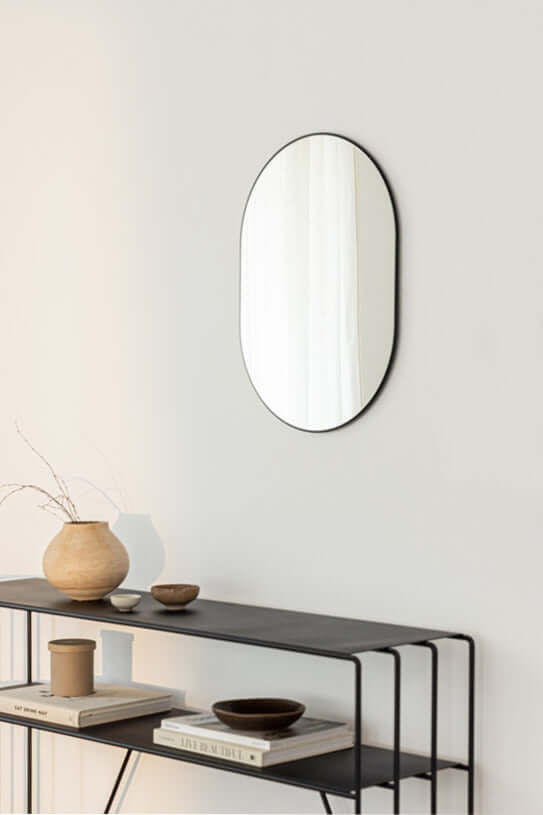
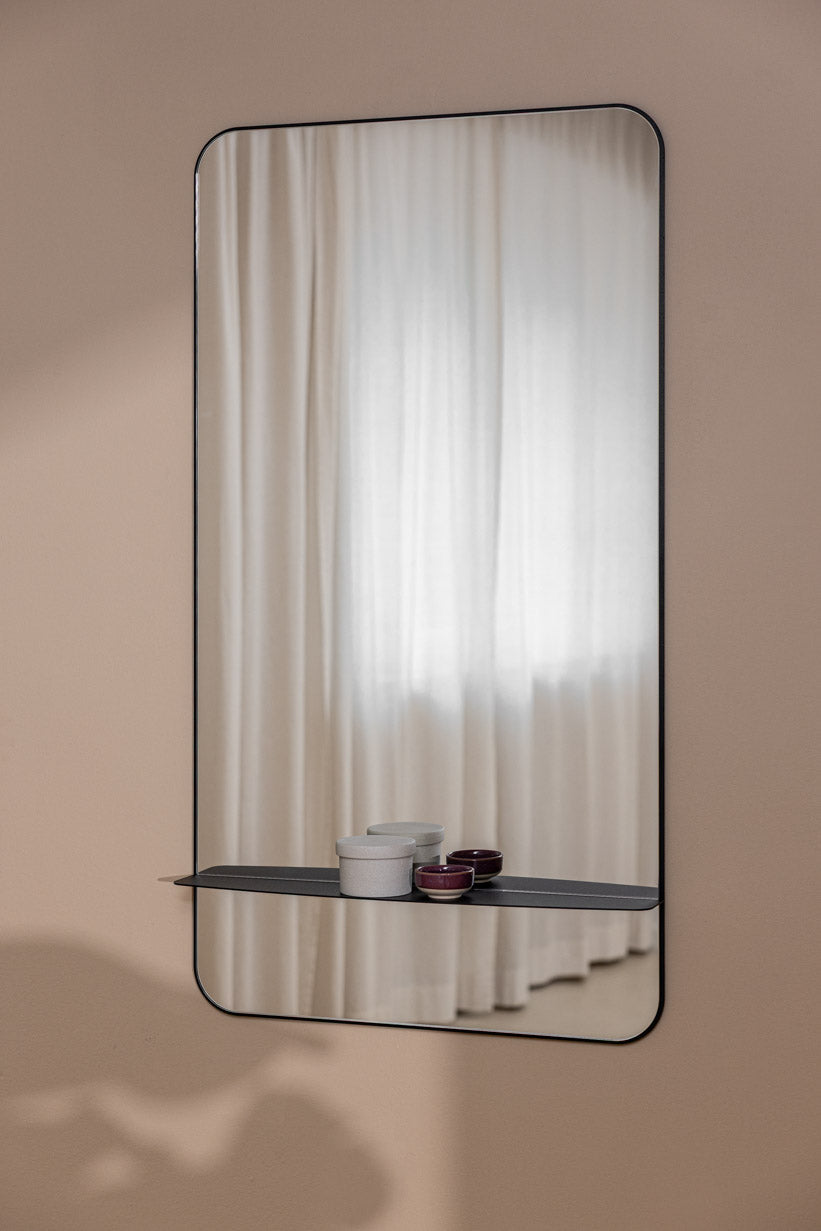
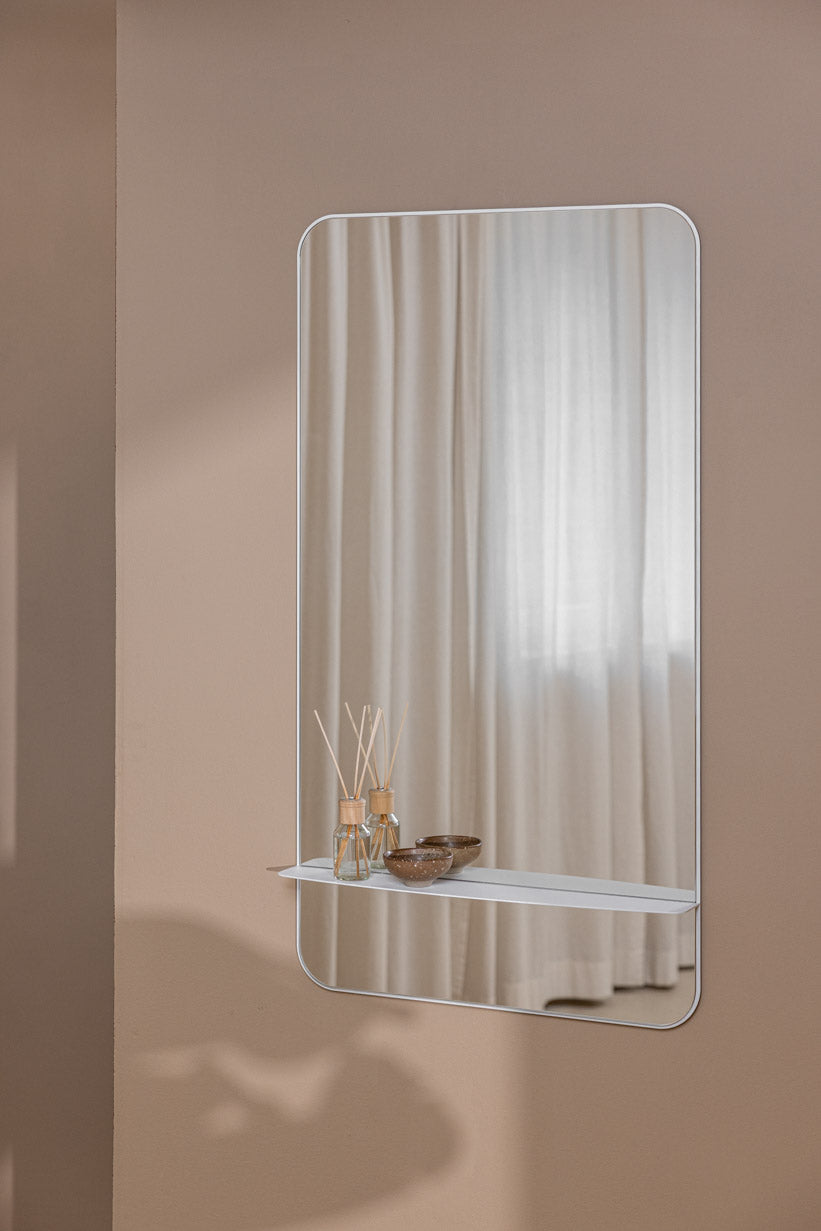
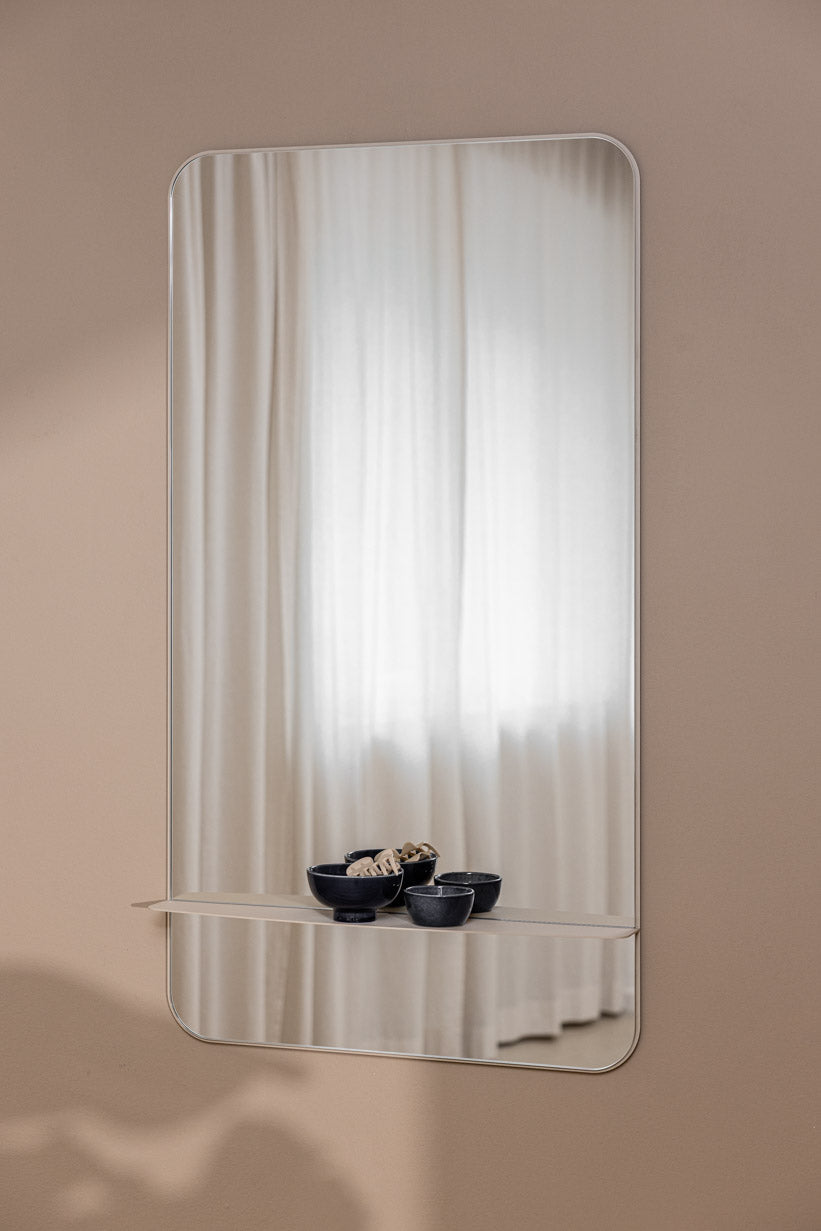
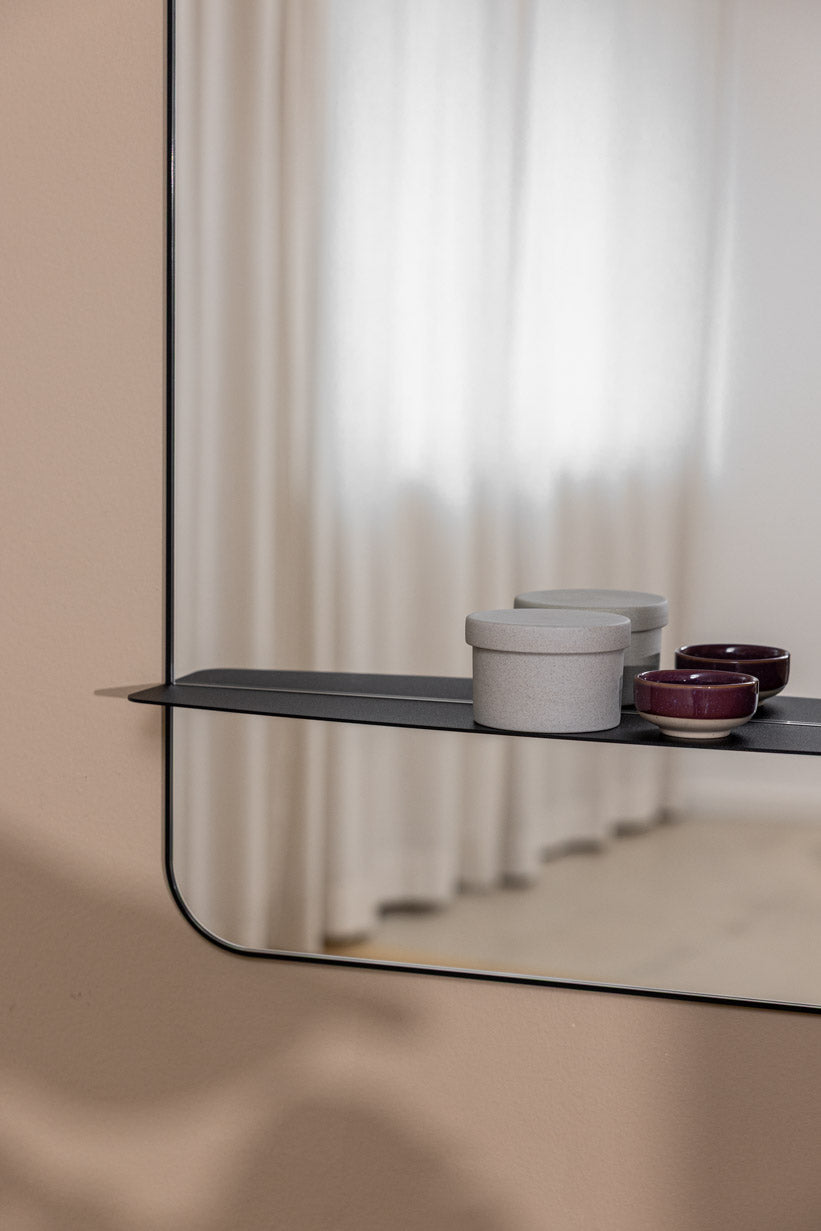
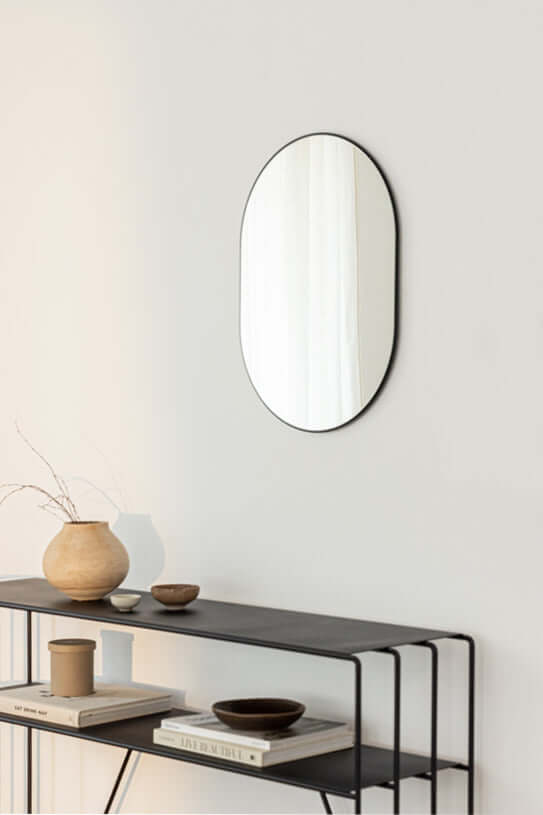
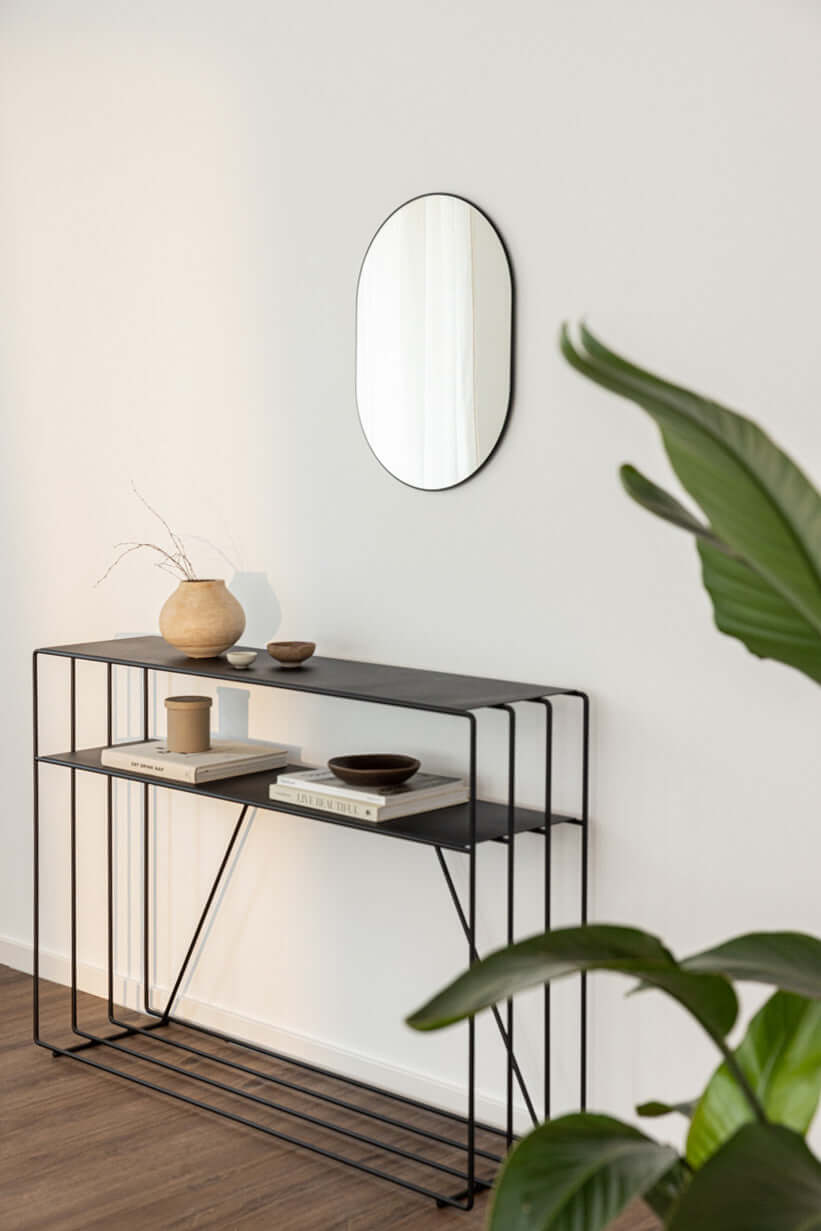
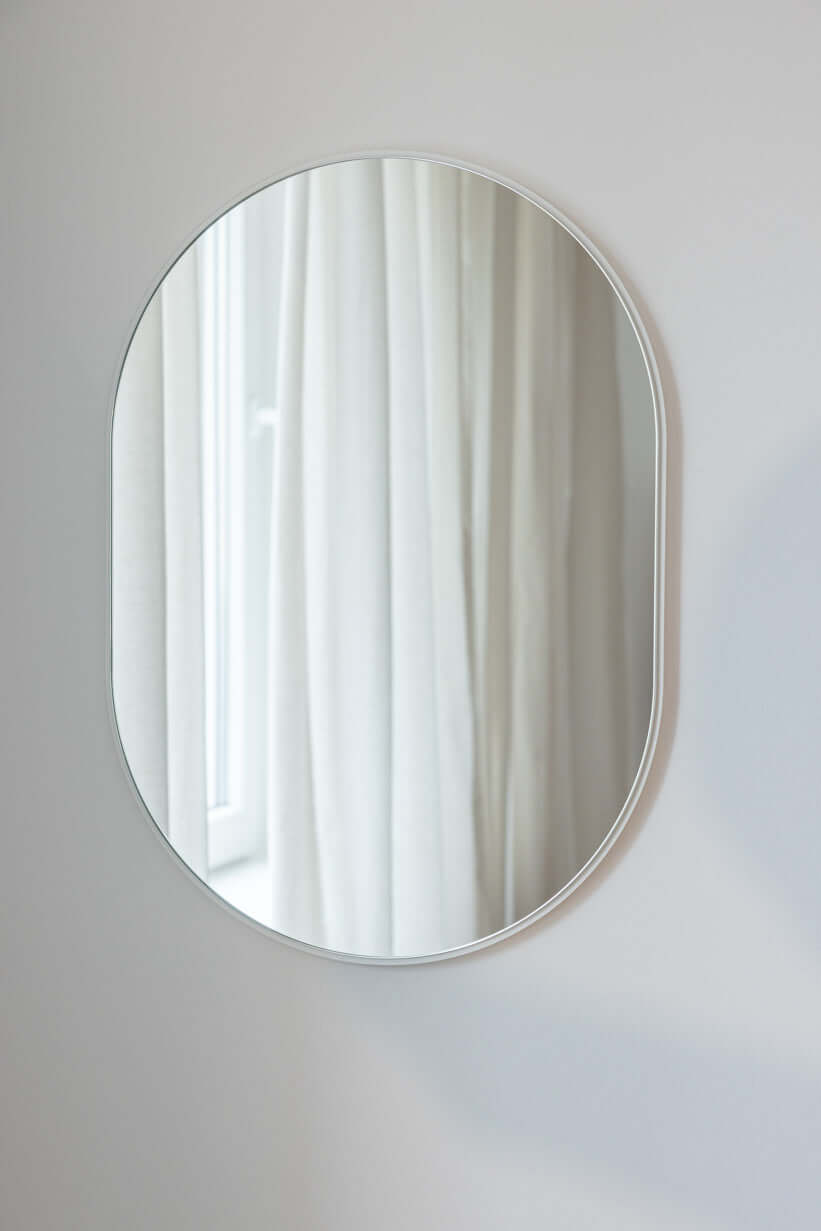
Mirrors are a simple and effective way to make small rooms appear larger. They reflect light, create depth, and open up the view.
Practical applications:
· Large wall mirrors opposite windows double the amount of incoming light.
· Mirrors as part of cabinet doors or shelving systems save space and create a sense of visual spaciousness.
· Groups of several small mirrors create interesting perspectives and look like works of art.
Tip: Round mirrors or mirrors with decorative frames can serve as eye-catchers without making the room feel cluttered.


Furnishing a studio apartment comfortably
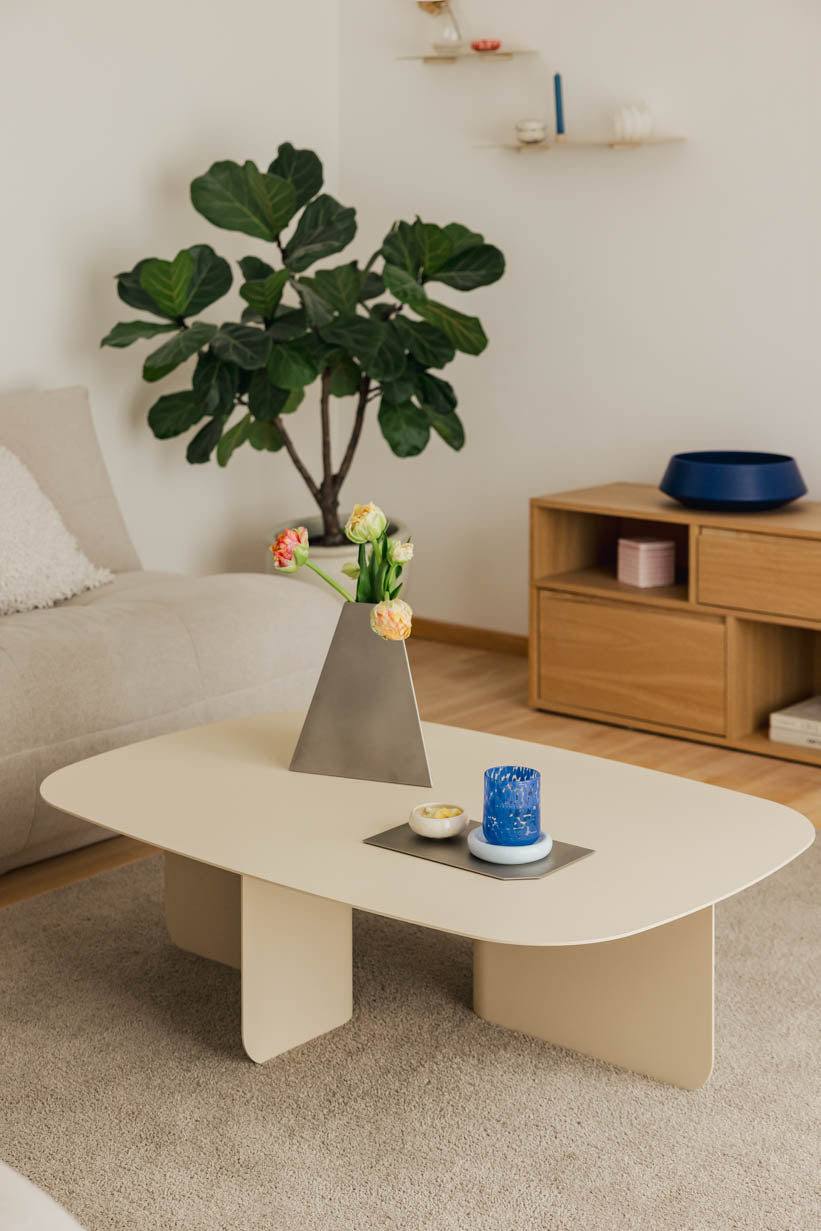
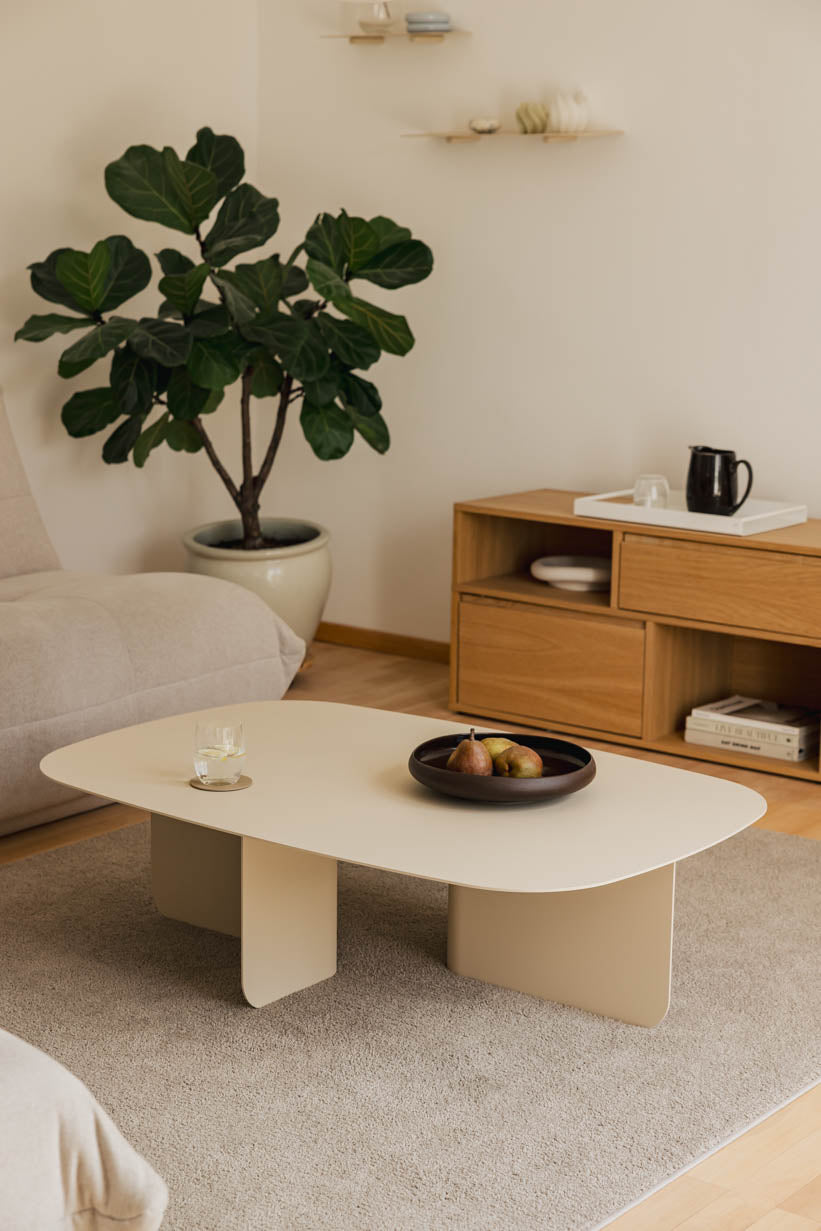
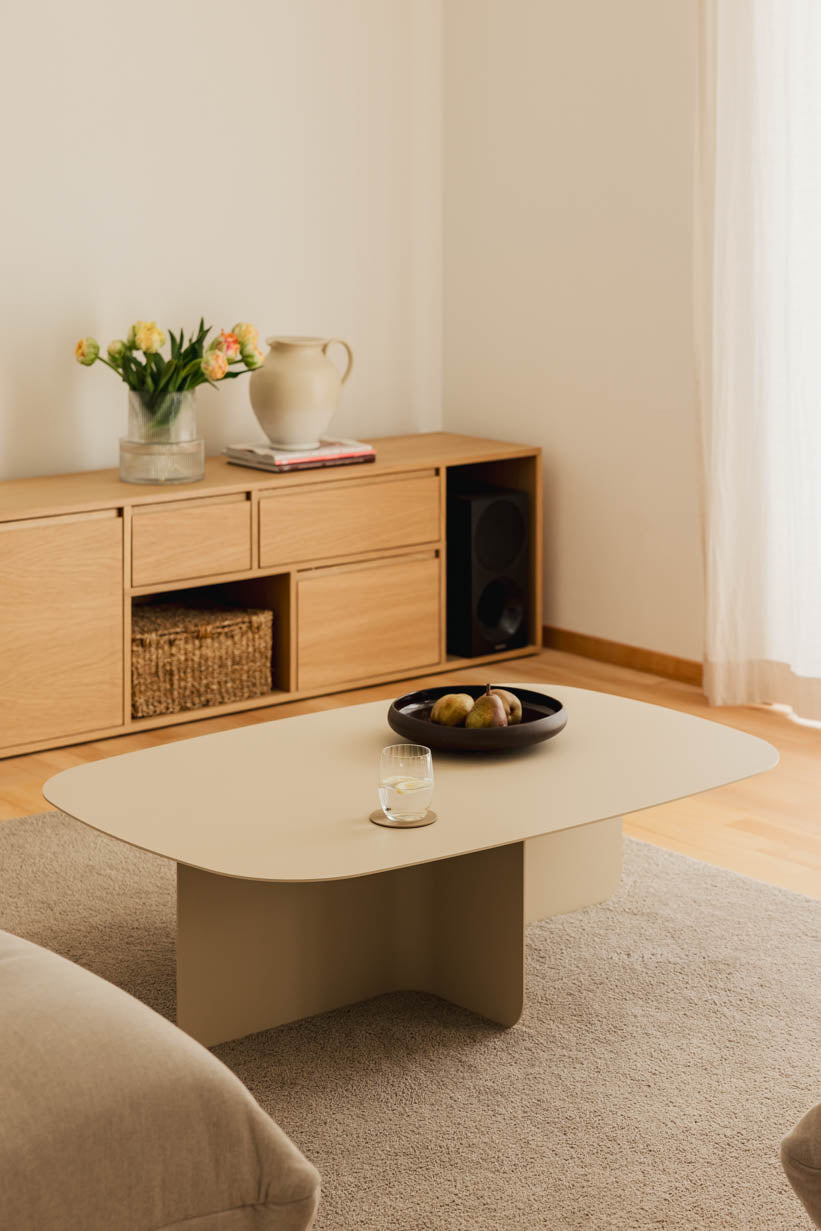
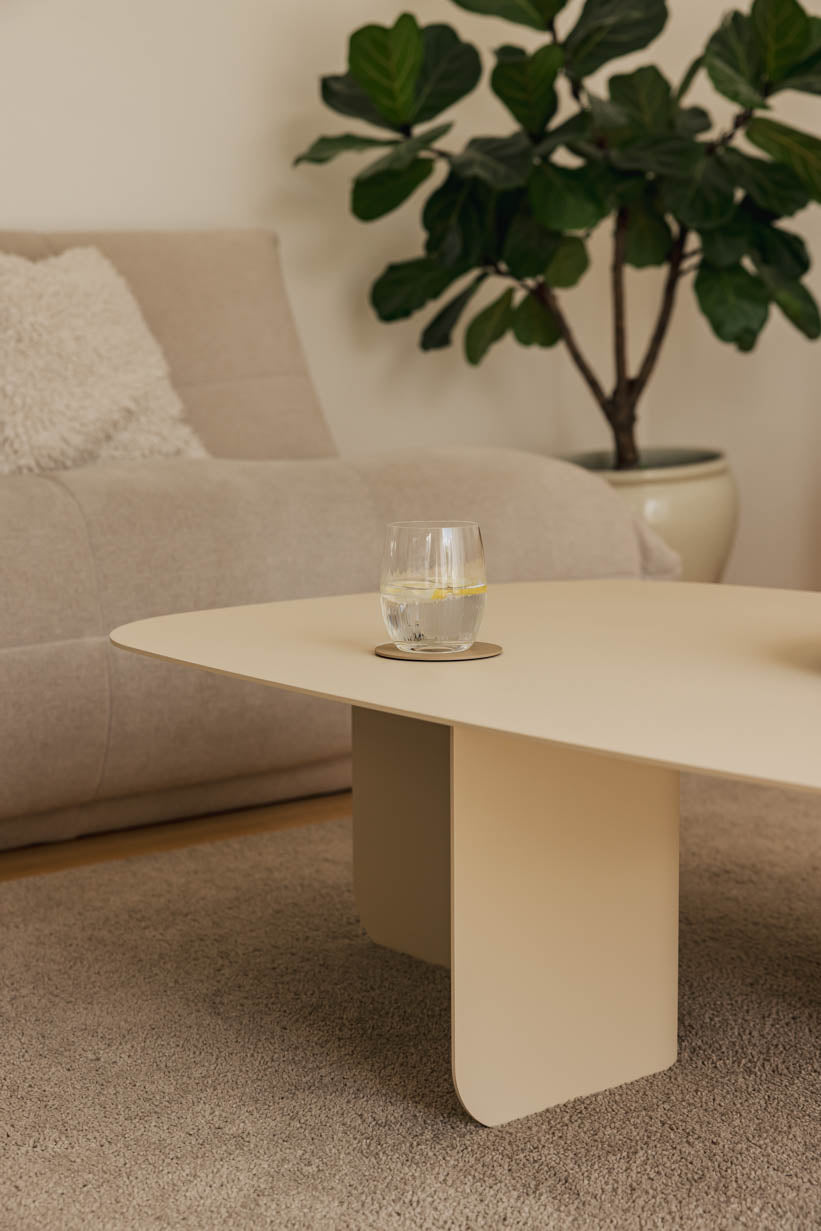
Ideas for coffee table decoration