

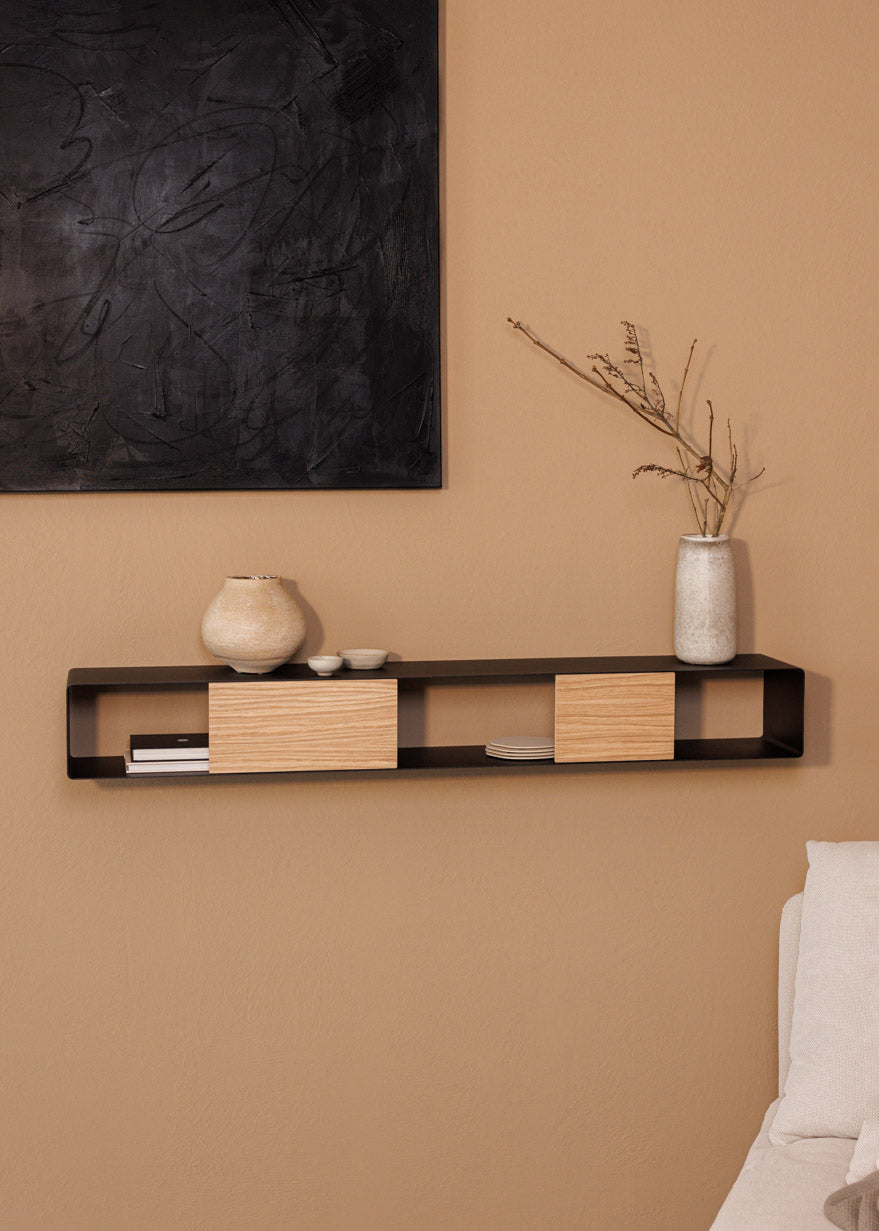
How do I furnish a hallway sensibly? Practical tips & ideas
Hallways are a challenge in many apartments and houses: they connect rooms but often offer little space and functionality. Nevertheless, every hallway can be designed to be practical, stylish, and cozy. In this article, we show you how to furnish a hallway sensibly – from the right furniture to clever tips for a greater sense of space.

Challenges of hallways
A hallway has special requirements. It must not only serve as a connection between rooms but also provide storage space and remain visually appealing. The biggest challenges are:
· Limited space: Hallways are often narrow or small.
· Keep pathways clear: Furniture must not block the paths.
· Combine function and aesthetics: Practical solutions should also be visually harmonious.
Those who pay attention to these points can turn even a small passage room into a useful and beautiful area.

These pieces of furniture are perfect for passage rooms.
The right choice of furniture determines how functional a passage room is. Ideal are space-saving and flexible furniture:
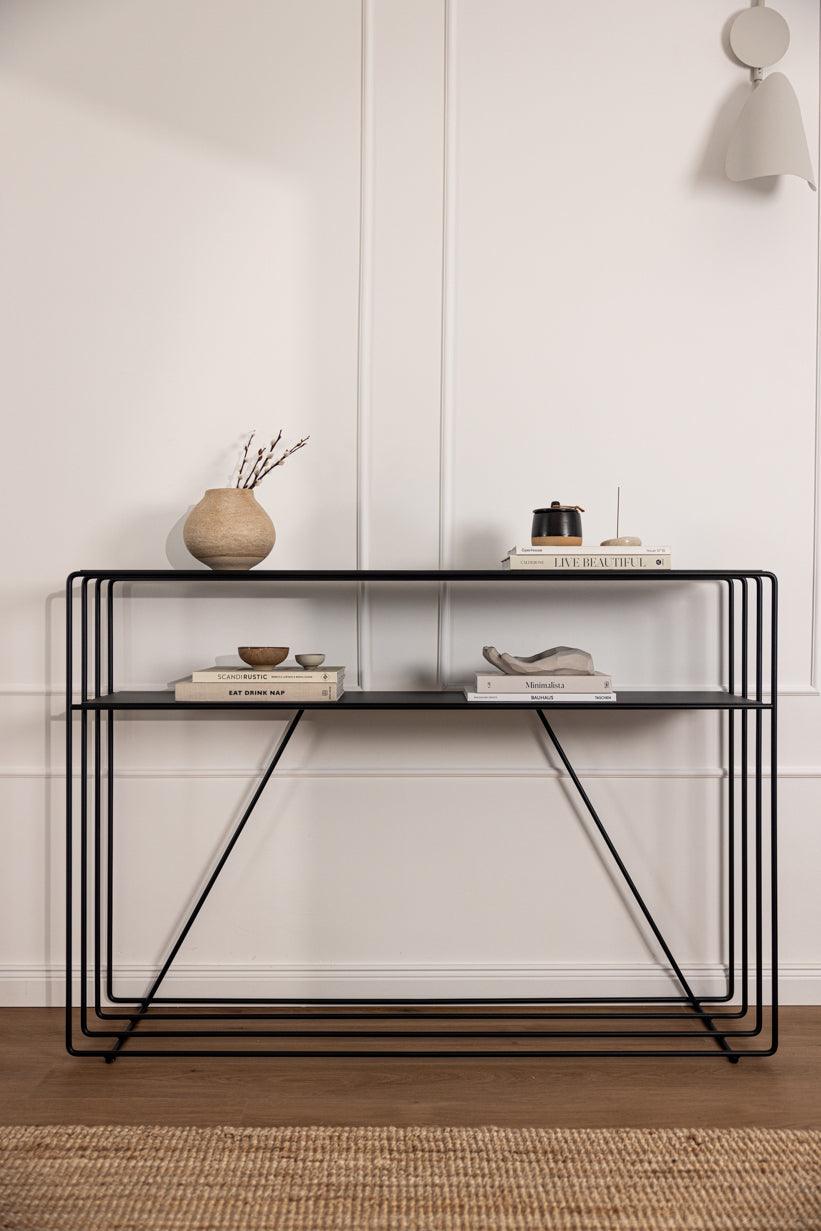
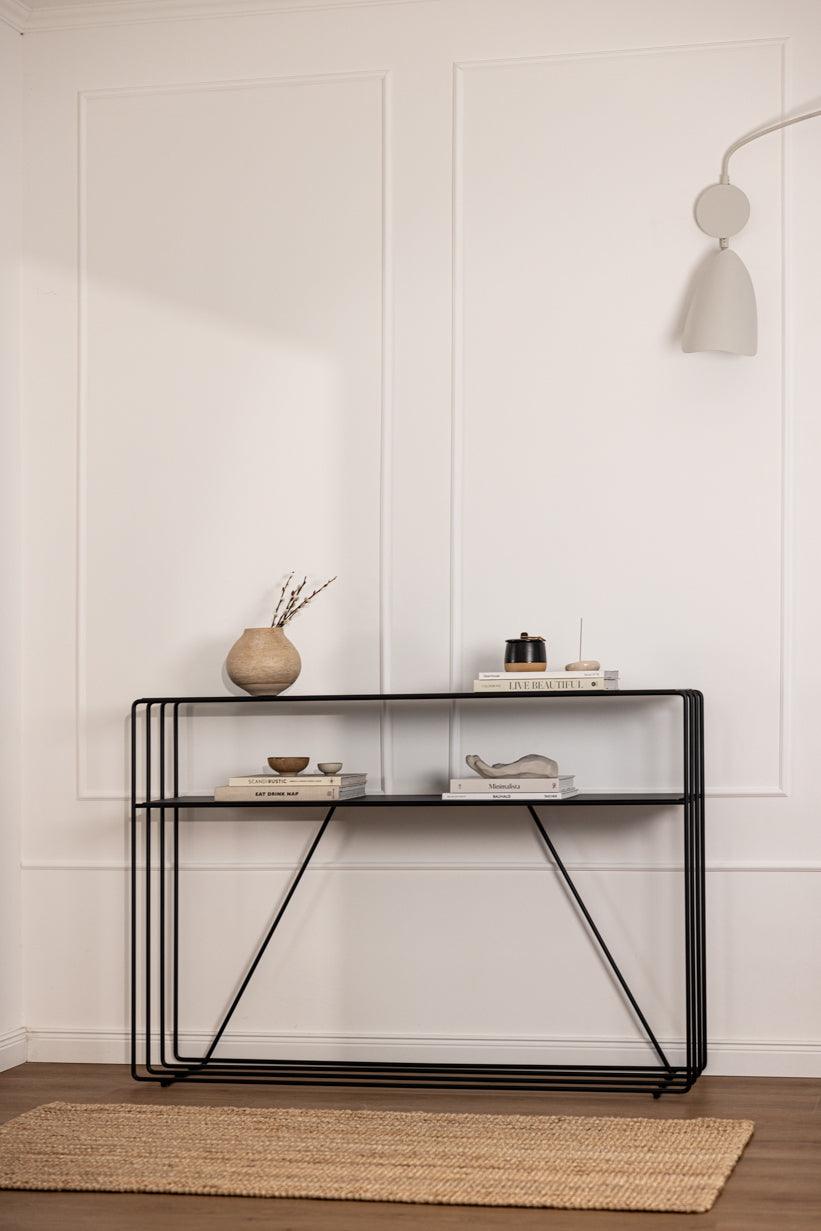
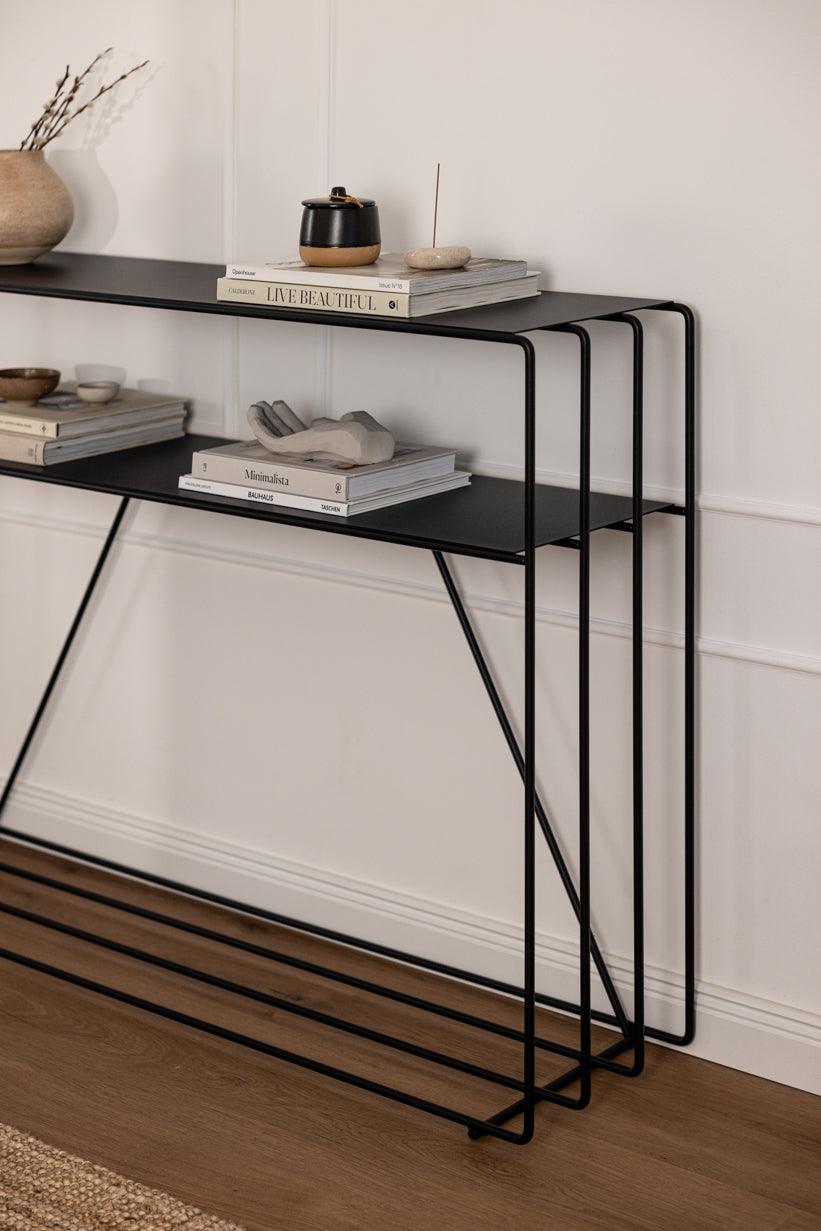
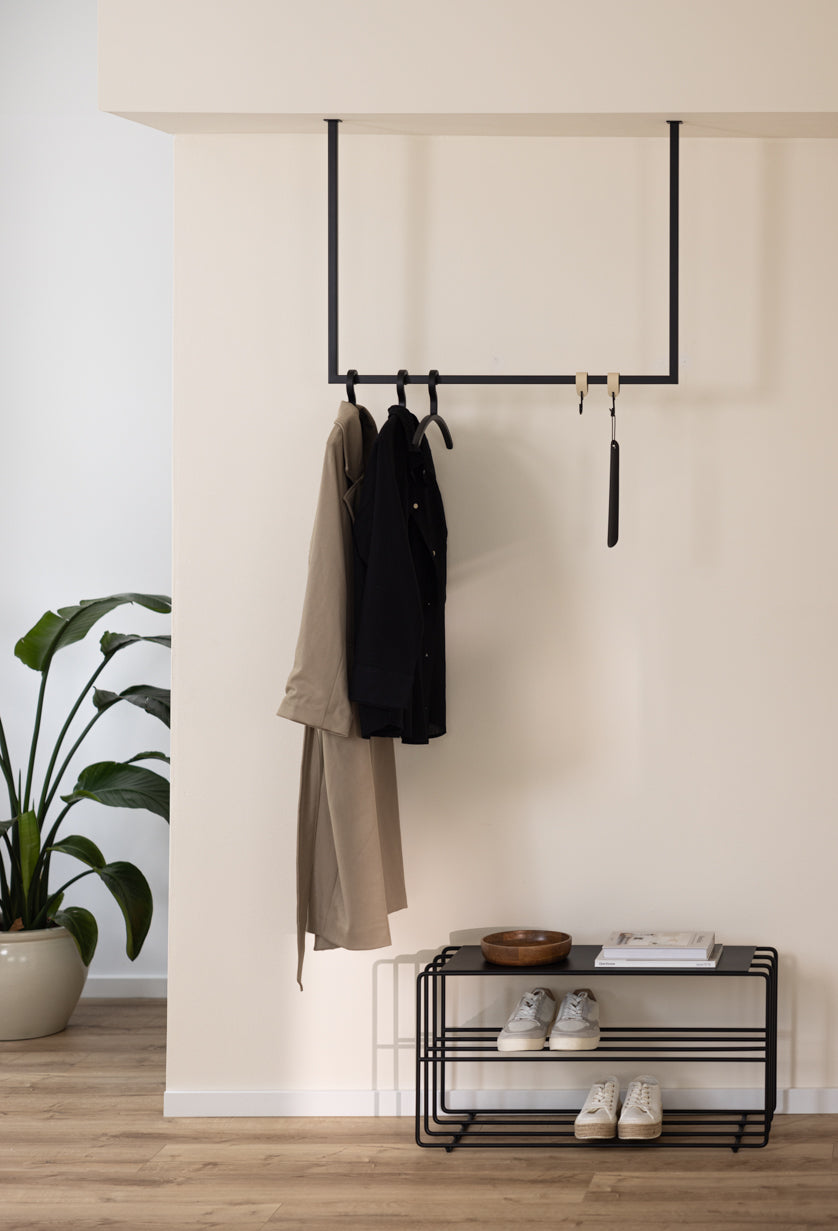
· Narrow consoles and sideboards: Provide storage space without blocking the passage area.
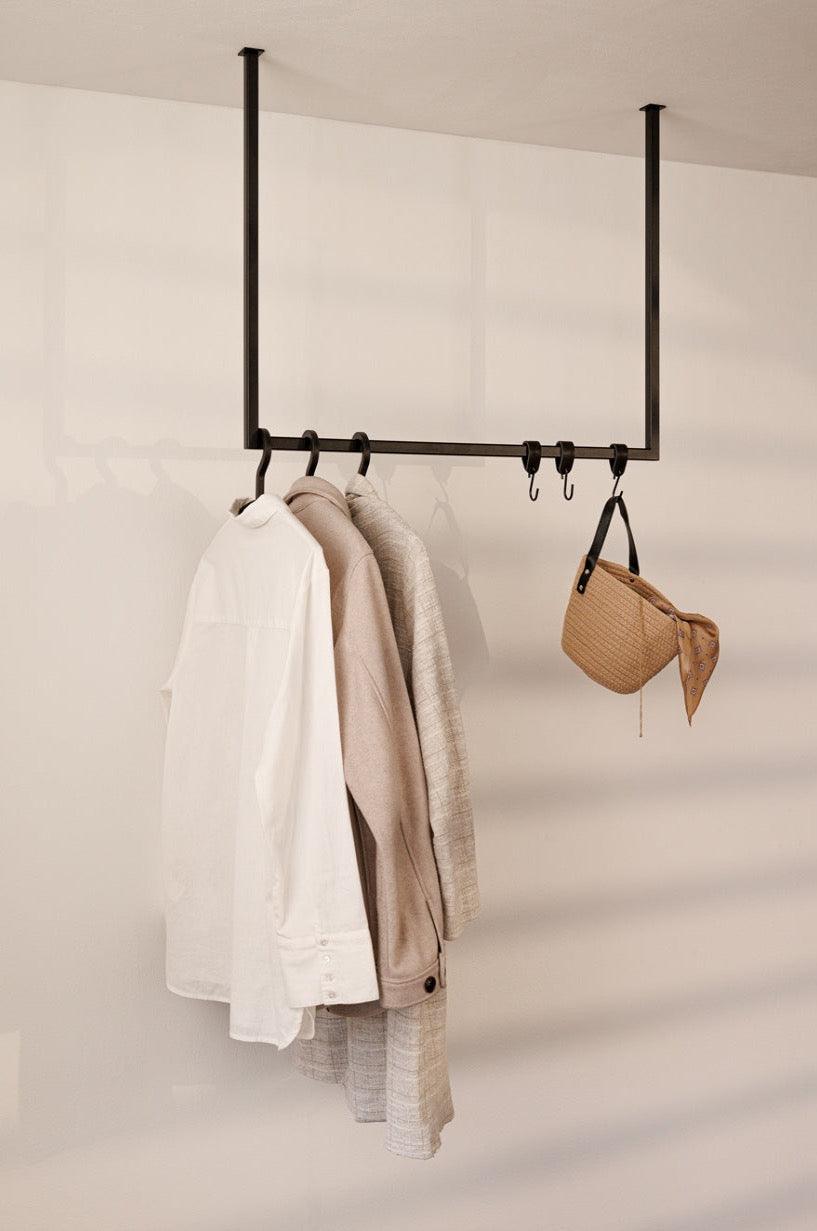
· Wall shelves or hanging cabinets: Utilize the height of the room and keep the floor clear.
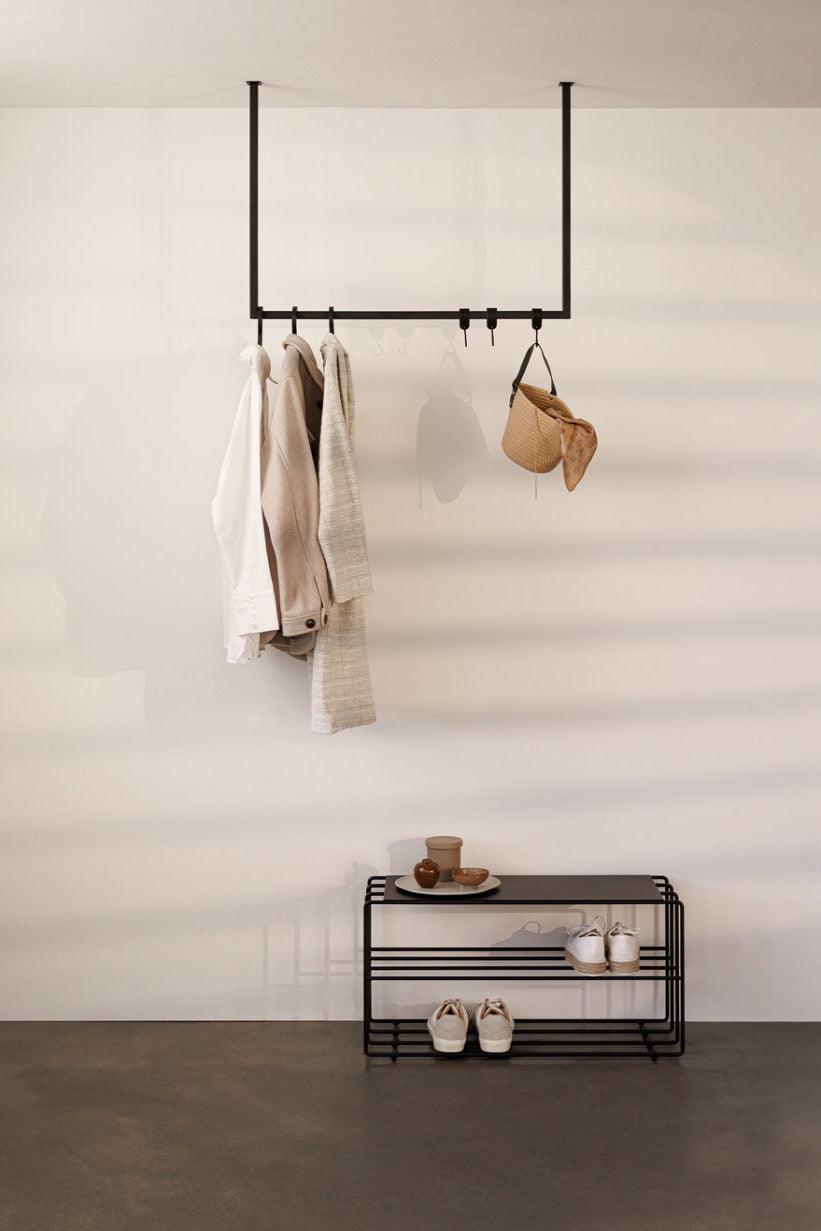
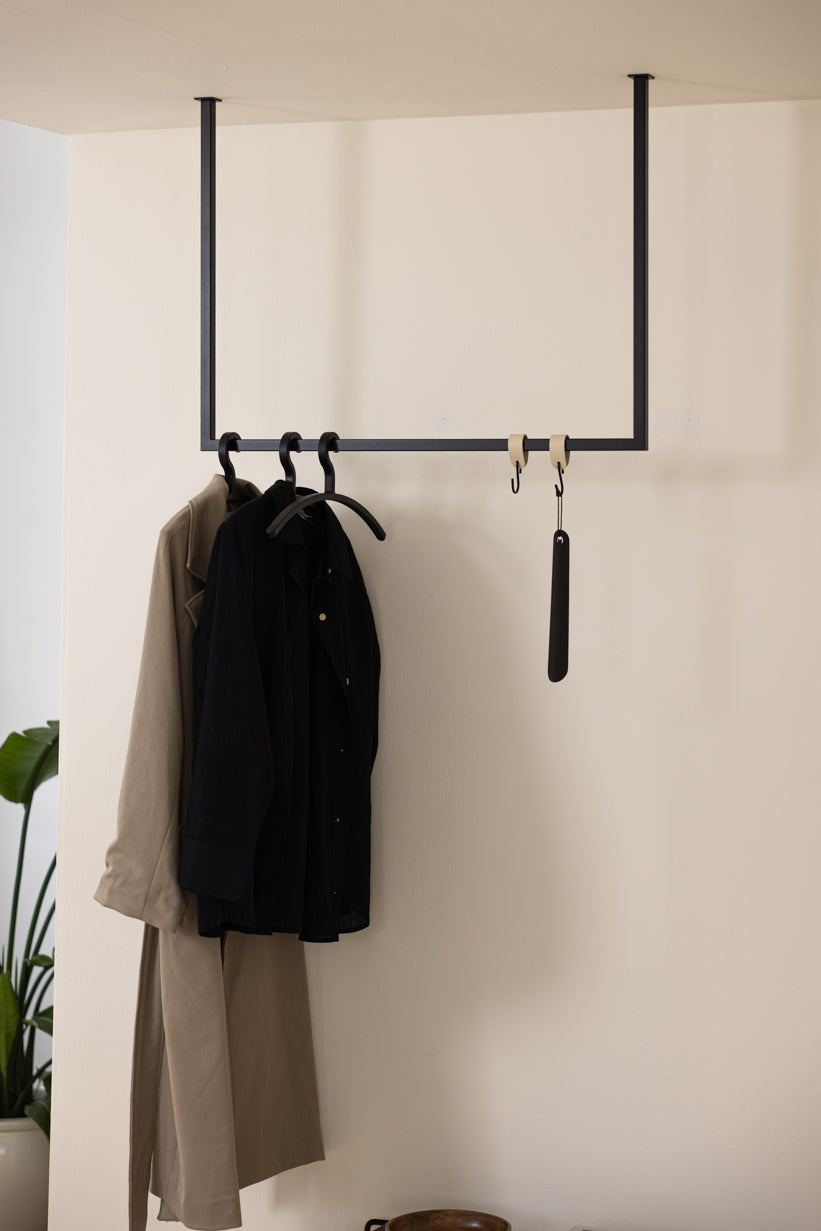
· Multifunctional furniture: Benches with storage, coat racks, or foldable shelves.
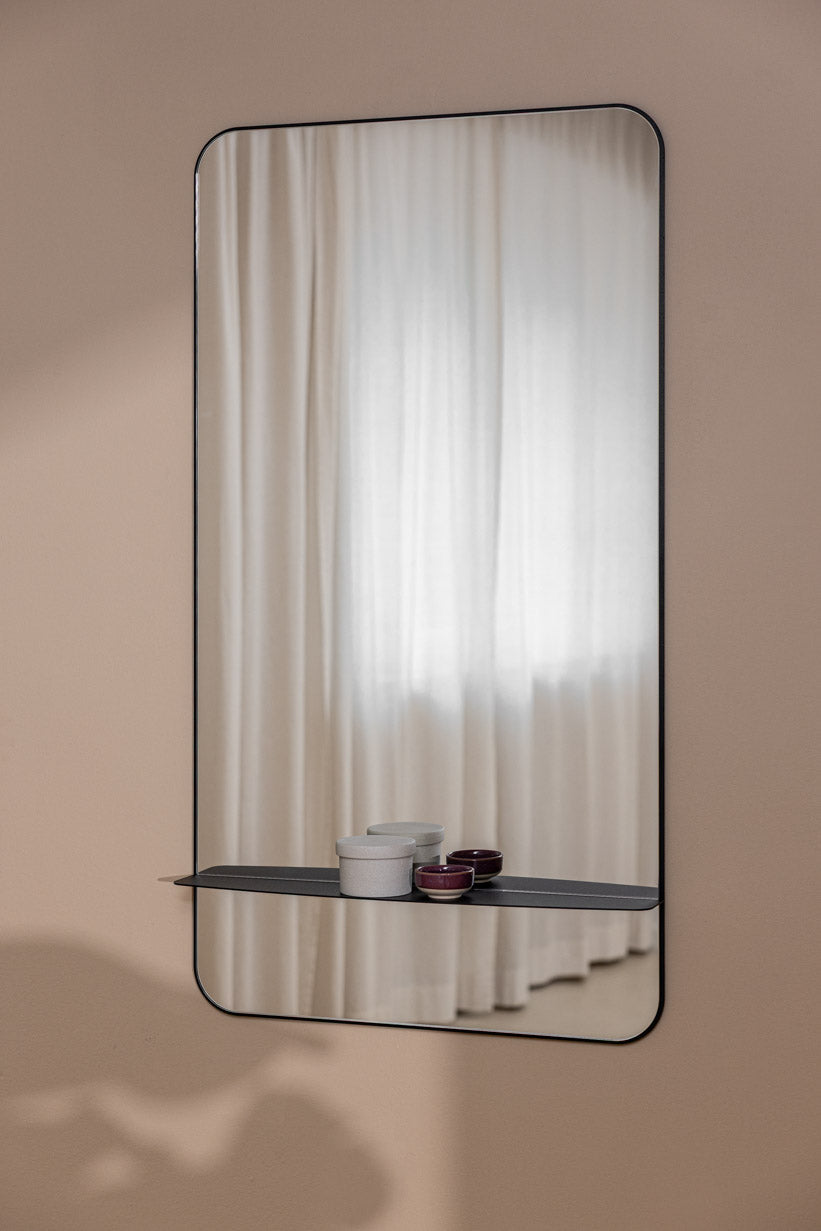
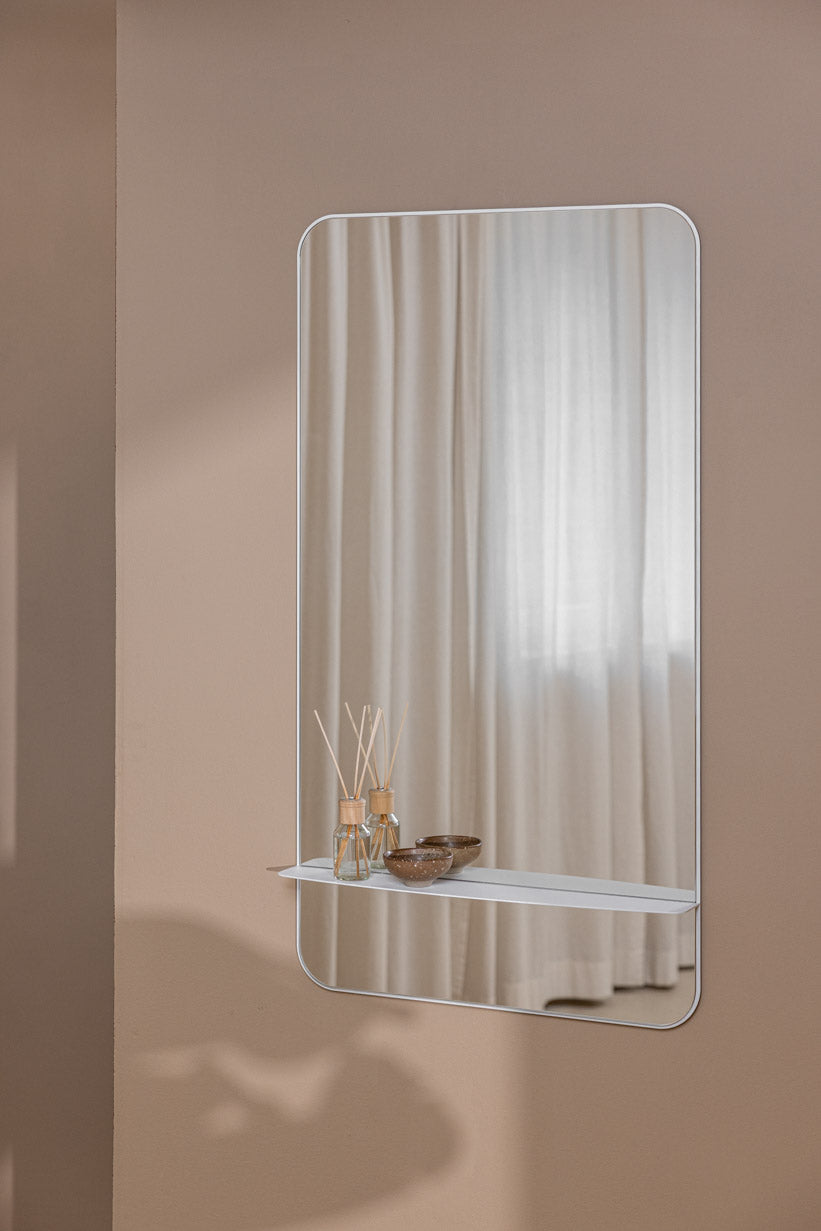
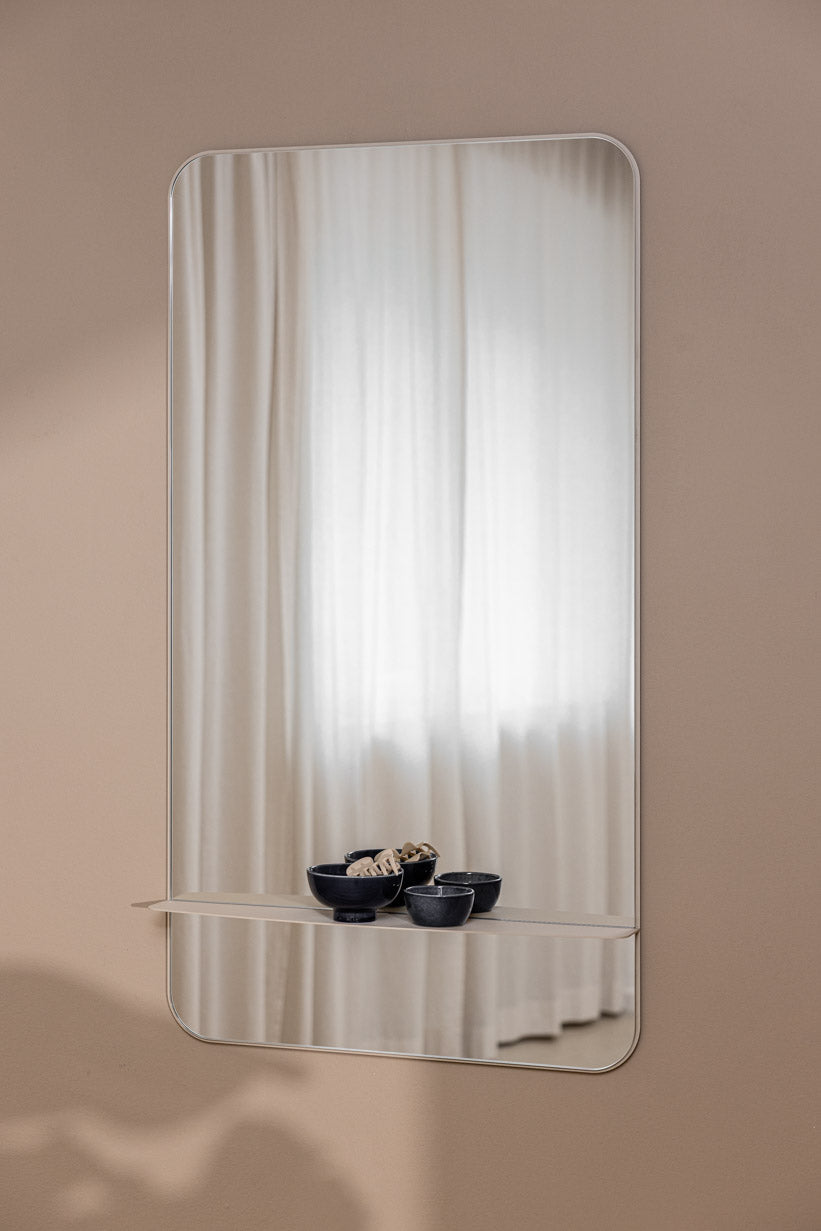
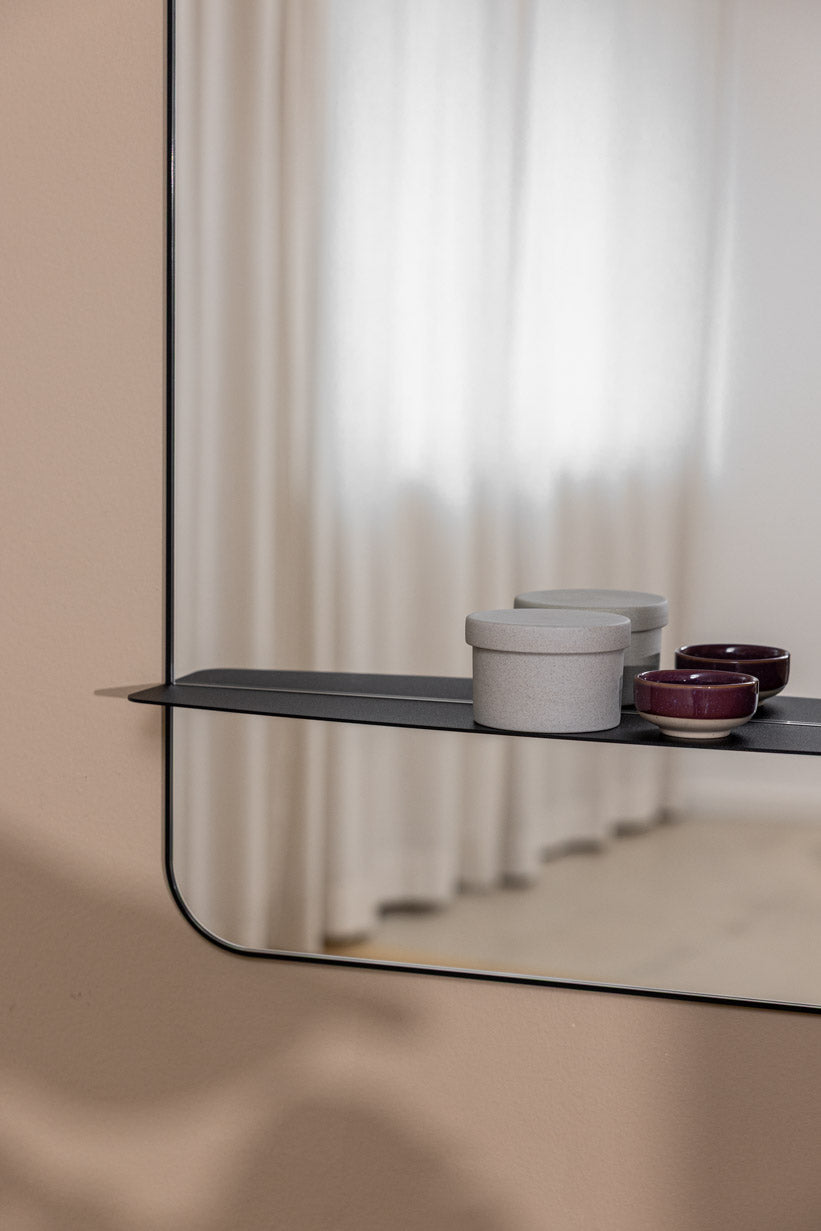
· Mirrors: Visually enlarge the space and reflect light.
With the right selection, the passage room appears organized and tidy, without feeling cramped.

Keep pathways clear and create clear passage areas.
A passage room thrives on free walking paths. Pay attention to:
· Only place furniture that does not obstruct the way.
· Use walls for shelves or hooks instead of cluttering the floor.
· Create clear lines: A tidy floor makes the space feel larger and airier.
This prevents tripping hazards and makes the room functional.
Tips to create a visually larger space
Even small passage rooms can feel spacious. With a few tricks, you can create a greater sense of space:
· Light colors: Walls and furniture in light tones make the room appear larger.
· Use mirrors: Reflective glass enhances the depth of the room.
· Uniform flooring: Continuous floors connect adjacent rooms and create openness.
Minimalist decoration: Less is more – this makes the room look tidy and open.

Incorporate routines: Everything has its place
A passage room works best when everything has its designated place. This principle operates on multiple levels: on one hand, it ensures that the space remains usable at all times and pathways remain clear. On the other hand, it provides our brain with structure and reduces stress – we don’t have to constantly think about where things are, but automatically reach for the right item. By having keys, mail, jackets, or shoes always in the same place, a system is created that brings order and simplifies everyday life. Combined with clear pathways, cleverly selected furniture, and optical tricks, a narrow, often underestimated space becomes a practical, tidy, and simultaneously pleasant area that is both functional and aesthetically pleasing.


Furnishing a Small Apartment
What can be done about chaos in the hallway?