



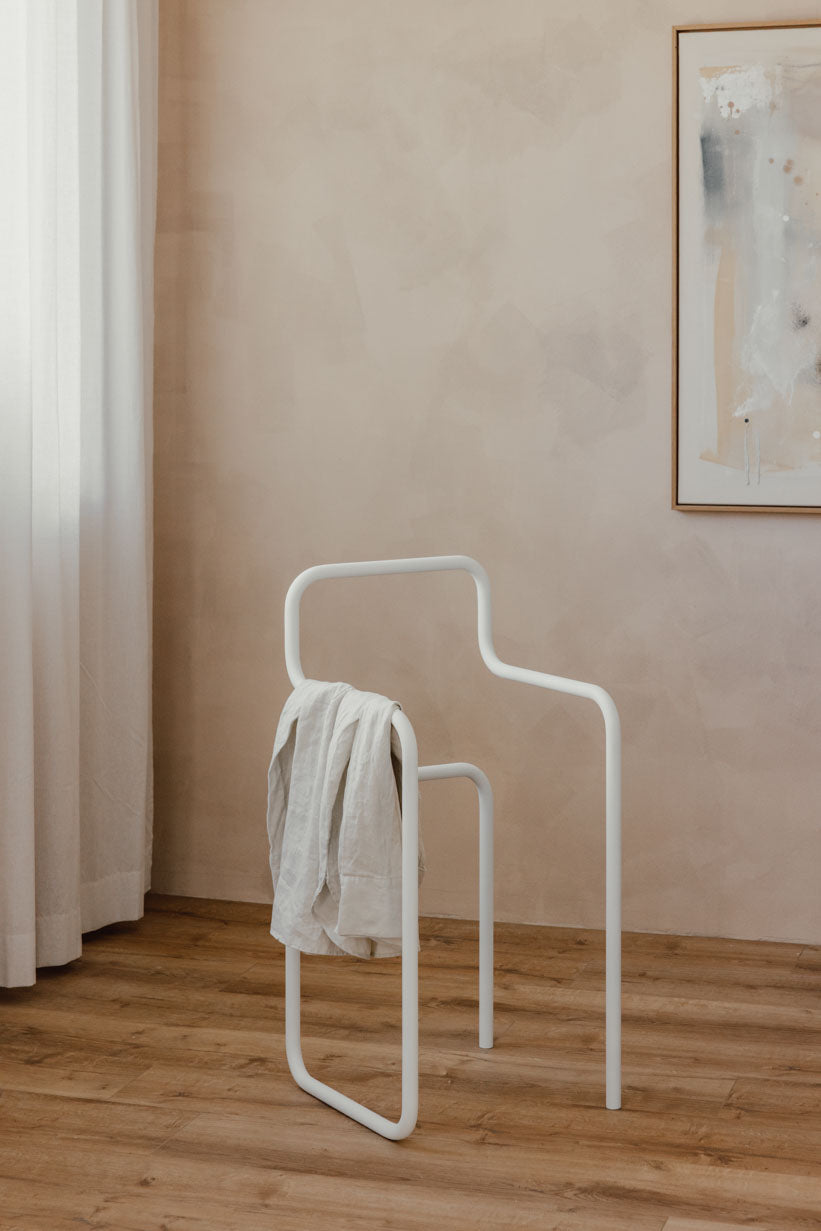
Less is more
Minimalism is more than just an interior design trend – it's a lifestyle. In living spaces, it primarily means clarity, tranquility, and consciously foregoing the superfluous. Those who live minimally choose quality over quantity and create space for what truly matters. In this article, you'll learn how minimalism can impact every area of your home – and why less really is sometimes more.

Room by room: Minimalism in every area of your home
Minimalist living doesn't mean living in a bare room. Rather, it's about designing every area of your home to be functional and streamlined – without sacrificing comfort or style.
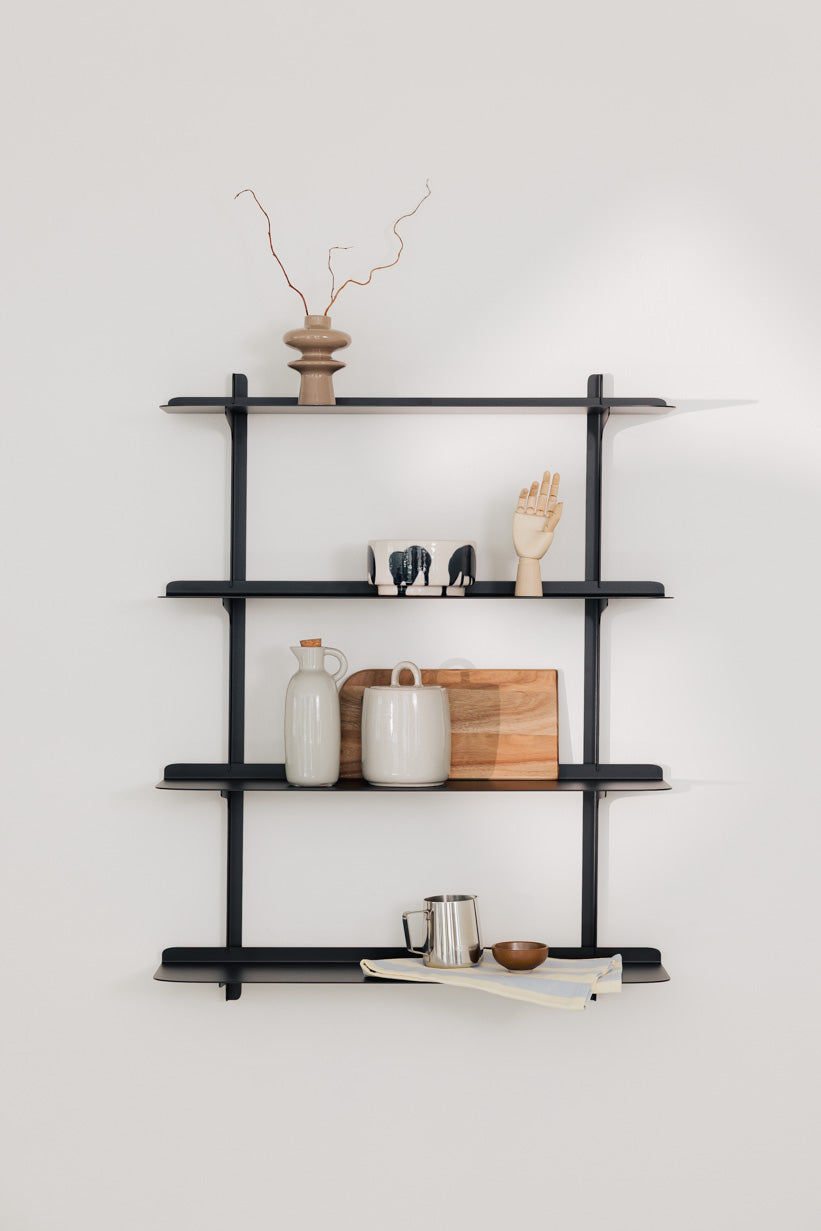
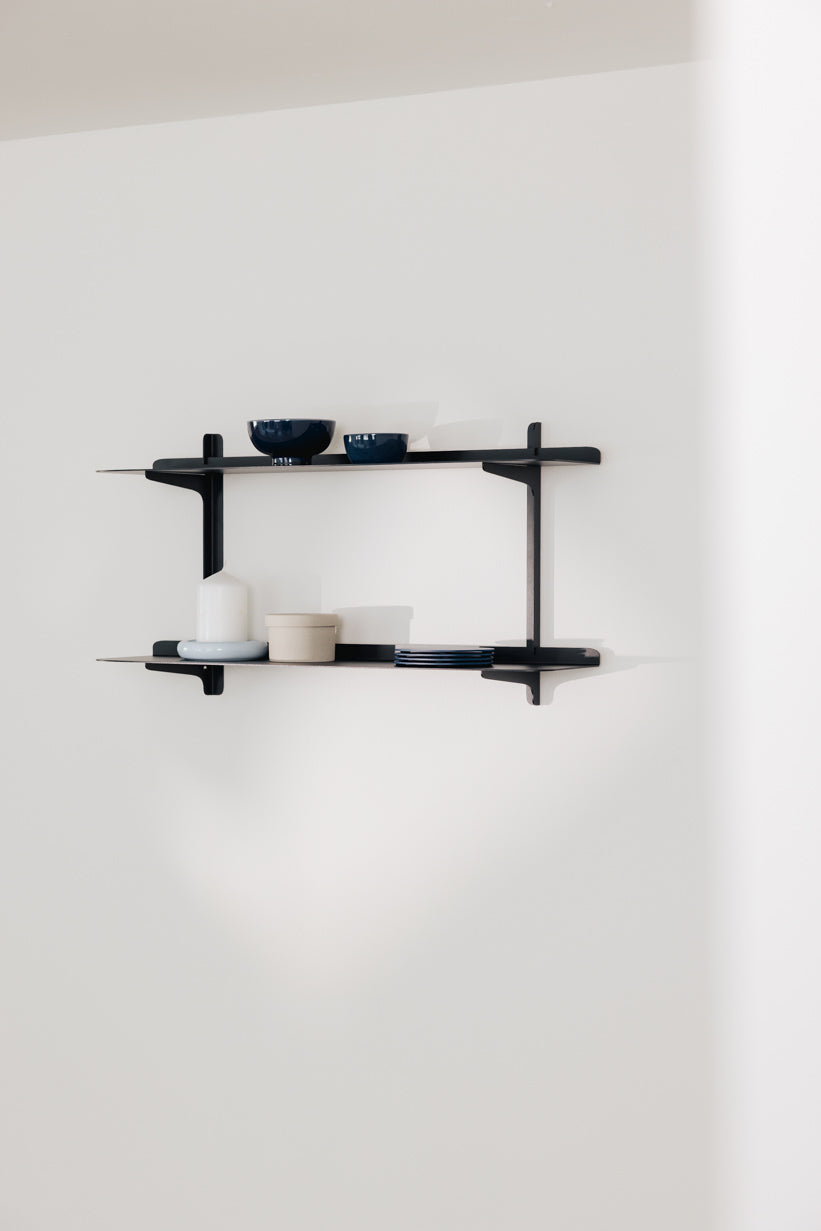
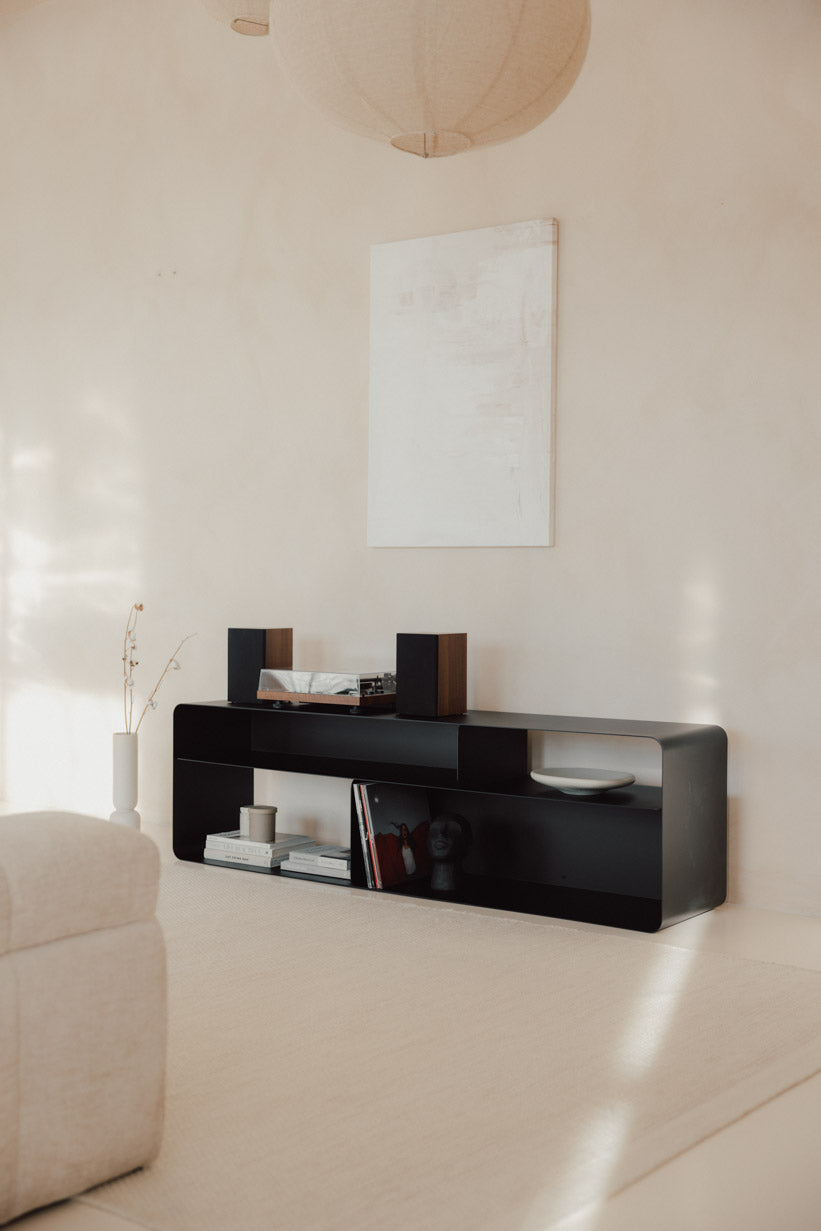
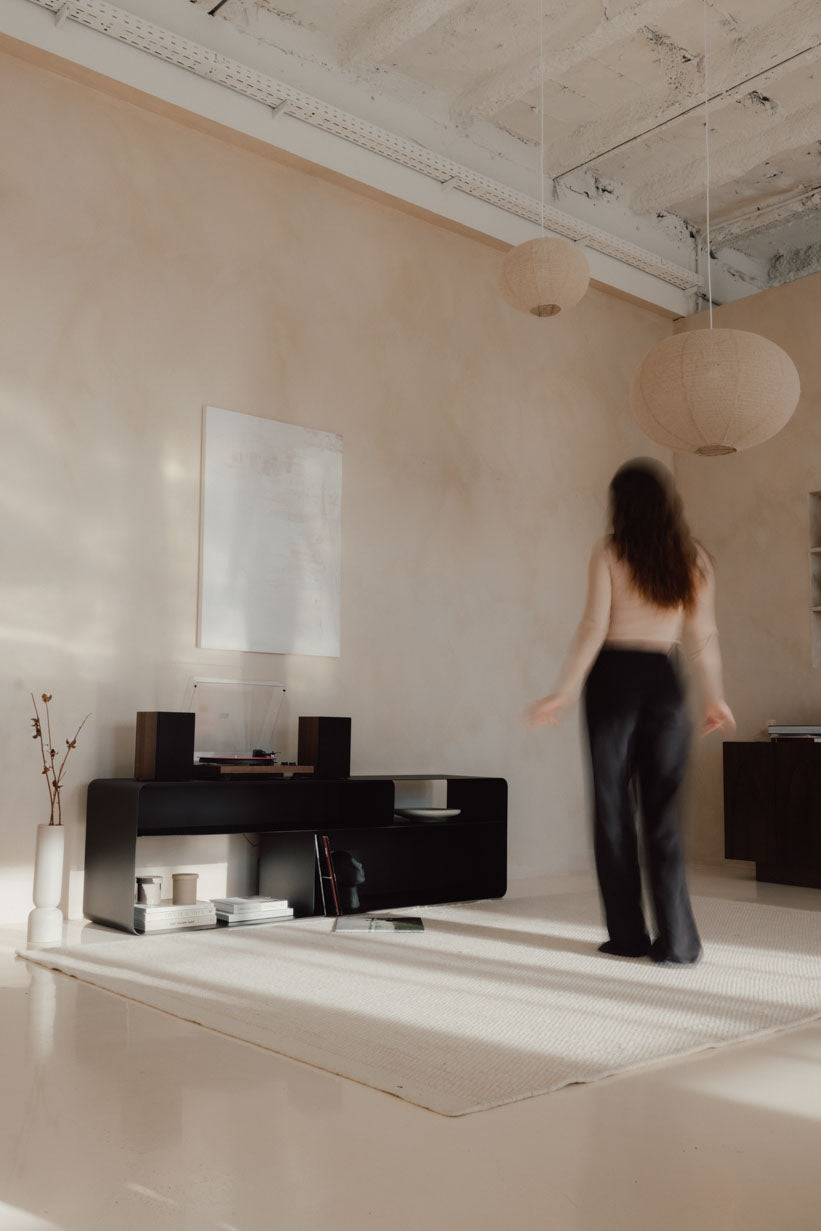
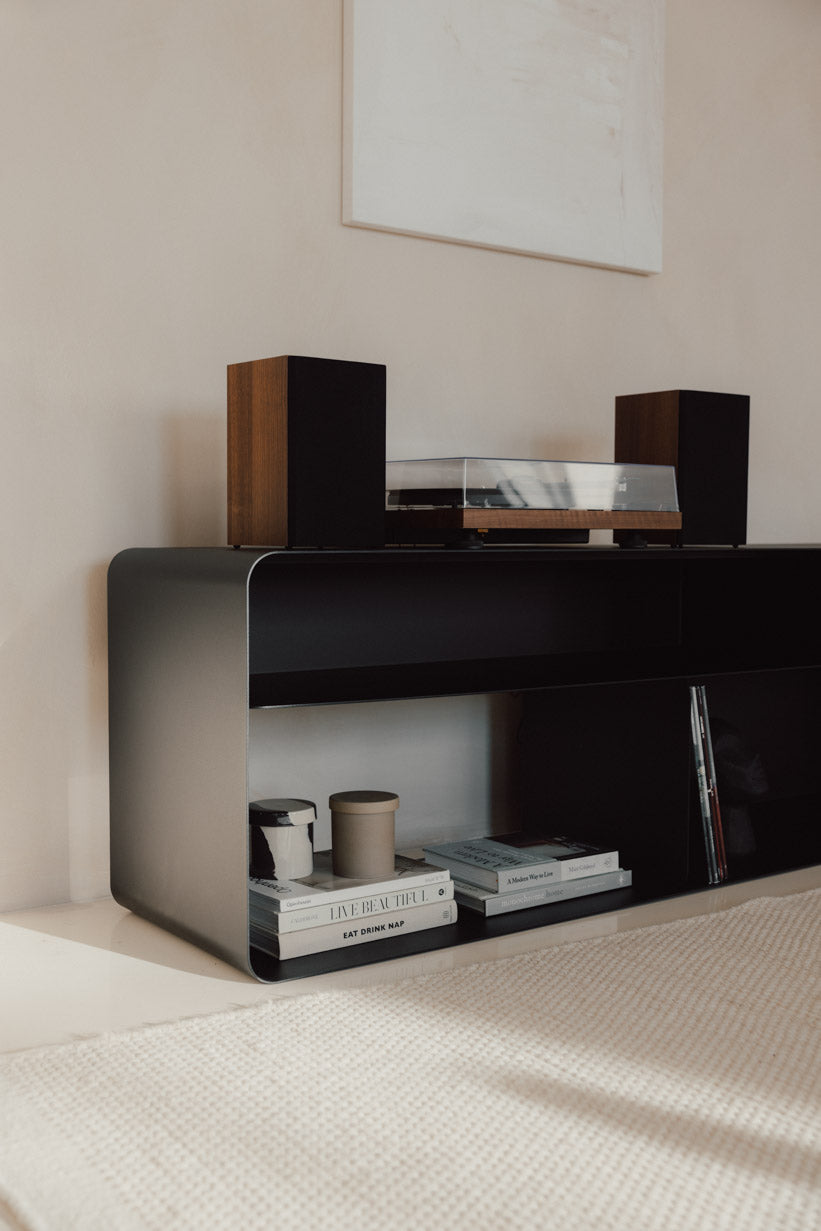
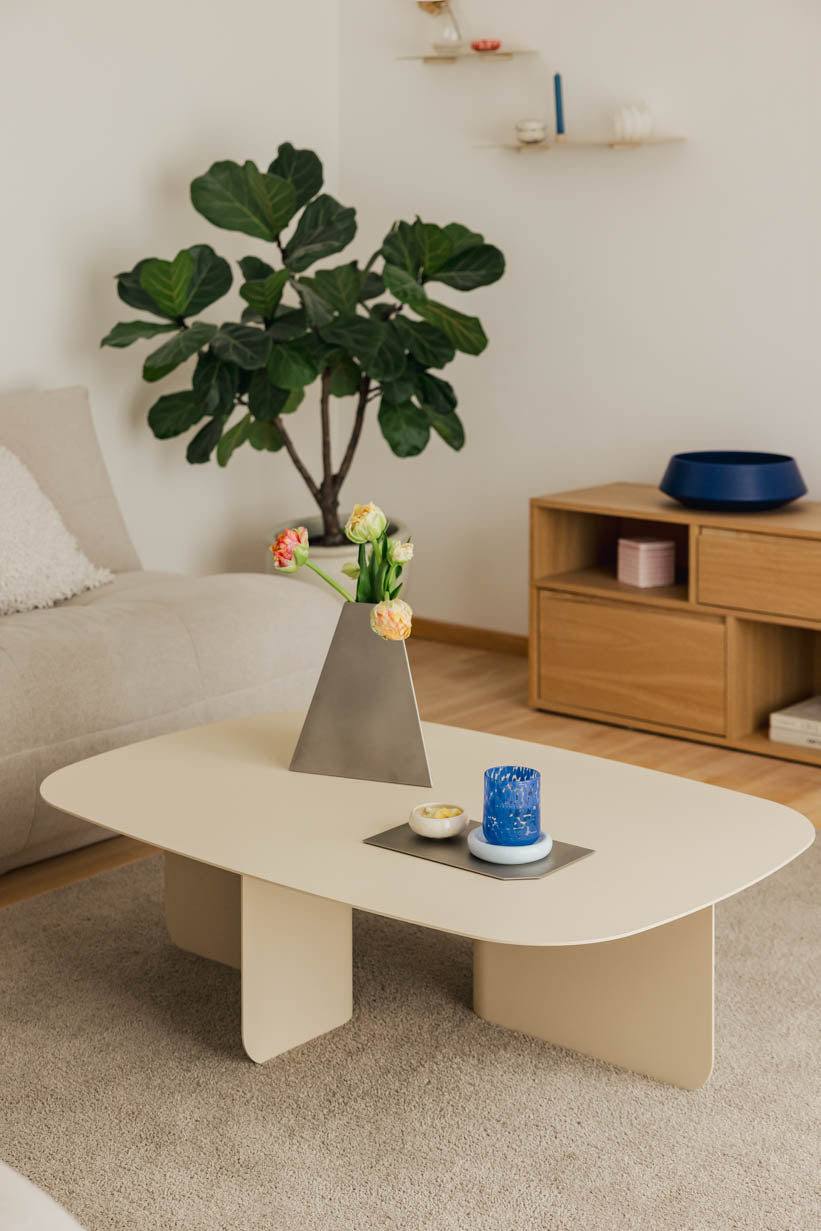
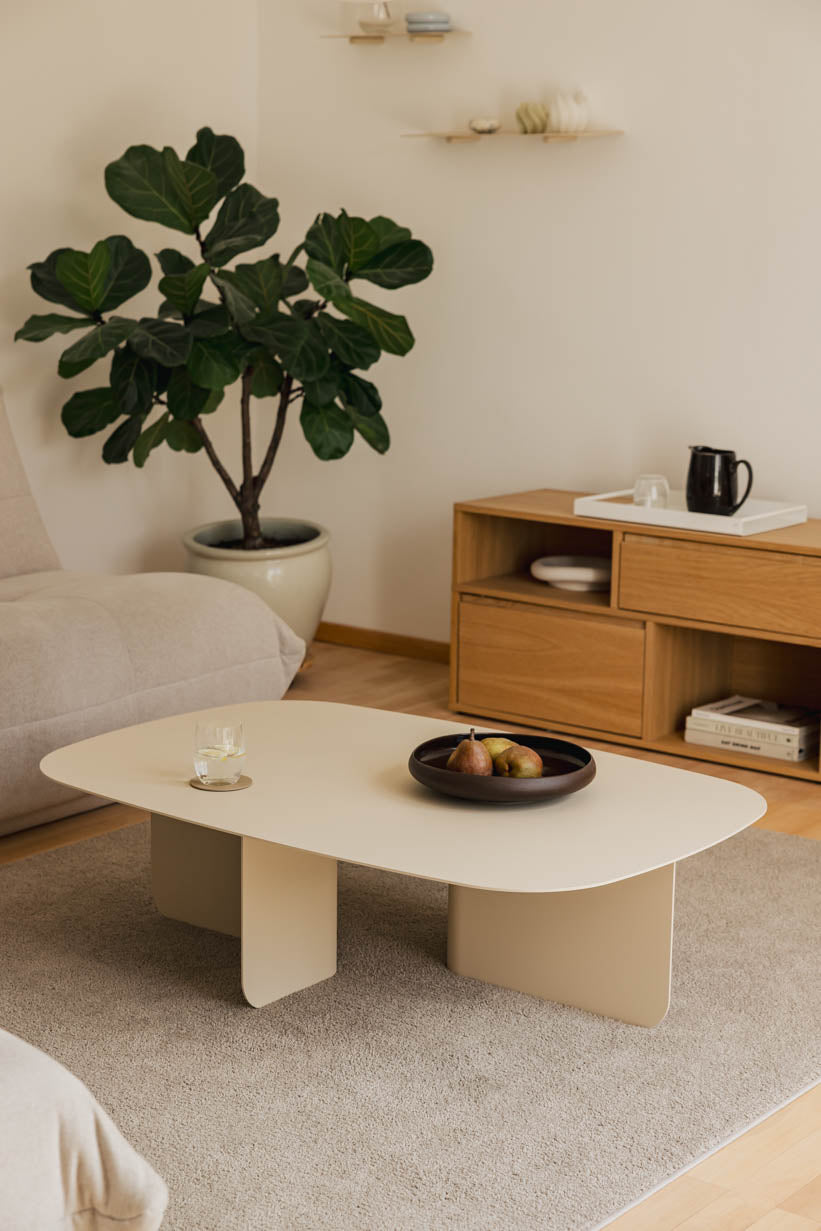
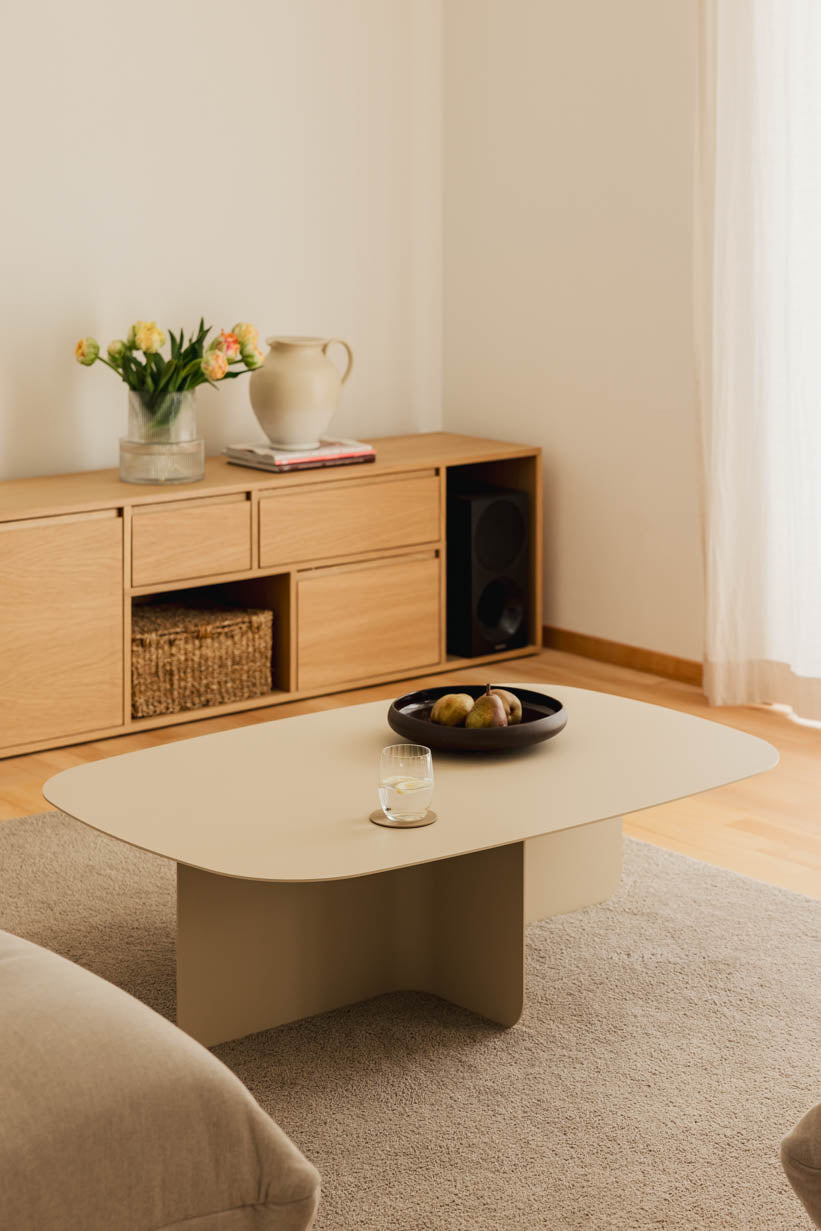
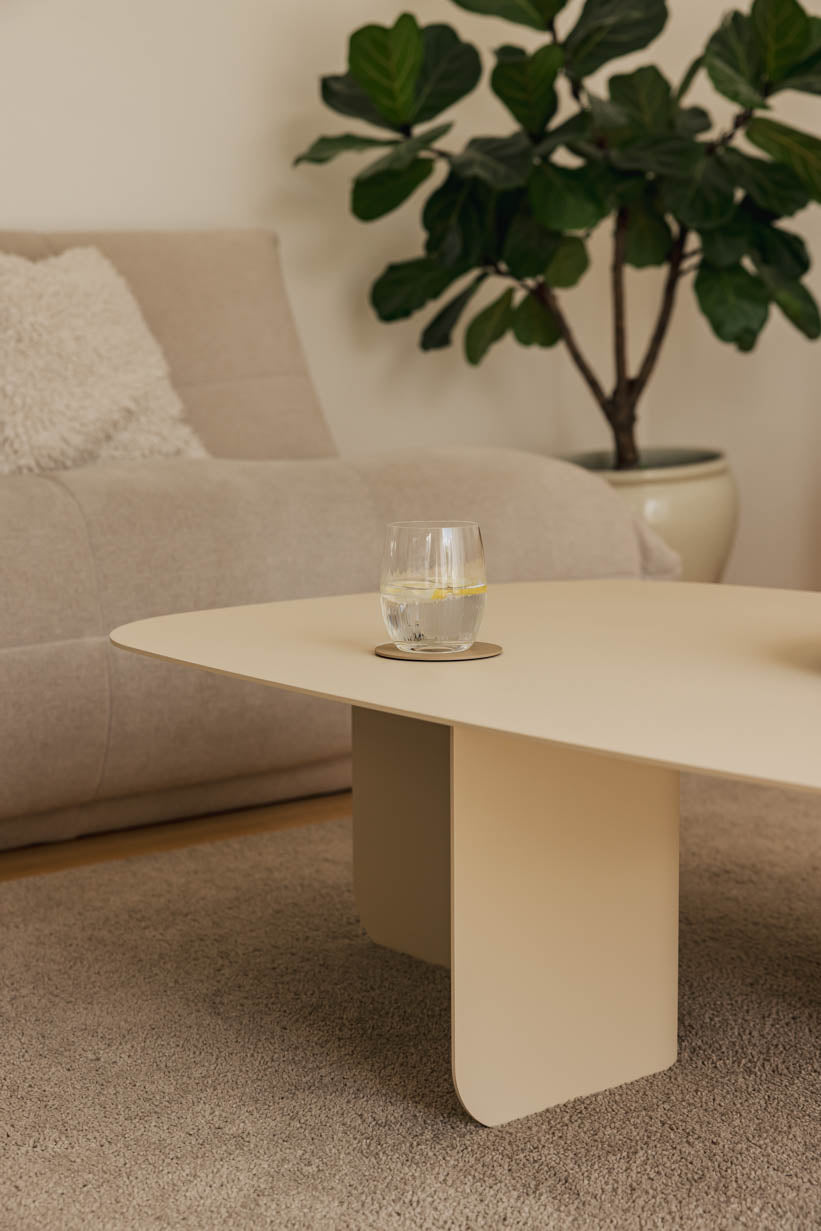
· Living room: Choose a few, high-quality pieces of furniture – for example, a simple sofa, a coffee table with a clear design language and a open shelf instead of a closed wall unit.
· Bedroom: Reduced colors, no unnecessary clutter, simple textiles – this creates a peaceful retreat.
· Kitchen: Handleless fronts, clean lines and open shelves create a tidier look. Only store what you actually use.
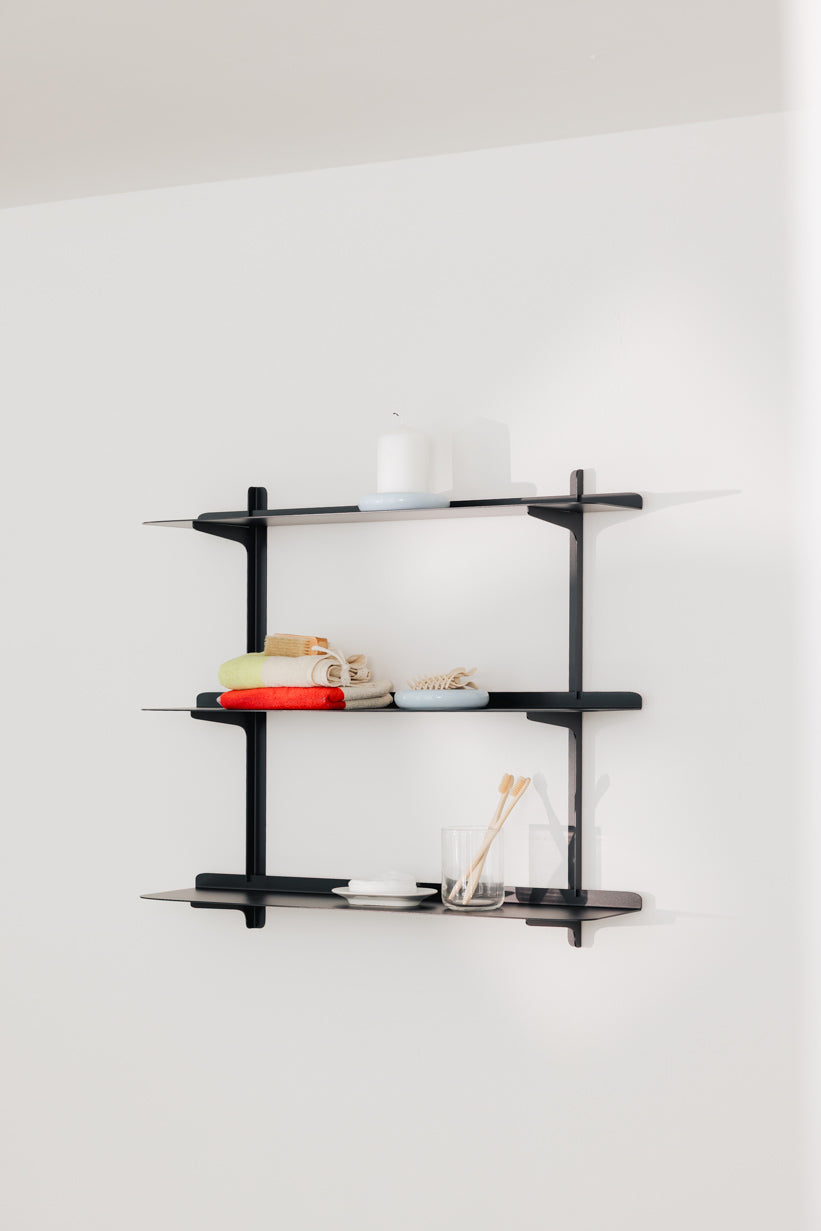
· Bathroom: Clear surfaces, minimal visible products, subtle colors – for a clean, airy feeling.
· Workplace: Less distraction, more focus – with a tidy Desk, minimalist decor and clever storage space.

Colors, shapes and materials in minimalist design
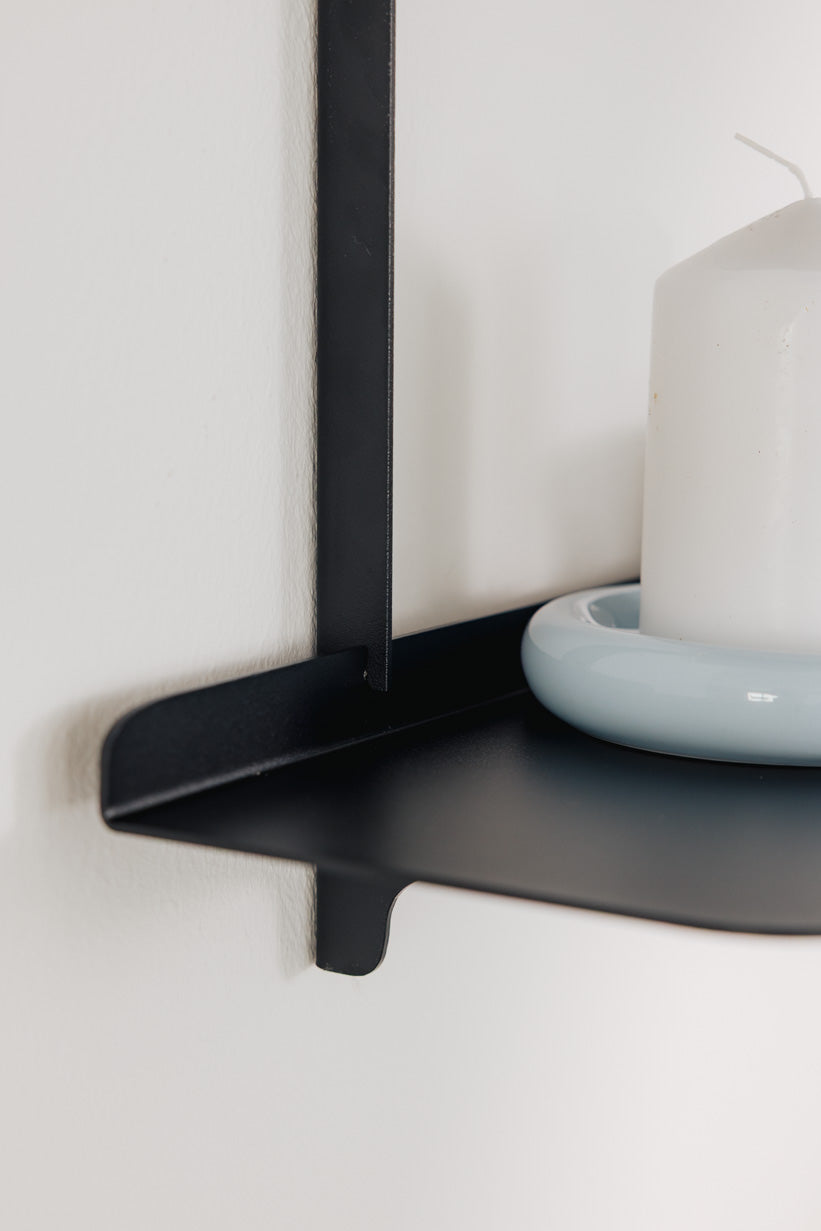
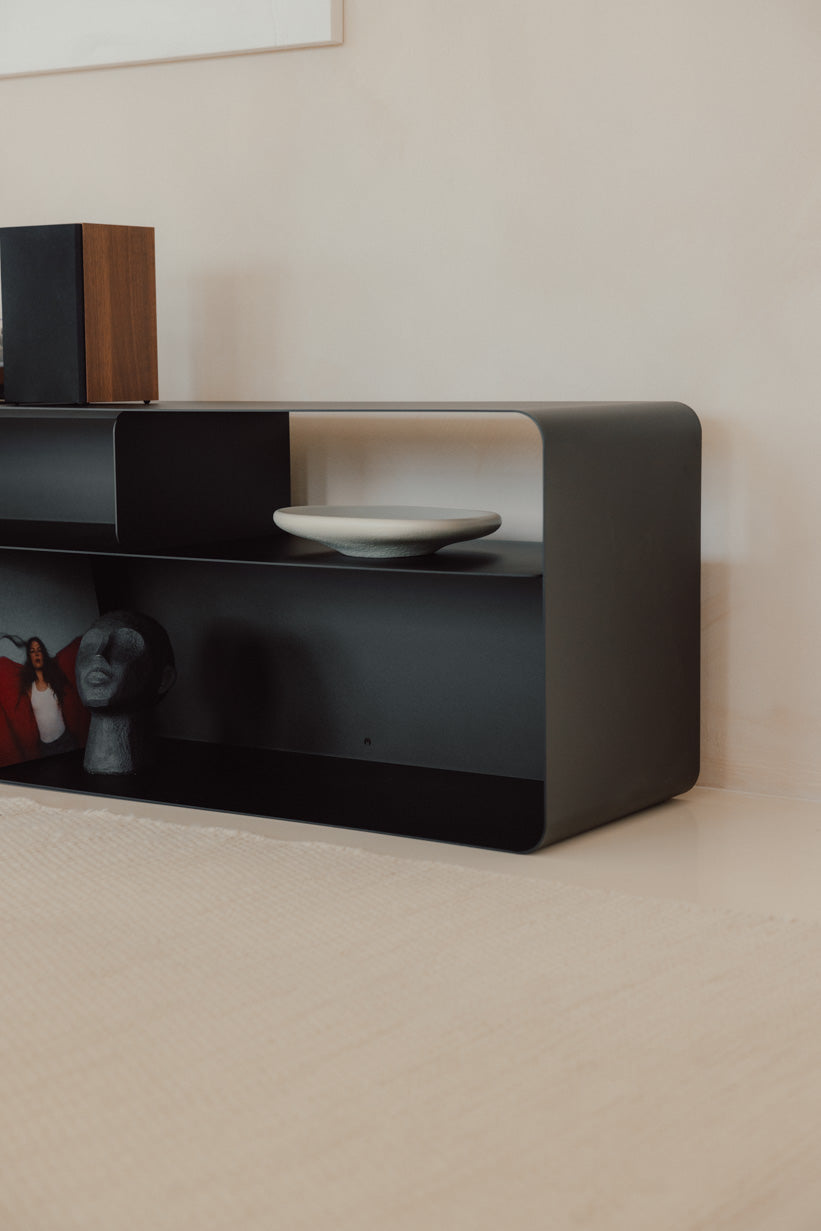
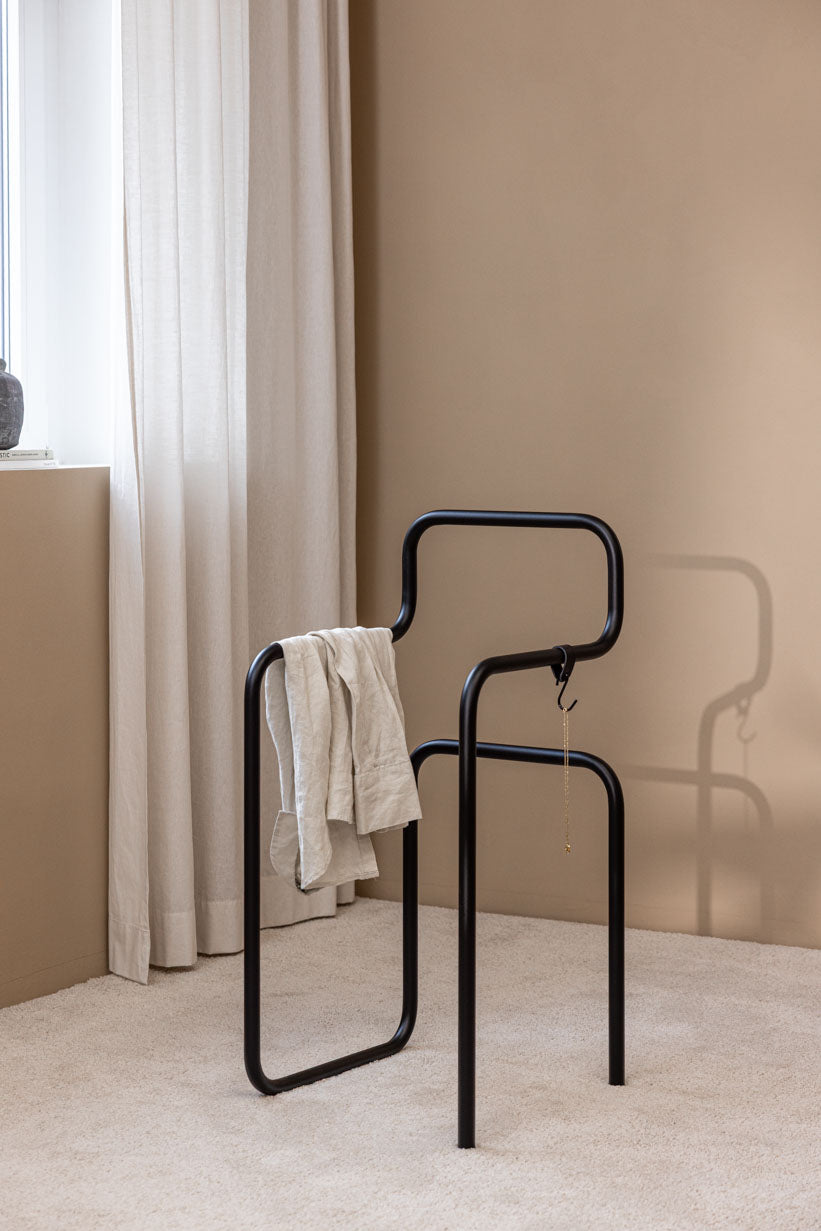
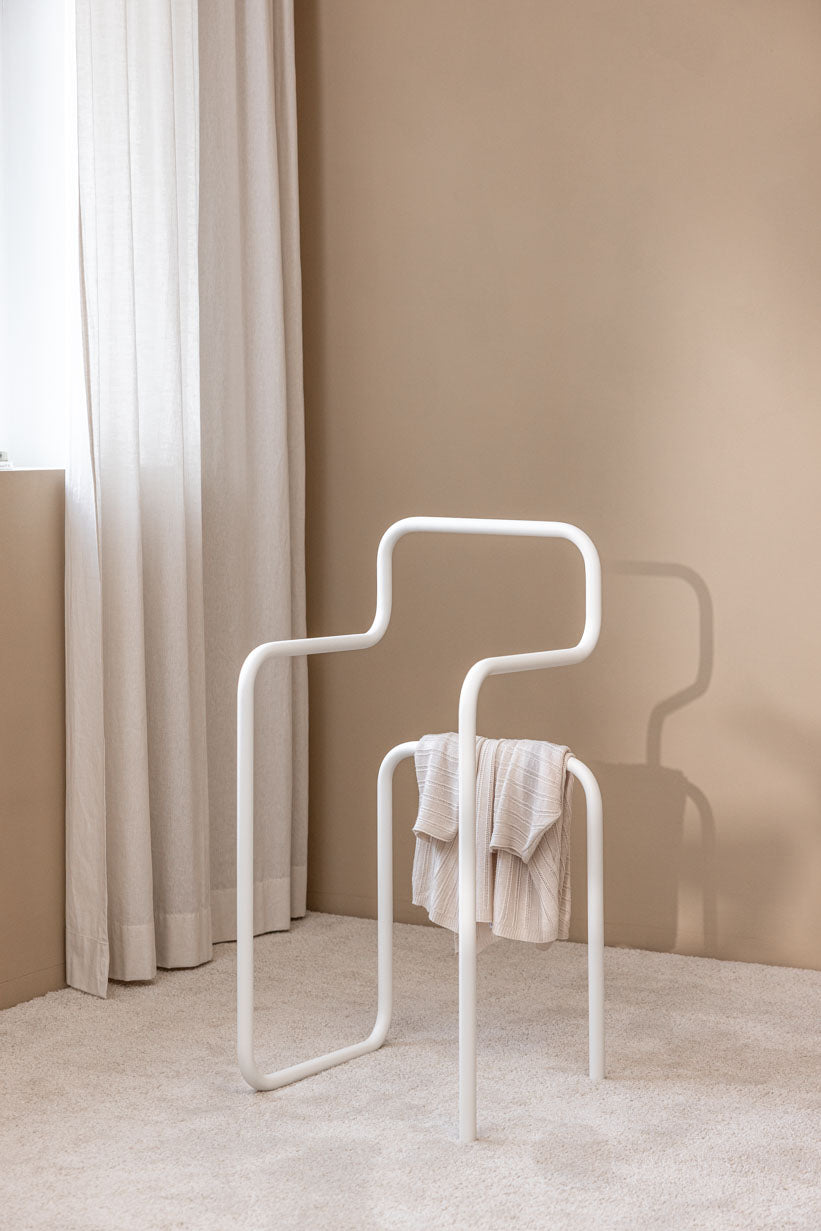
Minimalism thrives on restraint – but also on aesthetics. White, gray, beige, black, and soft natural tones dominate the color palette. These create a sense of calm and make rooms appear larger. The forms are clear, geometric, and functional – without unnecessary embellishments. Materials such as wood, metal, glass, or stone introduce texture and a touch of nature. Combining matte and smooth surfaces creates an intriguing yet understated look. Important: Everything that is visible should be carefully chosen – every piece has its place and a clear function.

Tips for getting started with a minimalist interior design style
Switching to minimalist living doesn't have to be radical. Even small changes can have a big impact:
· Clear out and sort: Go through each room and get rid of everything you don't need or use.
· Quality over quantity: It's better to invest in one good piece of furniture than in many cheap ones.
· Allow empty spaces: Rooms appear calmer when not every corner is filled.
· Think functionally: Every piece of furniture should fulfill a clear purpose.
· Decorate intentionally: Set targeted accents – for example with an art object, a vase or a light statement.

The basic principles of minimalism in everyday life
Minimalism doesn't end with interior design – it's also a lifestyle principle. Those who live consciously consume less, make clearer decisions, and create mental space for themselves.
The most important basic principles include:
1. Reduction: What is truly necessary? Everything else can go.
2. Order: Tidy rooms have a liberating effect – and make life easier.
3. Mindfulness: Fewer things often mean greater appreciation for what remains.
4. Consistency: A uniform style and clear structures create a sense of calm in the room and in the mind.
Minimalist living is therefore not about deprivation – but about gain. It leads to more clarity, more space, and more focus on what truly matters. Those who live with less often live more consciously – and create a home that can breathe.
Advantages of metal furniture
How do I combine yellow furniture?