



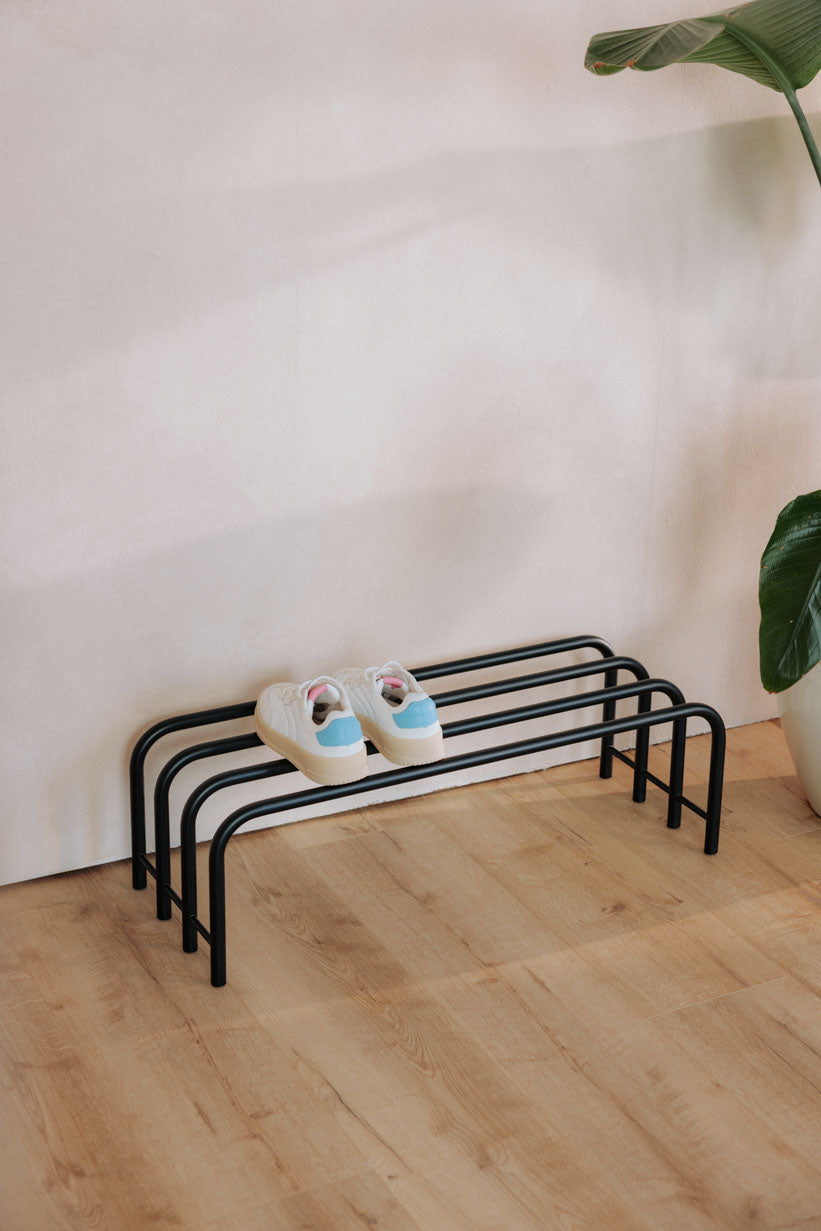
Your guide to durable furnishings
Those who invest in furniture want to enjoy it for a long time. However, recognizing high-quality furnishings is not always easy – especially in times of online shops, mass production, and constantly changing trends. In this guide, you will learn how to identify true quality in furniture, which materials are convincing, and why metal furniture is at the forefront in terms of durability and design.
Why furniture quality is crucial
Quality means more than just a beautiful appearance. It stands for stability, comfort, sustainability, and a sense of responsibility – towards the environment and your wallet. High-quality furniture lasts for years, often decades, and does not need to be replaced constantly. This saves resources, avoids waste, and creates a home that endures. Cheap furniture, on the other hand, quickly shows signs of wear, loses stability, or appears outdated after a short time. So, those who prioritize quality consciously choose value over a throwaway mentality – and thus a lifestyle that combines durability and style awareness.

Value over throwaway mentality
The trend is moving away from short-lived consumer goods and towards durable, sustainable designs. Furniture is a central component in this. Quality furniture is recognized by robust materials, clean workmanship, and a timeless design that can be integrated into various living styles over the years. Metal furniture is a prime example: it is stable, easy to care for, and resistant to moisture and temperature fluctuations – making it ideal for kitchens, bathrooms, or outdoor areas. Additionally, its clear design language gives it a modern look without being trendy. Those who buy consciously, buy better – and create spaces that last.

Materials in Quality Check
The material is one of the most important quality indicators in furniture. Here is an overview:
· Solid wood: Natural, durable, and valuable – but also high-maintenance and susceptible to scratches or warping.
· Veneer & MDF: Price attractive, visually often appealing, but not as durable as solid wood or metal.
· Metal: Particularly robust, shape-stable, and easy to care for. Steel or aluminum impress with high load capacity and modern design. Powder-coated surfaces additionally protect against rust and scratches.
· Glass & Stone: Stylish additions that look particularly high-quality when combined with metal.
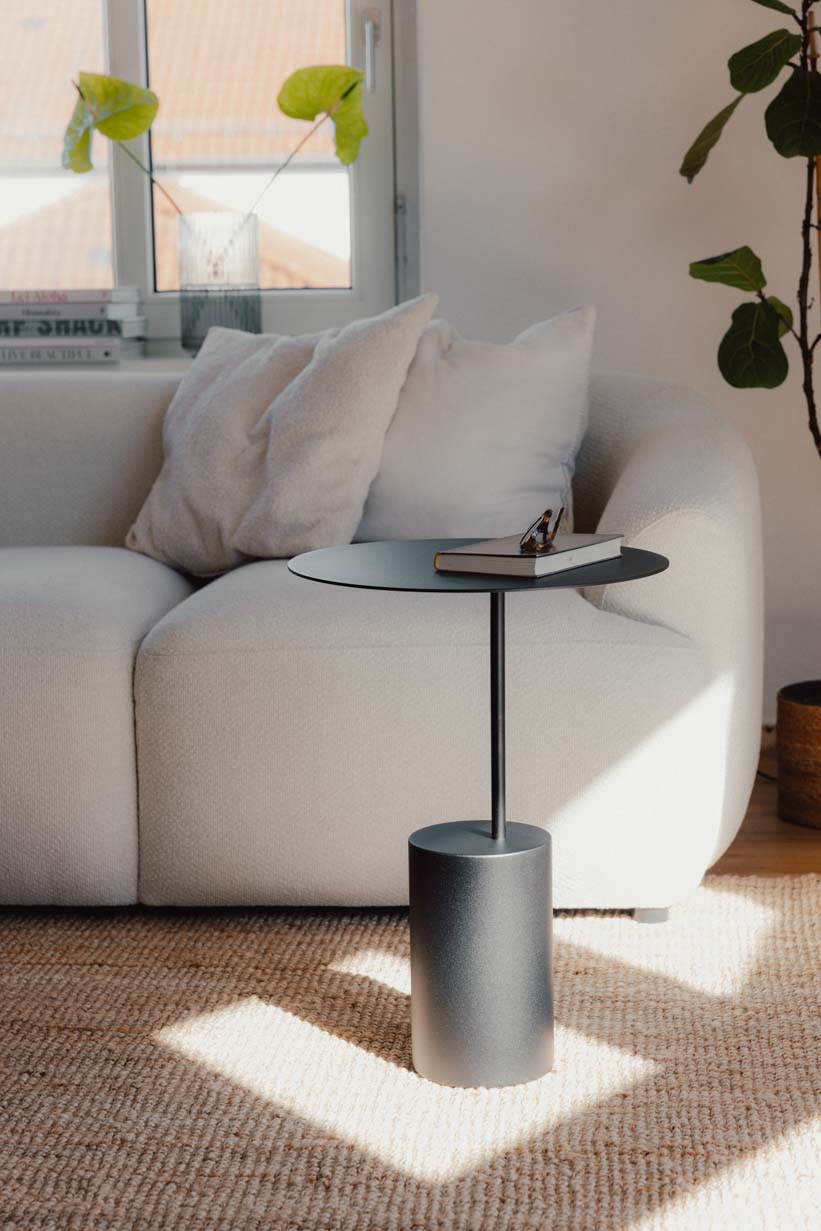
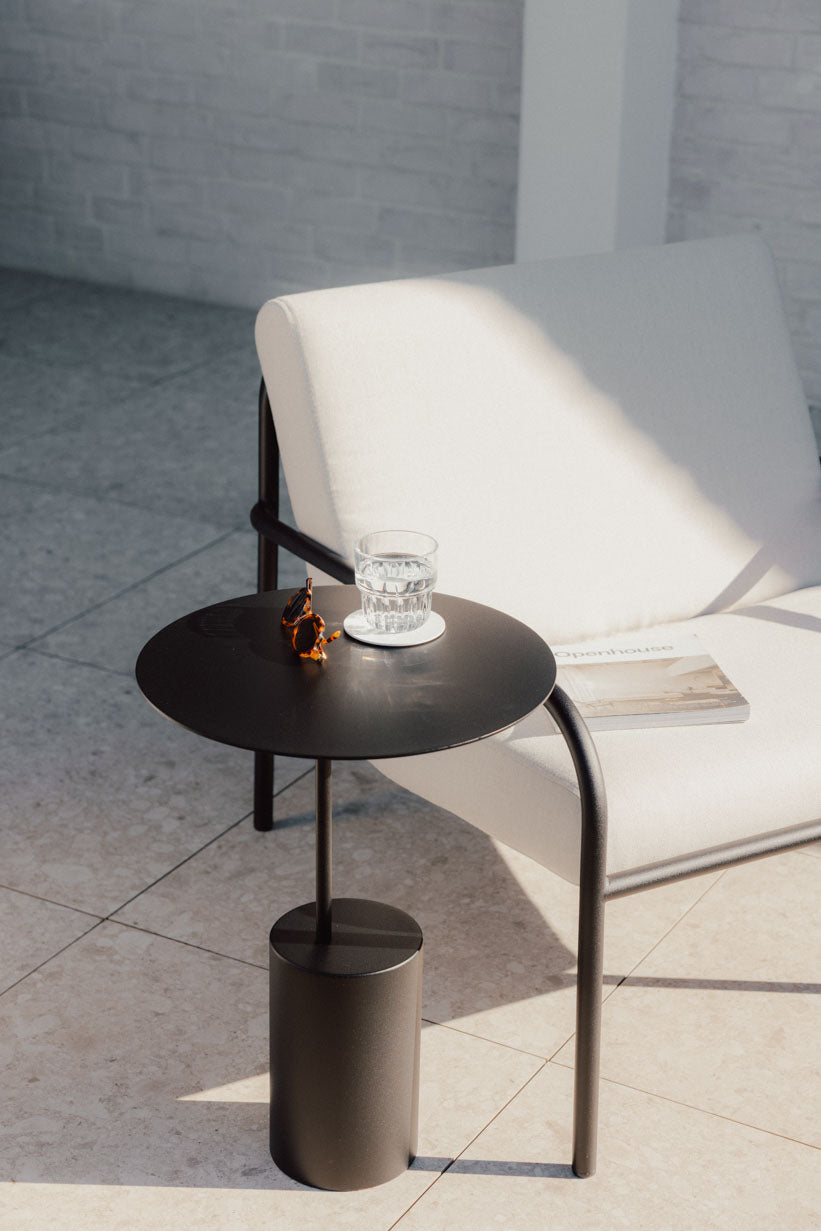
Especially in modern interiors, it becomes clear: metal furniture combines functionality and aesthetics like hardly any other material. They appear minimalist and high-quality – and are virtually indestructible.

Processing and details: What to look for when buying furniture
In addition to the material, the processing matters. The following points are crucial:
· Clean weld seams and connections: Especially with metal furniture, a sign of true craftsmanship.
· Stability: The furniture should not wobble or be deformable.
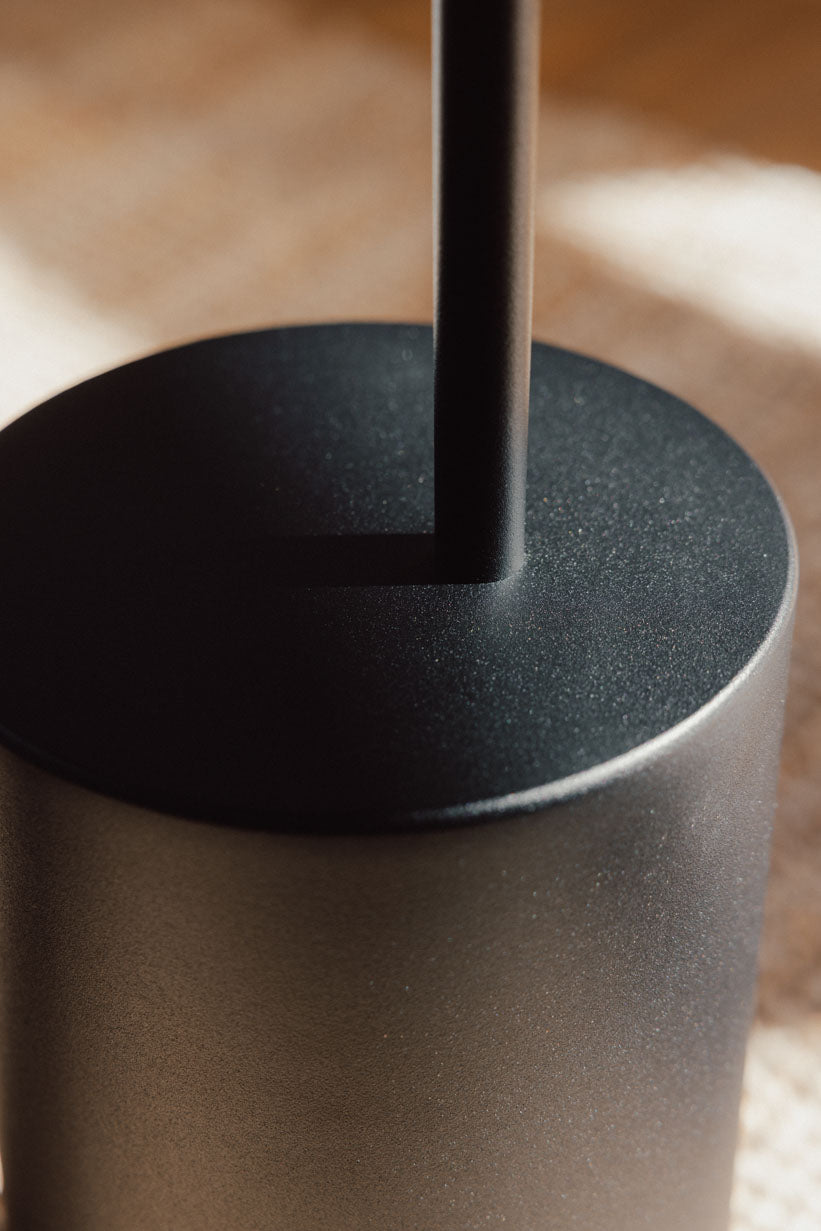
· Surface quality: Even coating without scratches, bubbles, or unevenness.
· Precision-fit components: Doors, drawers, and frames should close precisely and move smoothly.
· Design consistency: High-quality furniture impresses with its design language – no visible screws, clear lines, thoughtful proportions.
These details show: Quality often lies in the invisible. Metal furniture scores here with precision in manufacturing and clear, reduced designs that do without unnecessary elements.

What to look for in online orders
Especially when buying online, a conscious look at quality features is important. Pay attention to:
· Transparent material specifications and product descriptions that provide detailed information.
· Certificates or proof of origin, e.g., 'Made in Germany'.
· Detail photos from various perspectives – especially of weld seams, coatings, or edges.
· Real customer reviews and images for assessing feel and craftsmanship.
· Sustainable brand philosophy: Companies that focus on durability and local production are usually reliable in terms of quality.
Quality is not a coincidence, but the result of conscious decisions. Those who prioritize high-quality materials, thoughtful craftsmanship, and sustainable design create a home with character.


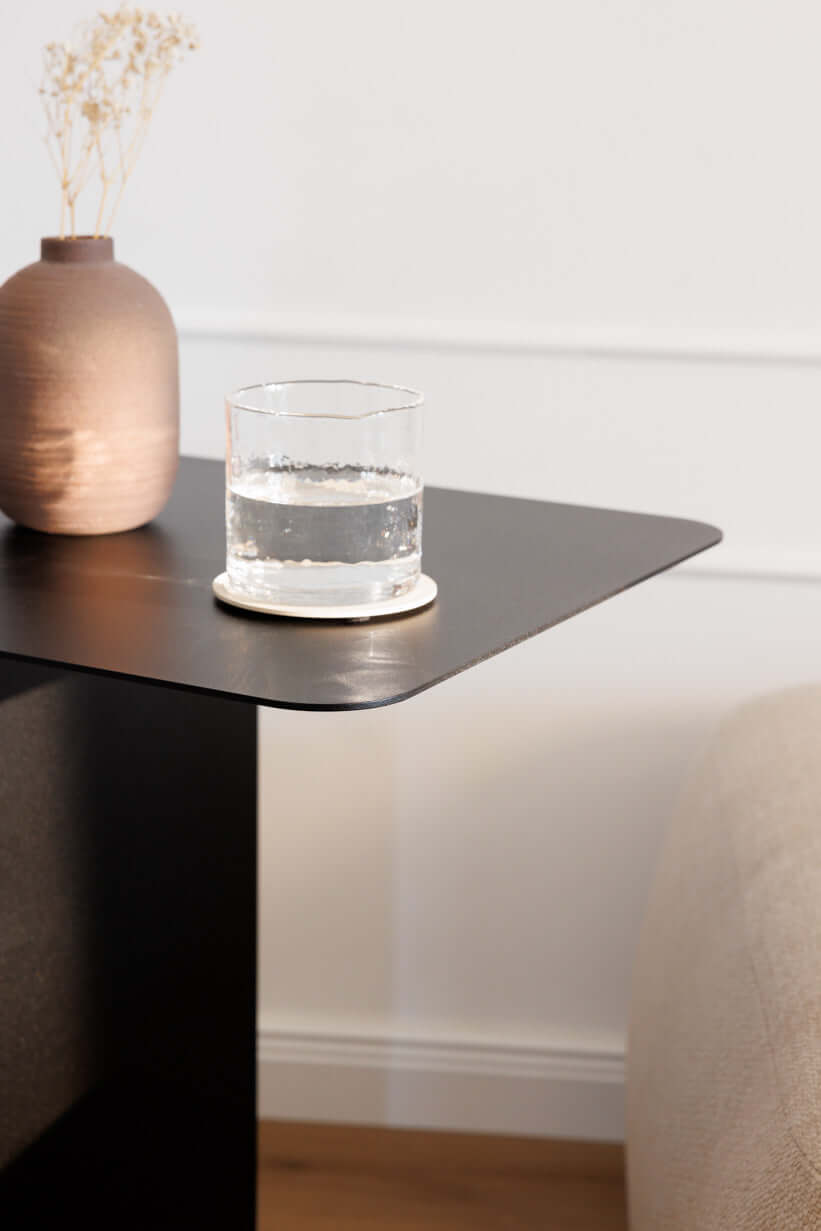
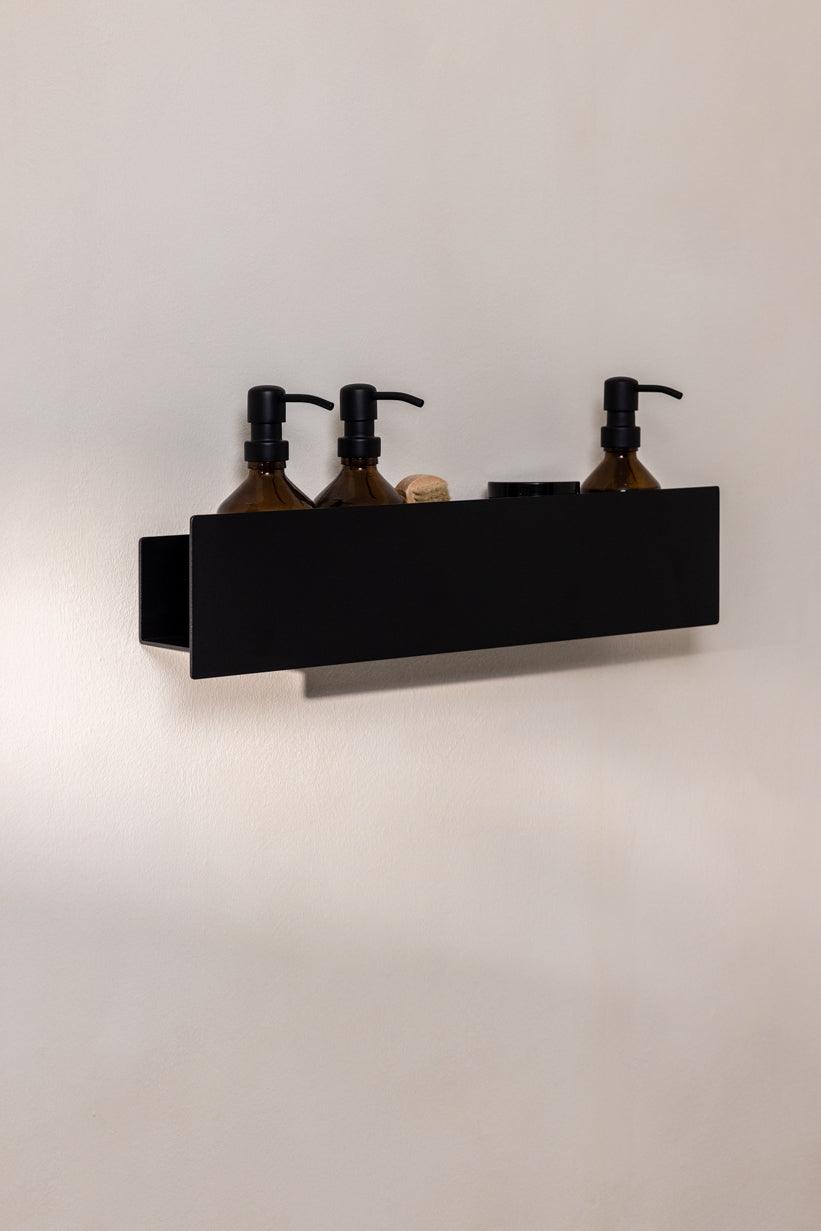
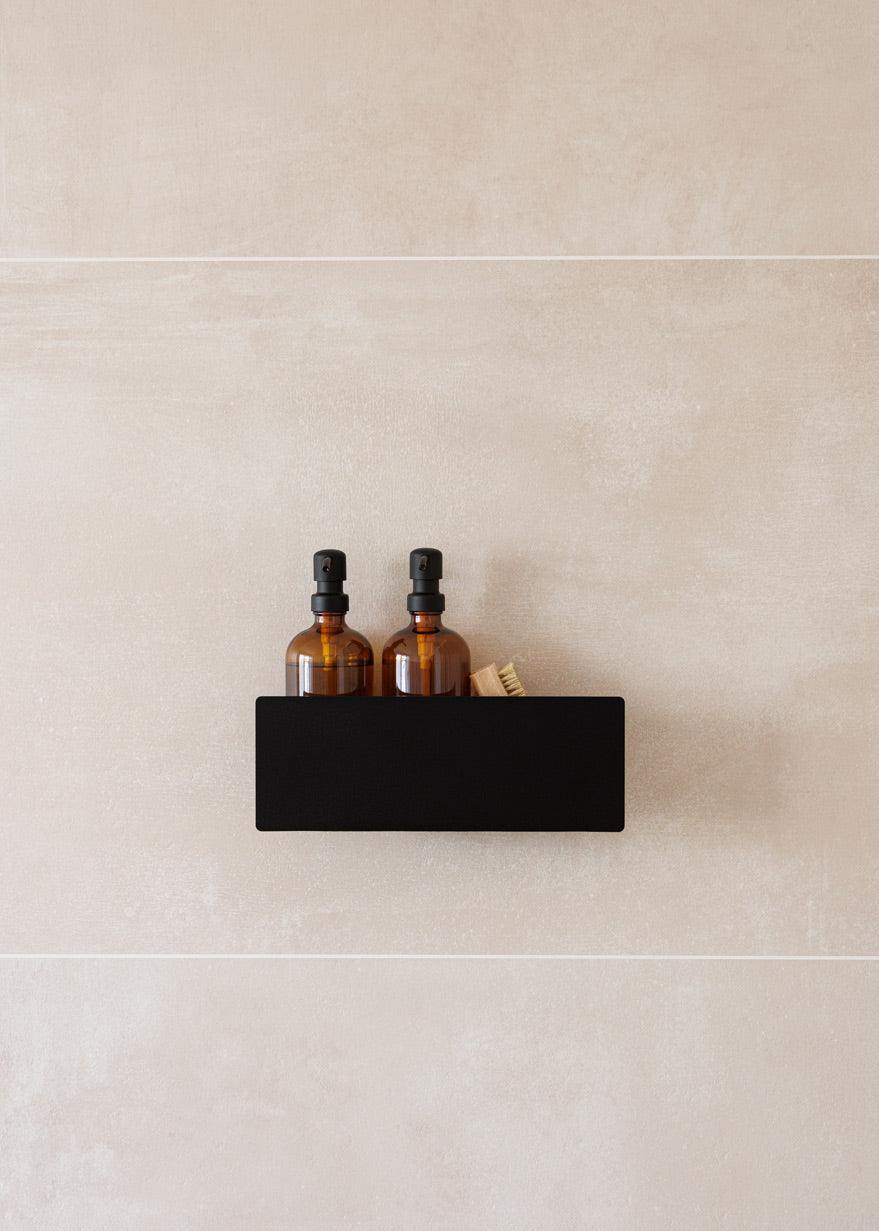
What decoration goes well with black metal furniture?
Furnishing a studio apartment comfortably