



Color psychology and its effects in living spaces
Colors play a central role in the design of our living spaces – and often unconsciously influence our mood and behavior. Anyone who delves into color psychology in interior design quickly realizes that the choice of wall color, furniture, or decorations affects far more than just the visual appearance. Colors can make rooms appear larger, cozier, cooler, or more vibrant. Using color strategically creates not only a harmonious atmosphere but also a home that truly feels good.

Understanding the psychological effect of colors in the home
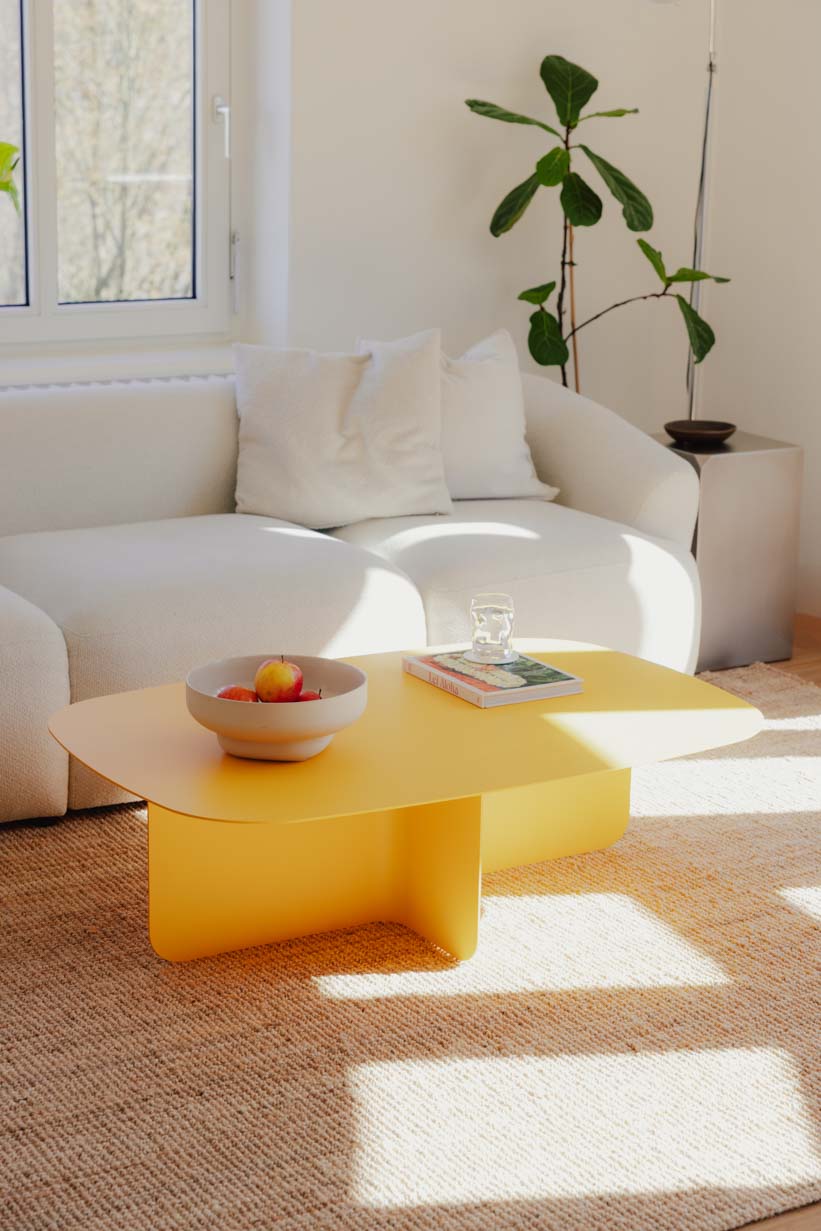
Each color evokes different emotions: Blue It has a calming effect and promotes concentration – ideal for bedrooms or work areas. Green It stands for balance and brings naturalness to the room. Yellow promotes creativity and joy of life, while Red Colors convey energy and warmth – but can also quickly become dominant. Understanding the effect of colors in living spaces allows you to create targeted accents or influence the overall atmosphere of a room. This applies to wall colors as well as furniture and home accessories.

Warm and cold colors: How they affect the room's atmosphere
Colors can make rooms appear larger, smaller, wider, or narrower. Warm colors Colors like red, orange, or terracotta create a sense of security and make large rooms more comfortable. They are particularly well-suited for living and dining areas. Cold colors In contrast, colors like blue, turquoise, or gray create an open and calming atmosphere – perfect for small rooms where you want to visually expand the space. Consciously choosing warm or cool color tones helps to shape the room's ambiance and enhance the desired feeling of spaciousness.

How colors influence our mood and well-being at home
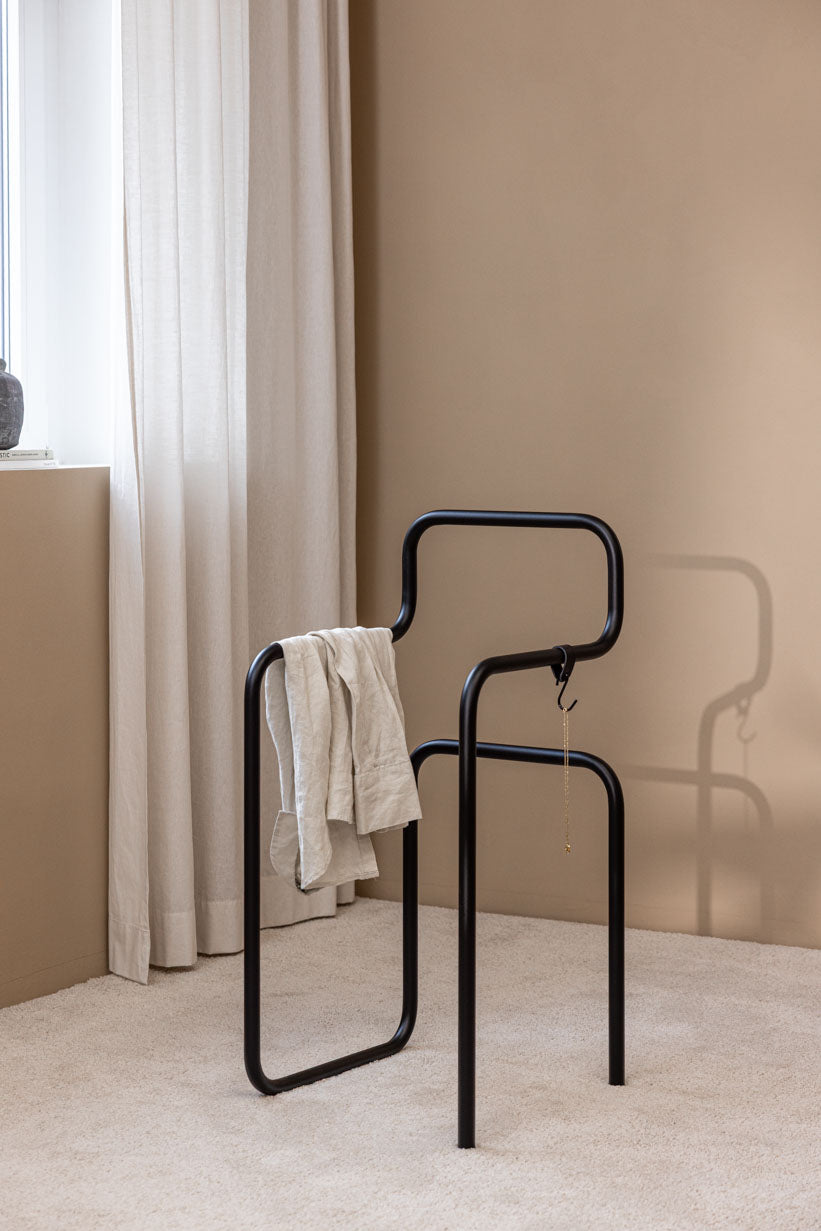
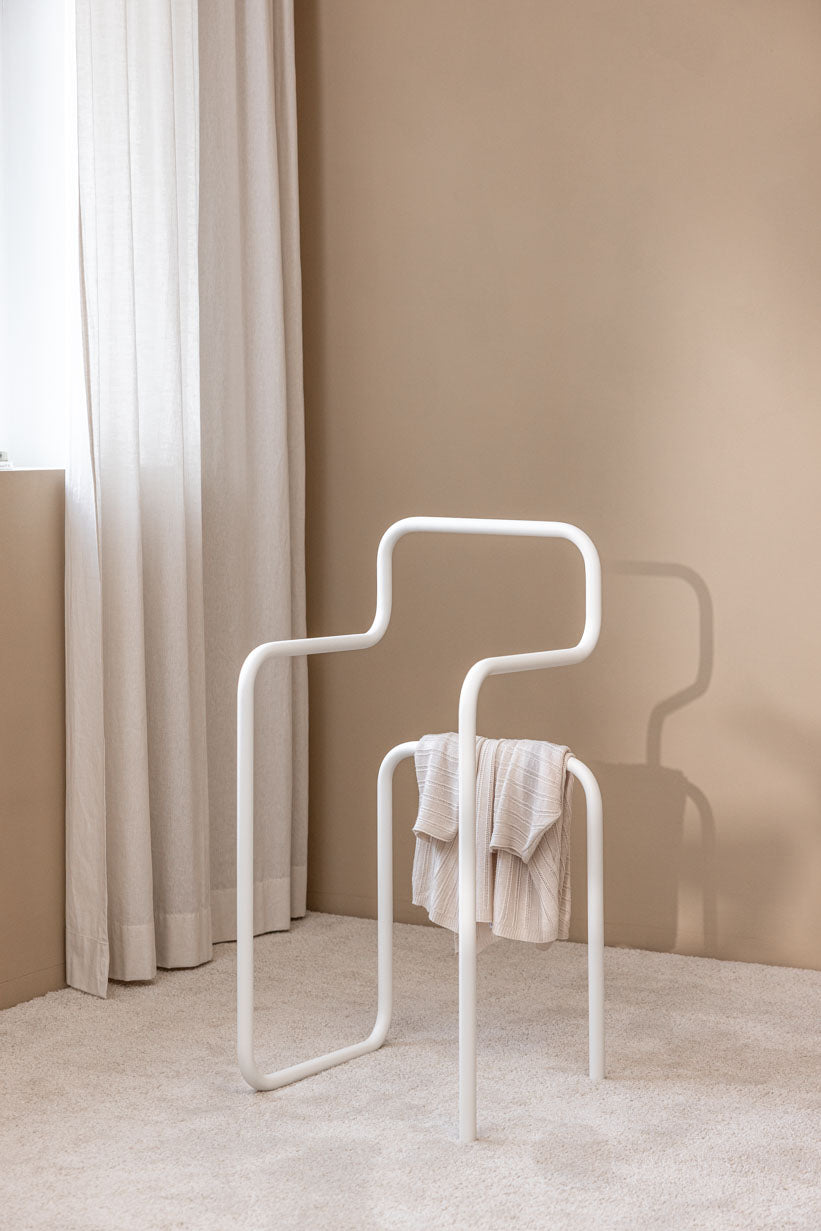
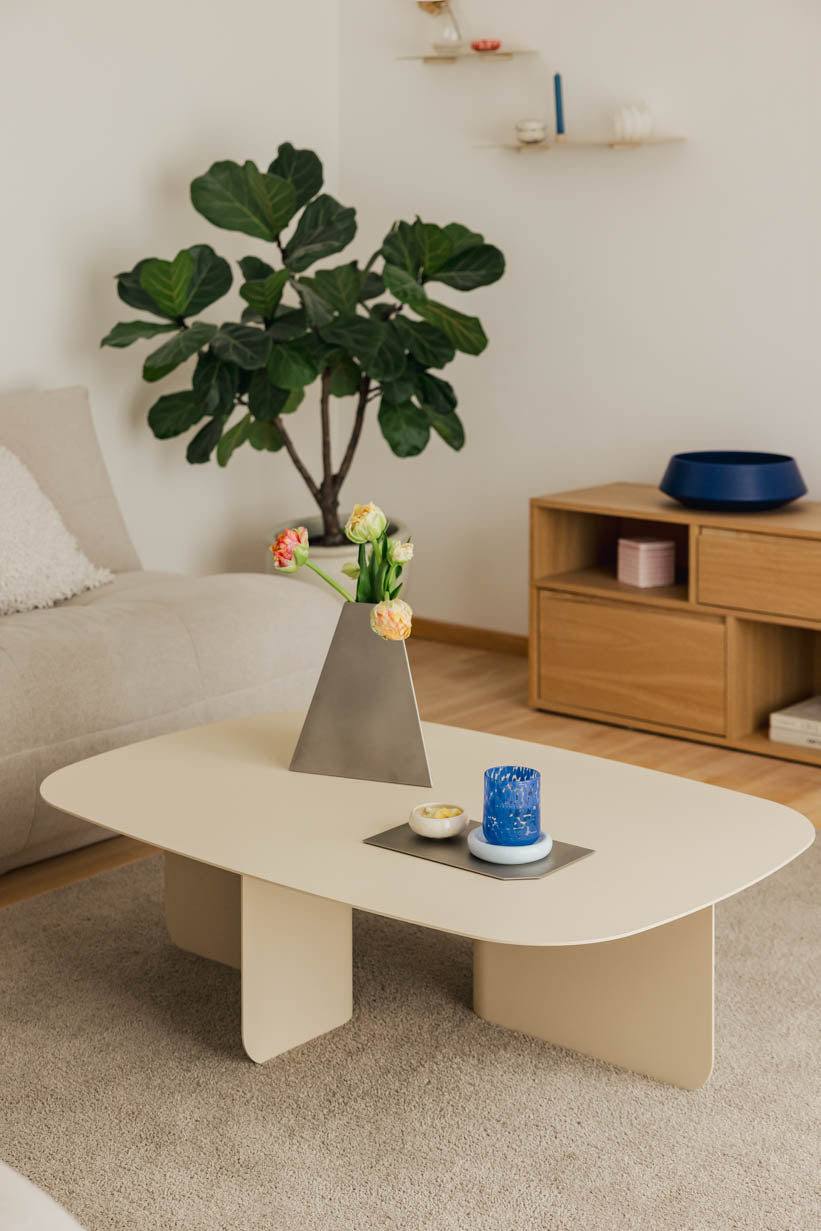
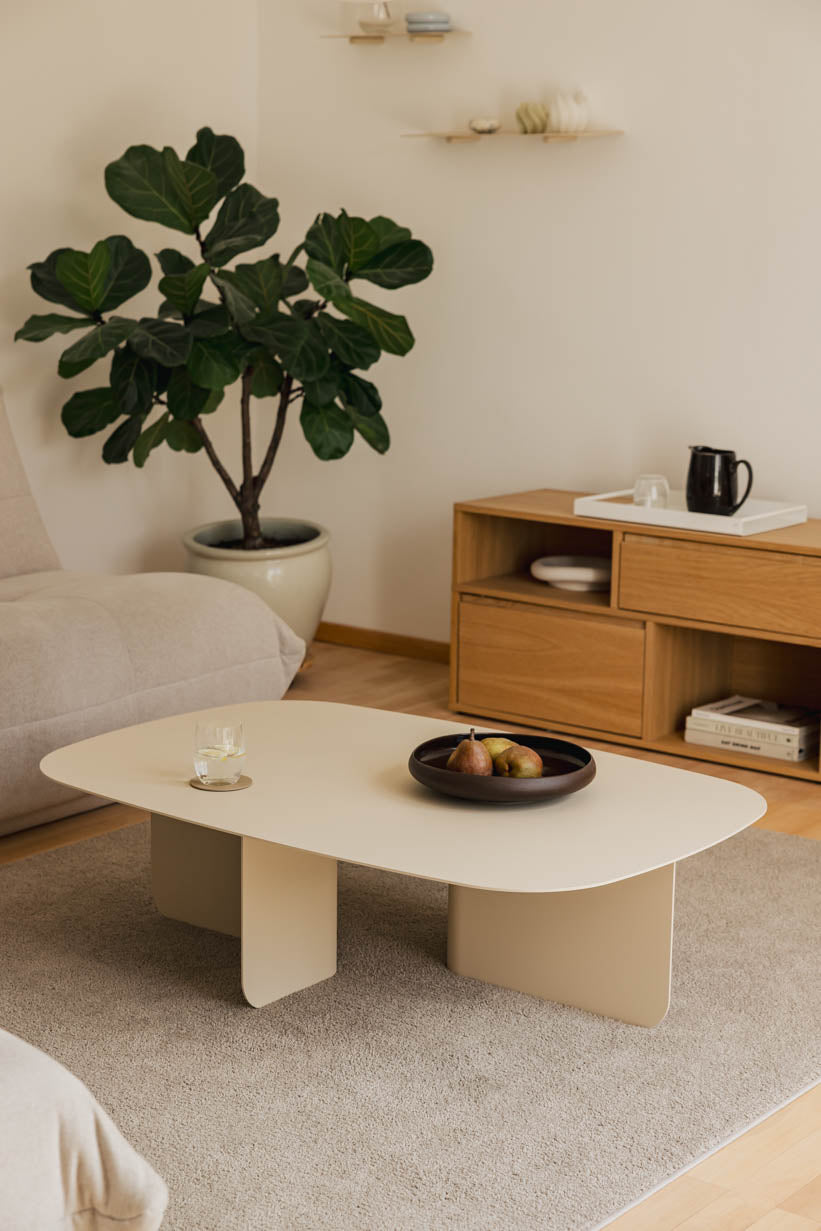
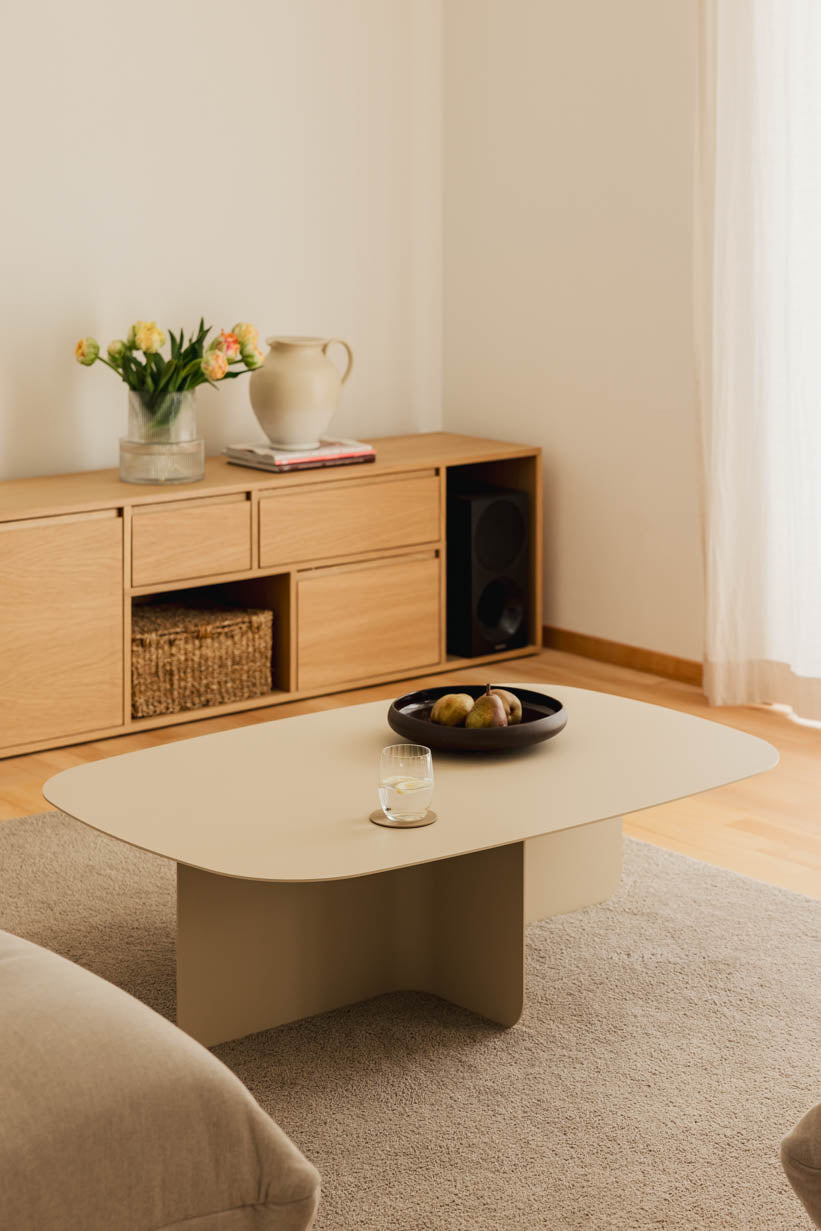
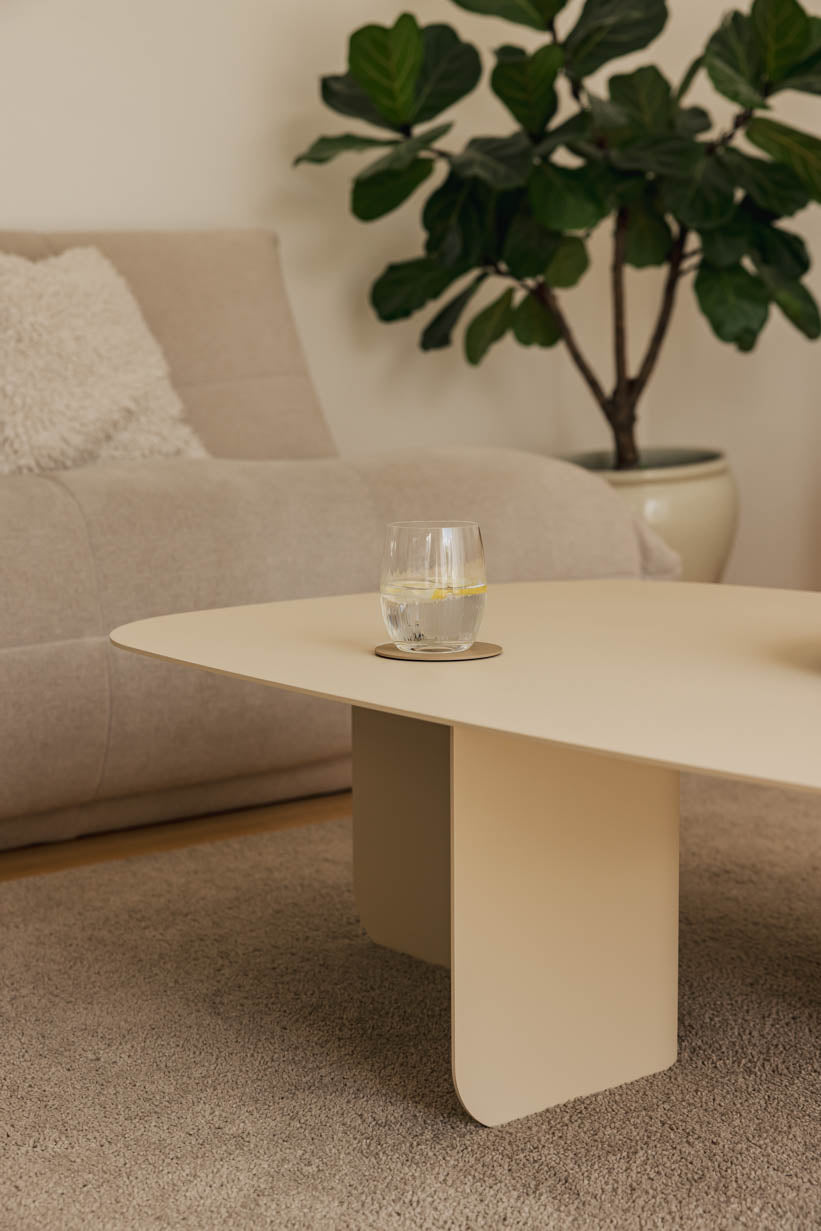
A consciously designed color concept in one's own home can sustainably improve well-being and mood. Light, natural tones Colors like beige, sand or sage green have a relaxing and harmonizing effect – ideal for a calm atmosphere in the bedroom or living room. Vibrant colorsColors like mustard yellow or petrol blue can be inspiring and stimulating – perfect for creative spaces or the home office. Colors have the power to calm, motivate, or comfort us.
Those who pay attention to the emotional effect of colors in their interior design create not only stylish rooms, but a real home.


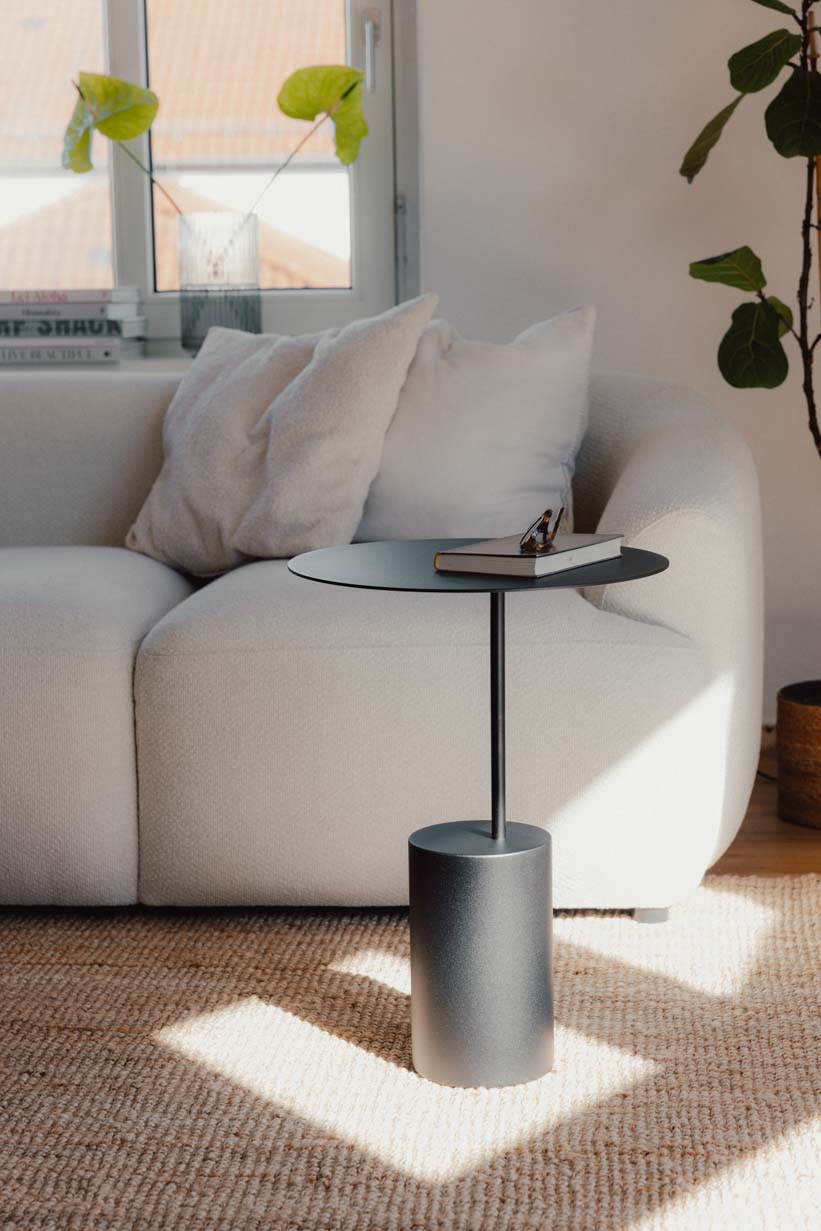
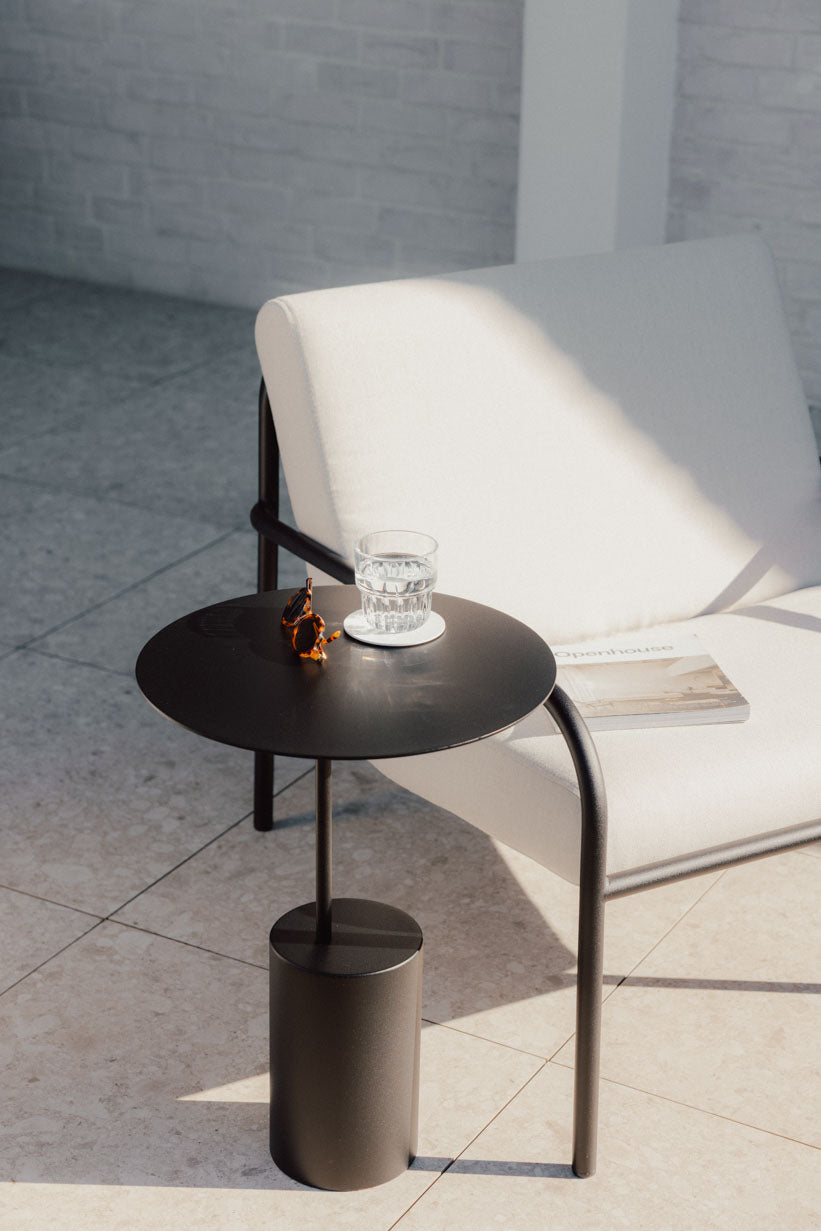
Summer colors for the living room:
Dopamin Decor