


Minimalism or Maximalism? A Comparison of Interior Trends
Minimalism or Maximalism – two opposing interior trends currently shaping the world of living. While minimalism in interior design focuses on reduction, clarity, and tranquility, maximalism in furnishing stands for expression, individuality, and conscious opulence. Both styles pursue different approaches – yet both are about the same thing: creating spaces that show personality and impress in the long term.
This comparison shows what characterizes the two living styles, how they work – and whether they can be combined.

What is Minimalism in Interior Design?
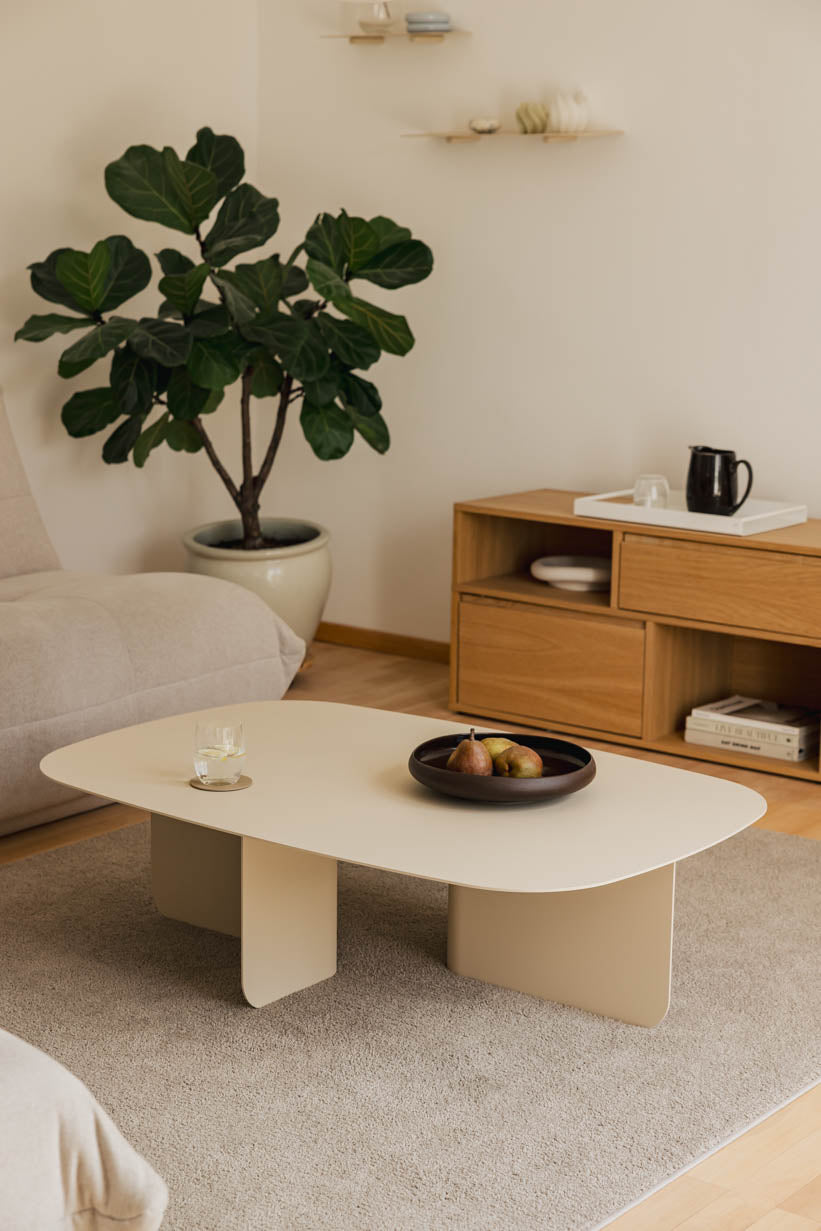
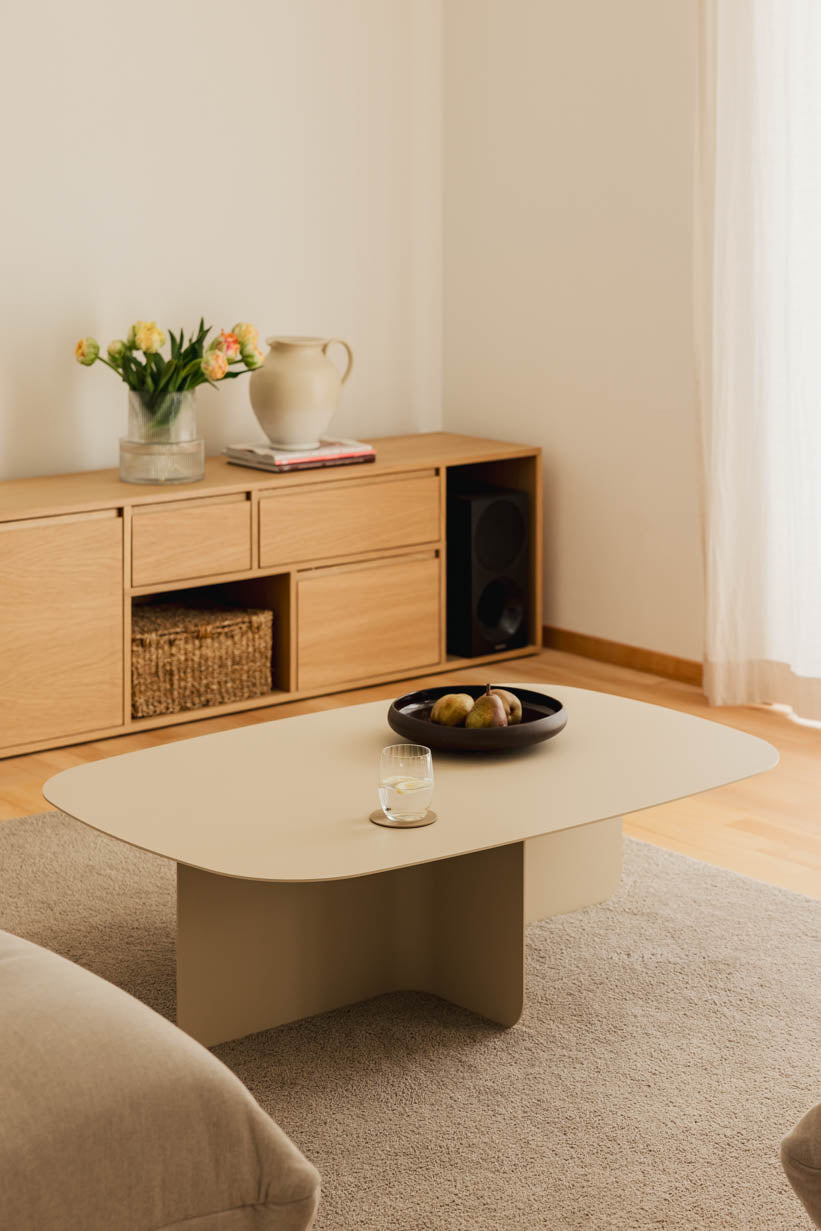
Minimalism in interior design means concentrating on the essentials. Rooms are consciously designed with reduction, furniture is chosen clearly, and decoration is used purposefully. It's not about living in empty spaces, but about consciously deciding what stays – and what doesn't. The minimalist furnishing style thrives on structure, proportion, and high-quality materials.
Typical features of the minimalist living style are:
-
Clear lines and reduced forms
-
A limited, harmonious color palette
-
High-quality, durable materials
-
Focus on functionality
-
Order as a design principle
The result is an interior that appears calm, tidy, and timeless – with a clear eye for quality over quantity.

Colors in Minimalism: Neutral Tones & Clear Lines
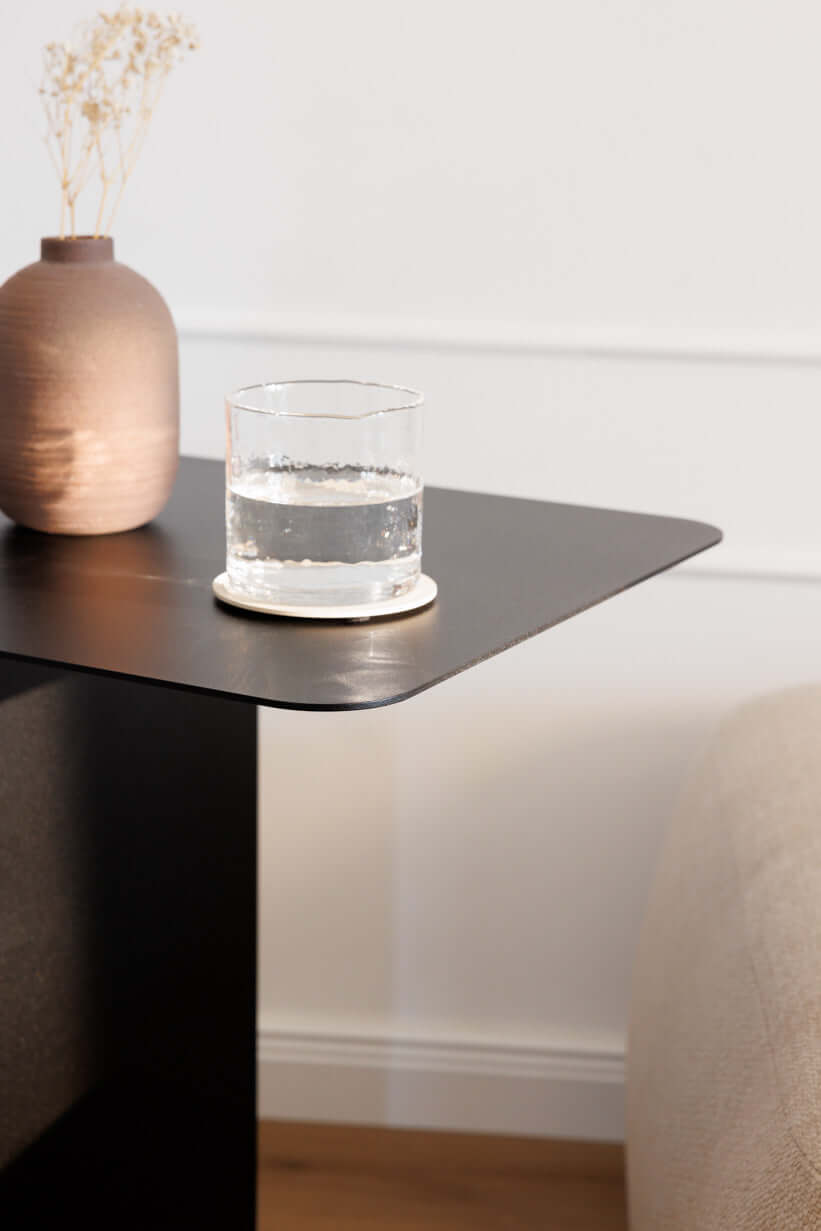
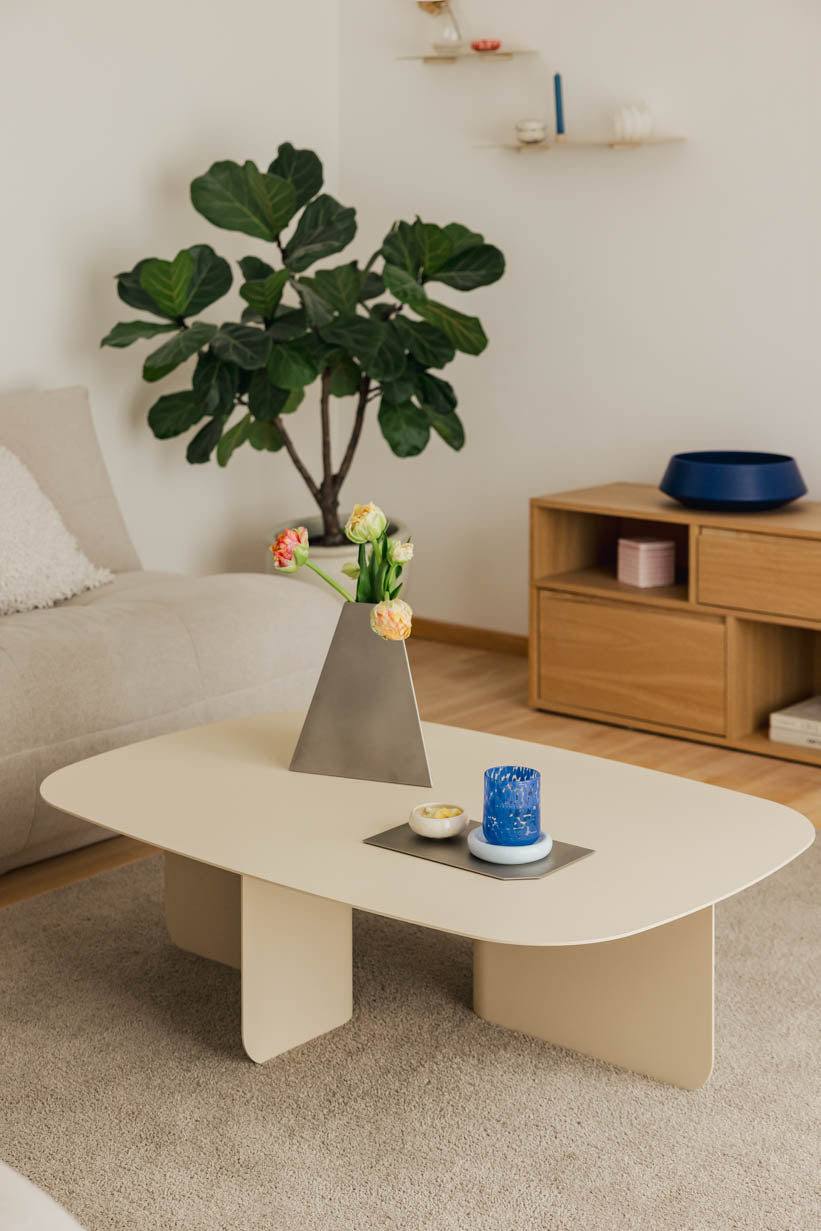
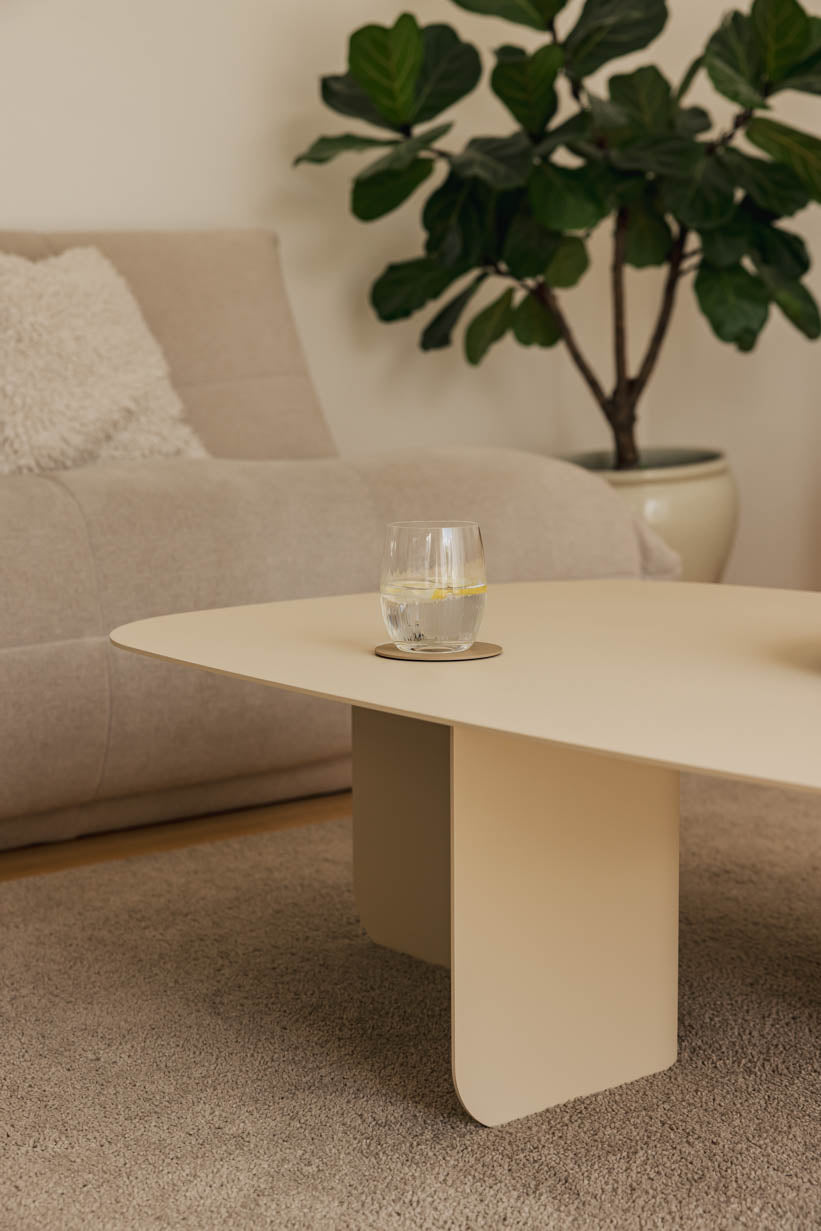
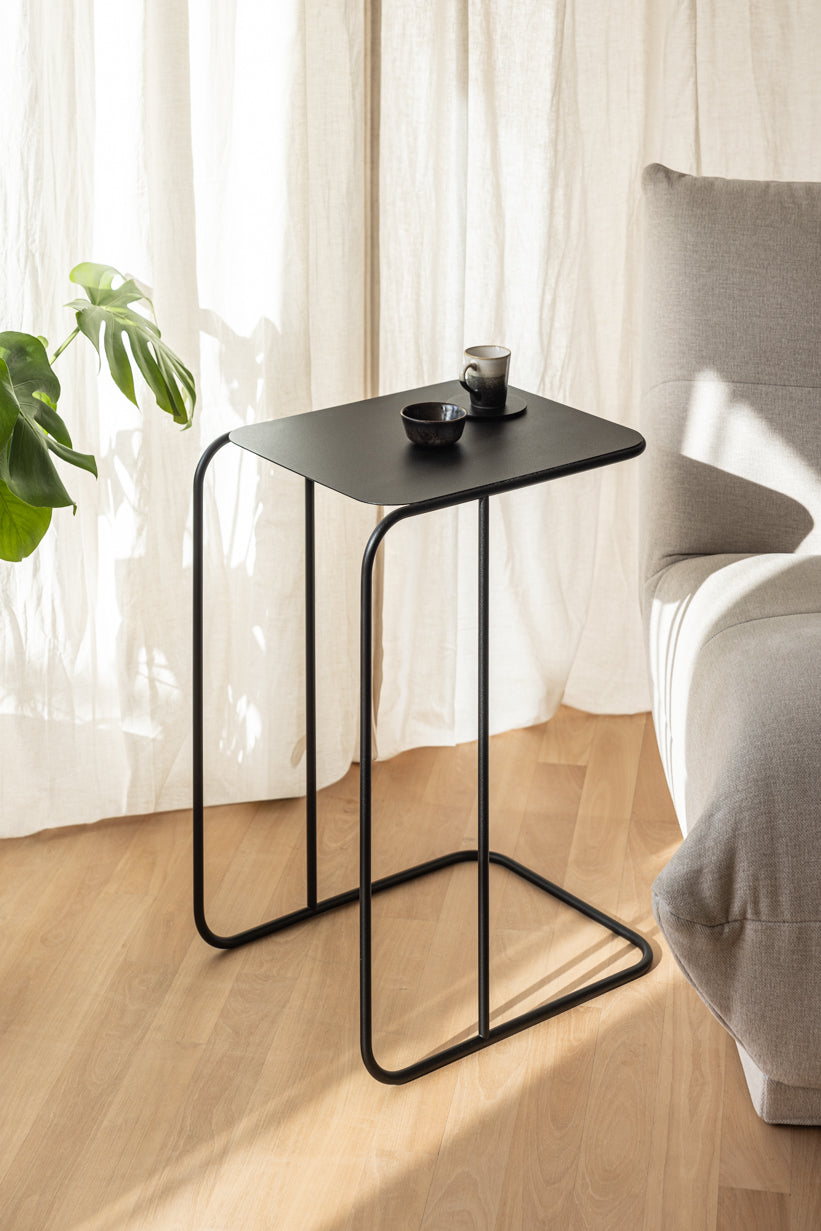
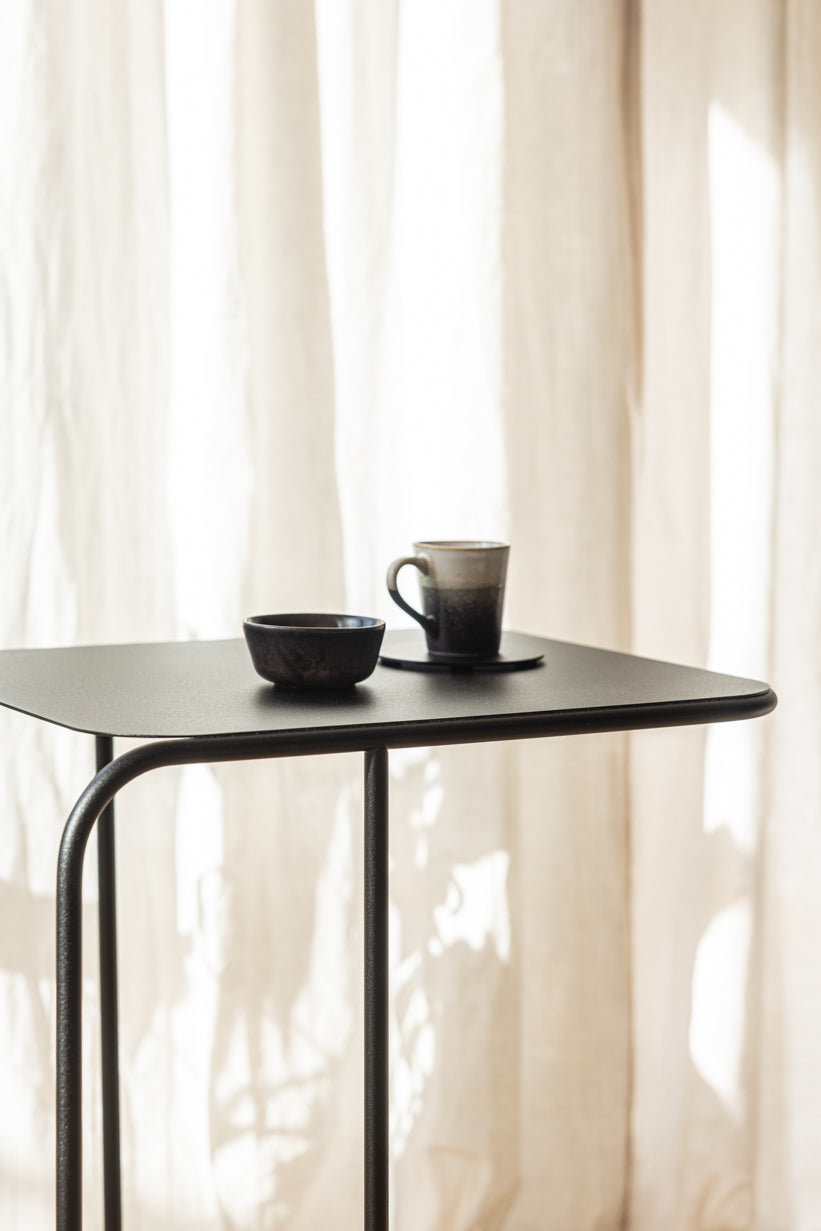
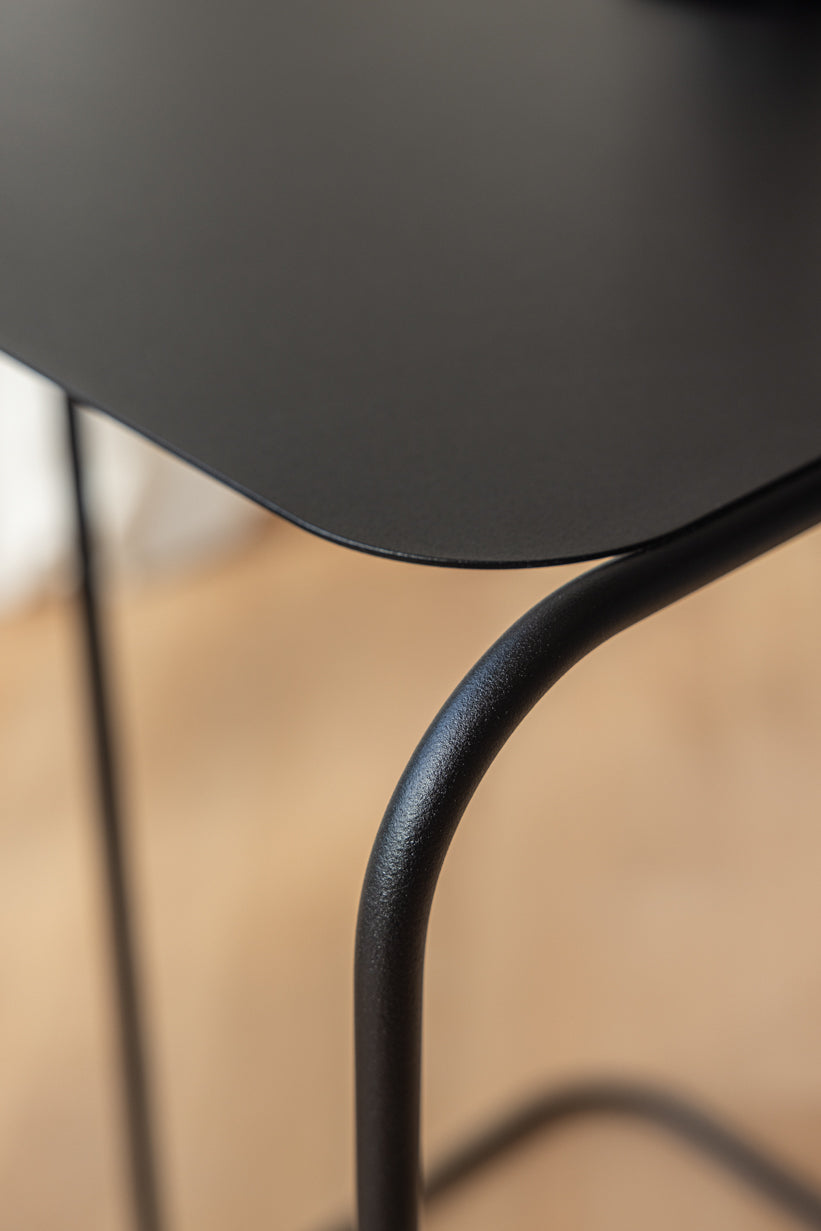
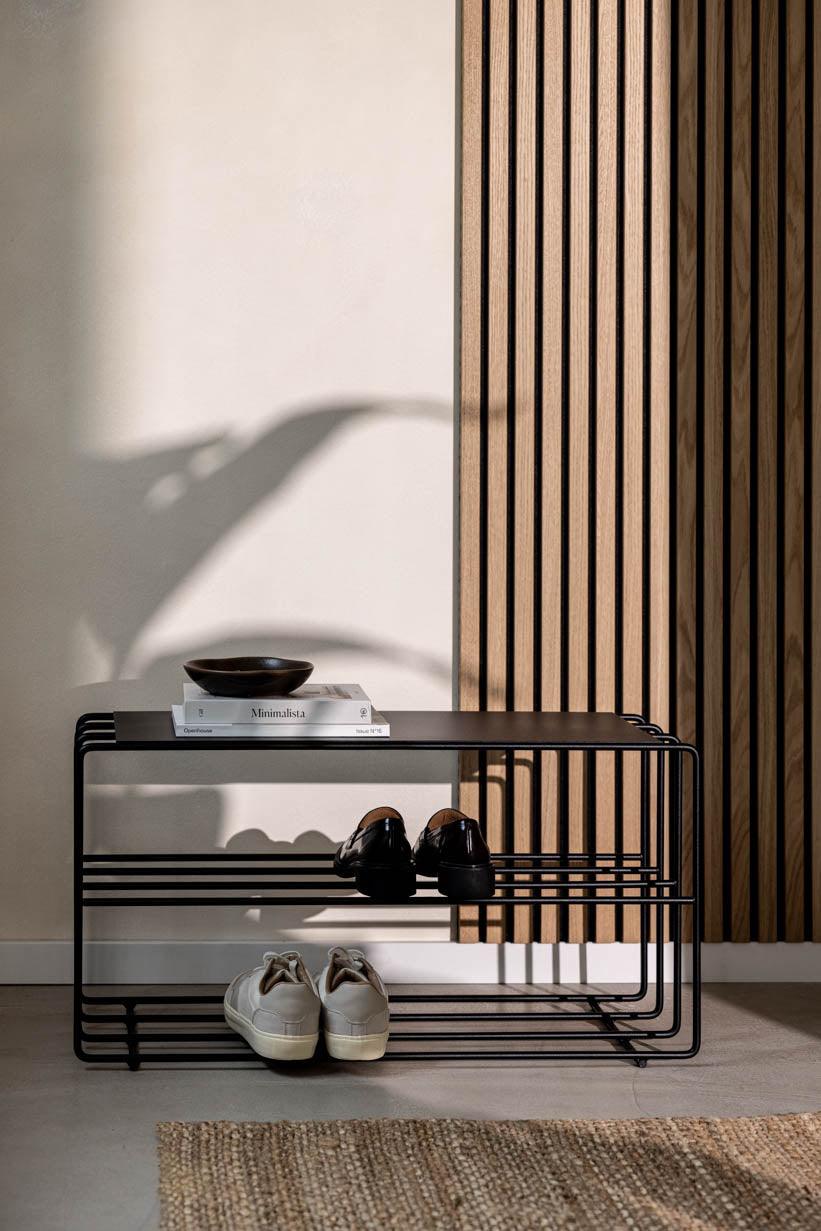
The color scheme in minimalism is reduced and harmonious. Neutral tones such as white, beige, grey, or soft earth tones dominate the overall picture. This restraint enhances the clarity of forms and draws attention to architecture and materiality. Contrasts arise less from striking patterns and more from the interplay of surfaces: matte and smooth, warm and cool, metal and wood. Black accents are often used to define lines and create depth. This creates a calm, elegant room feeling that appears durable and does not conform to short-term trends.

What does Maximalism mean in Furnishing?
Maximalism in furnishing is the confident counterpart to reduction. Instead of restraint, expression is at the forefront here. Rooms are allowed to tell stories, show personality, and visually surprise. Different styles, eras, and materials intentionally meet and create tension.
Typical elements of the maximalist furnishing style are:
-
Bold color combinations
-
Striking patterns and textiles
-
Statement furniture pieces
-
Artworks, books, and personal objects
-
A mix of vintage and modern elements
Maximalism does not mean chaos, but curated abundance. The design follows an idea – even if it appears opulent at first glance.

Colors in Maximalism: Bold Patterns & Strong Contrasts
Colors play a central role in maximalism. Bold tones like emerald green, burgundy, royal blue, or mustard yellow create strong accents. Dark wall colors are also typical and lend rooms depth and drama. Patterns – whether floral, graphic, or geometric – are used not sparingly, but confidently. Different textures such as velvet, marble, glass, or brass enhance the multifaceted impression. Contrasts are intentional and create tension. The interplay of color, material, and form creates an interior that demands attention and evokes emotions.

Can Minimalism and Maximalism be combined?
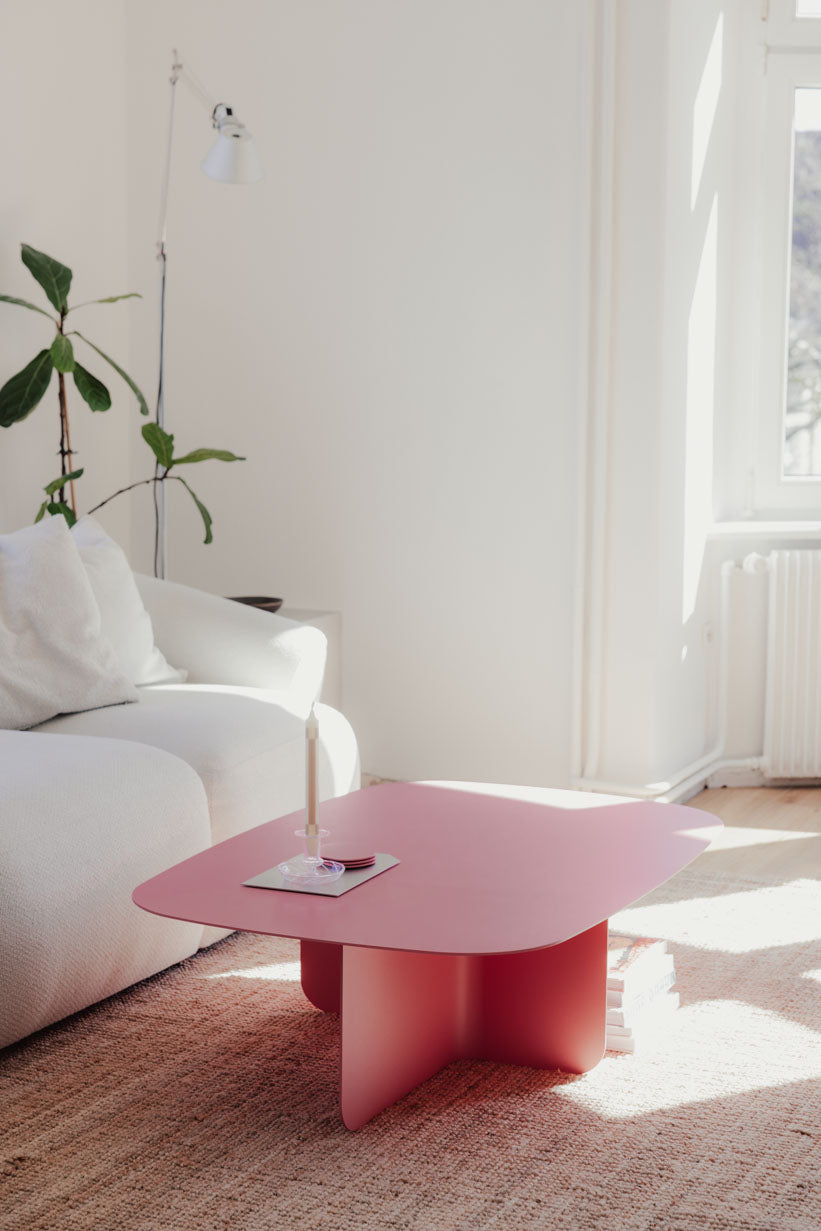
The combination of minimalism and maximalism is one of the most exciting developments in modern interior design. A reduced, clear base can serve as a stage for individual expressive elements. This creates a balance between tranquility and statement.
A simply designed room with a neutral color scheme can, for example, be consciously broken by a large-format artwork, a color-intensive piece of furniture, or striking lights. Conversely, a maximalist room can gain clarity through clear structures and targeted organization.
The result is a style that does not appear dogmatic but flexible and contemporary. Those who understand both interior trends can use them purposefully – for spaces that both endure and impress.


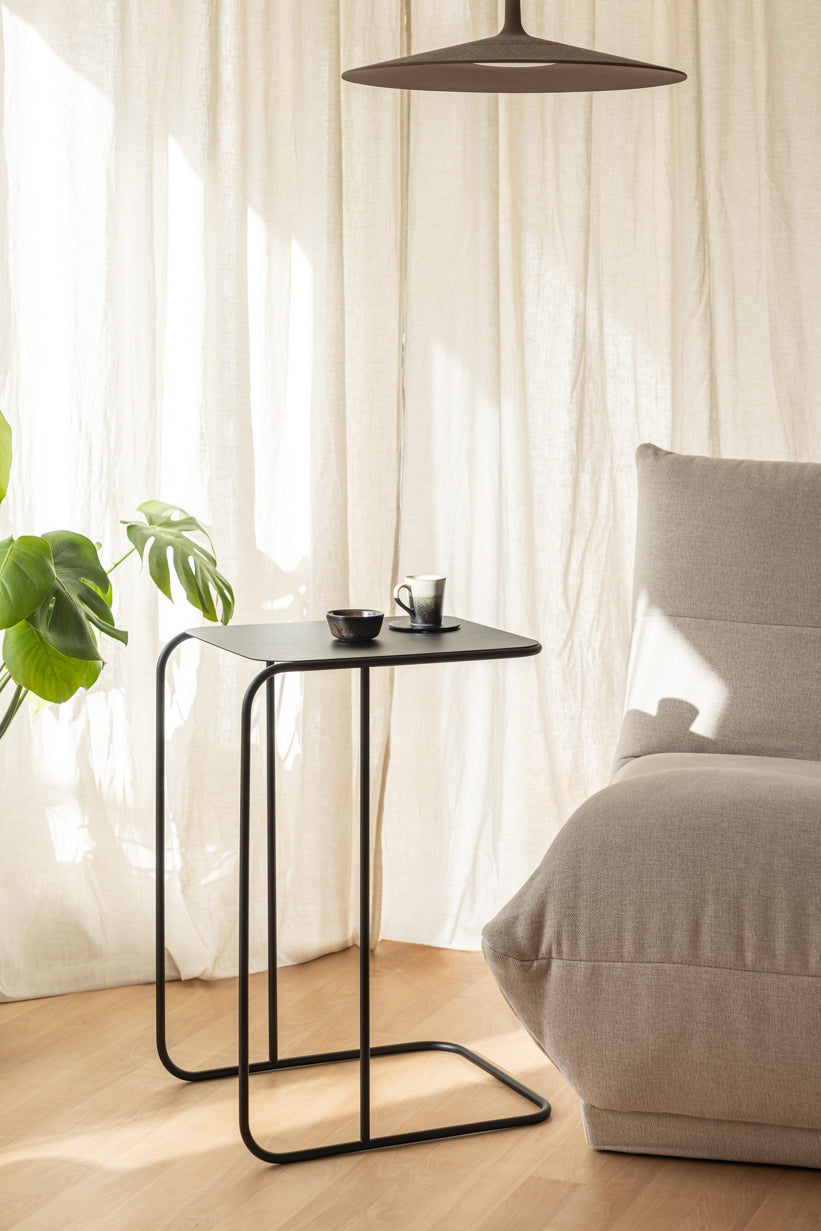
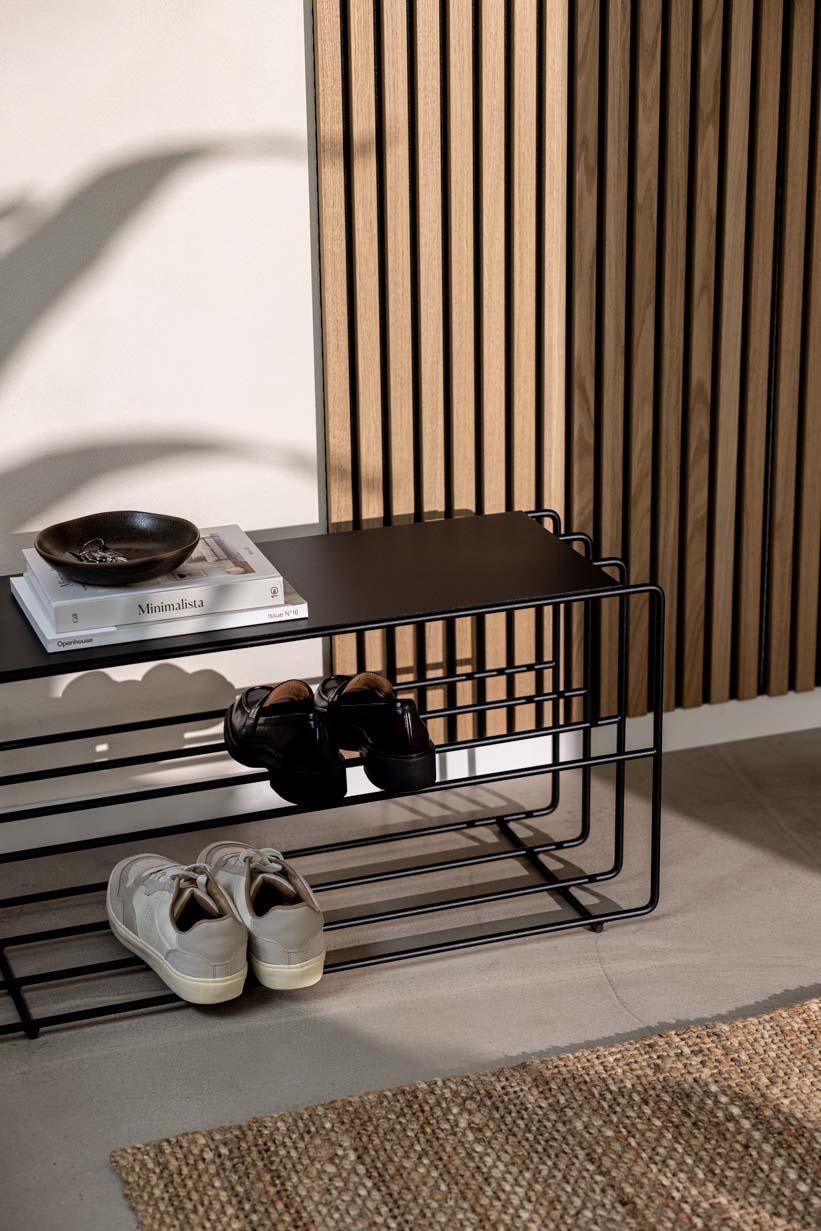
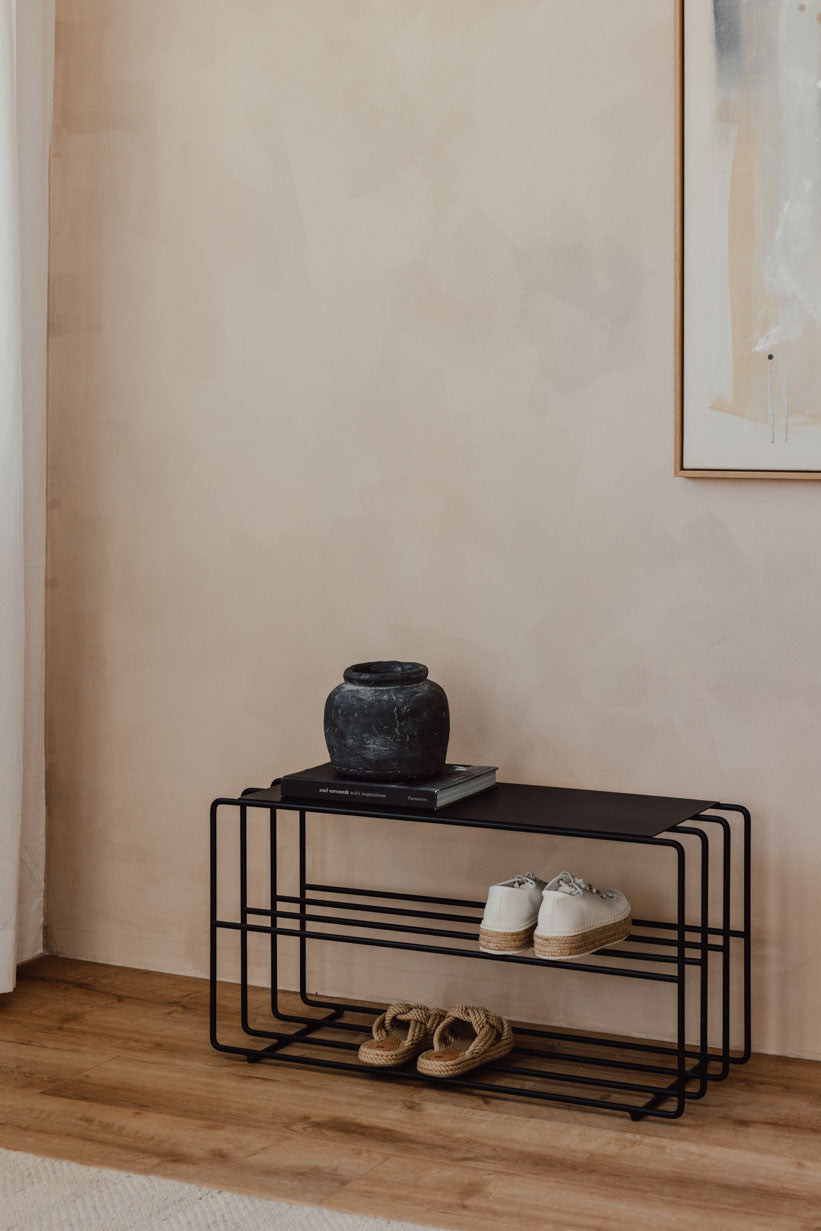
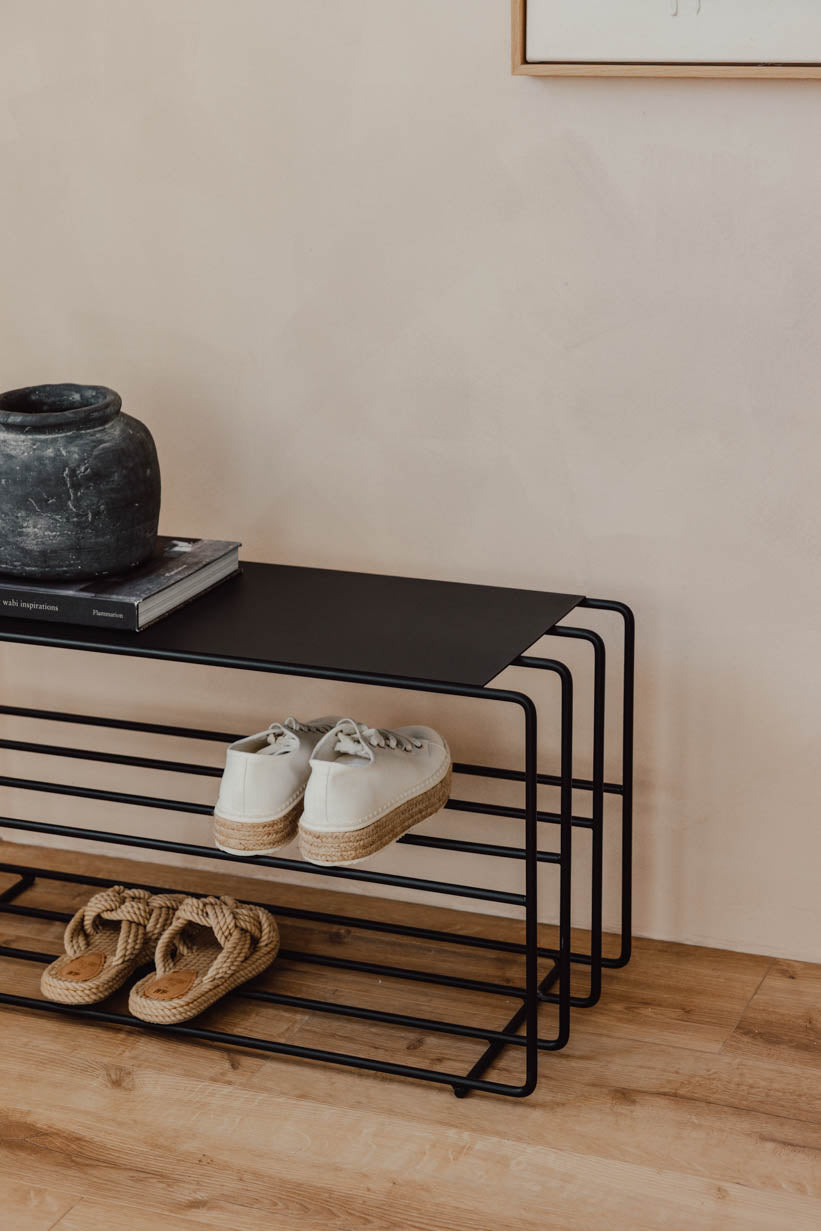
Scandi look with dark furniture
Wieso sind bunte Möbel aktuell wieder modern?